Player Training
How to Stay Motivated with Basketball Practice Goals: A Comprehensive Guide for Coaches
Discover proven strategies to keep your basketball and netball players motivated through effective goal setting, progressive drills, and mastery-oriented coaching techniques.
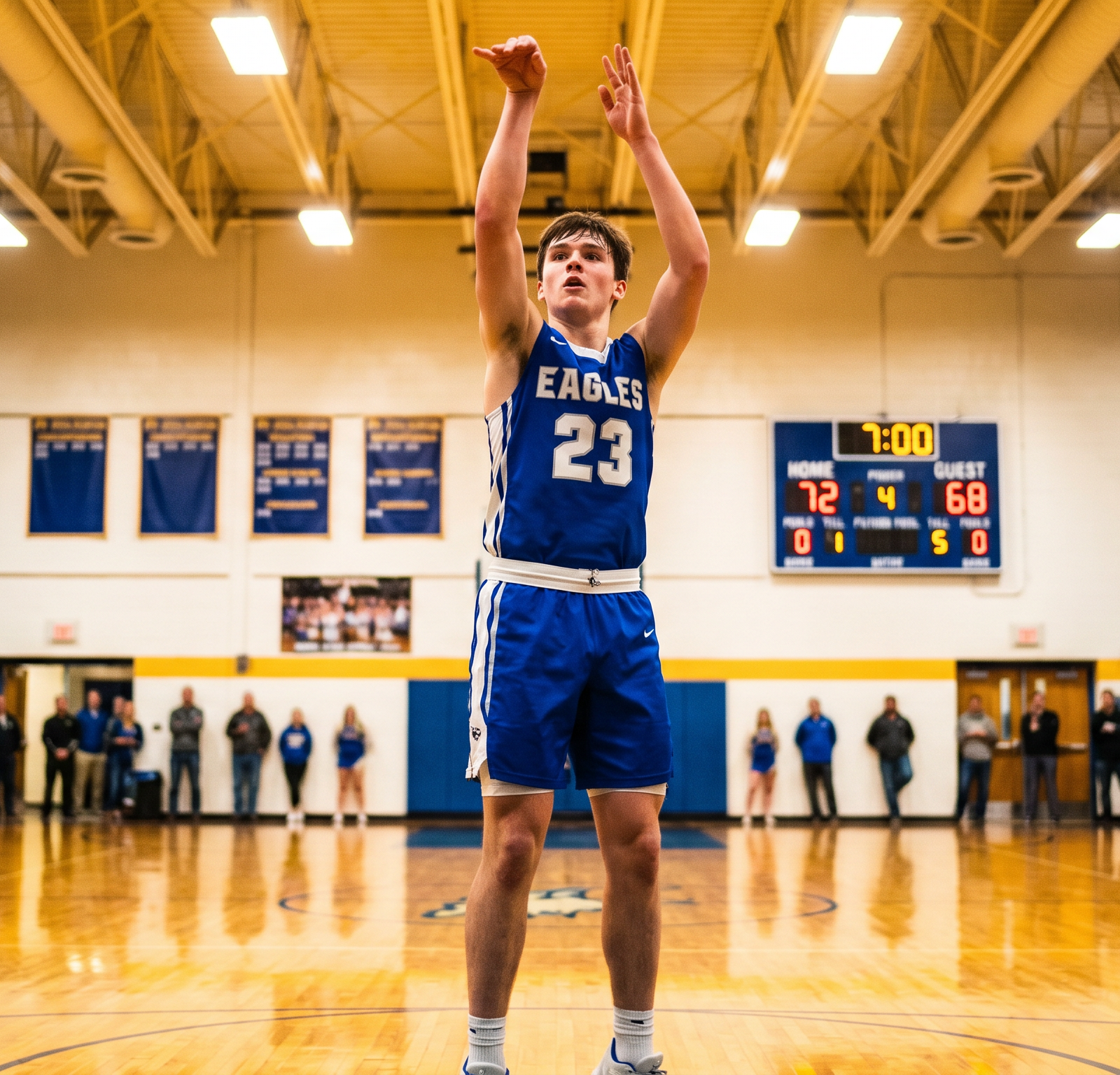
The Crucial Role of Motivation in Basketball Practice
Keeping young athletes engaged and motivated during practice is one of the greatest challenges a basketball or netball coach faces. While game days naturally provide adrenaline and excitement, the repetitive nature of practice can sometimes lead to stagnation. However, practice is where true skill development happens.
By implementing structured, goal-oriented practice plans, coaches can transform monotonous drills into engaging challenges. Research in sports psychology consistently shows that motivated players are more likely to stay engaged, persist through difficult tasks, and ultimately perform better in competitive situations.
This comprehensive guide explores the best practices for setting basketball practice goals, developing a positive motivational climate, and utilizing progressive drills to keep your team striving for excellence.
Understanding the Motivational Climate
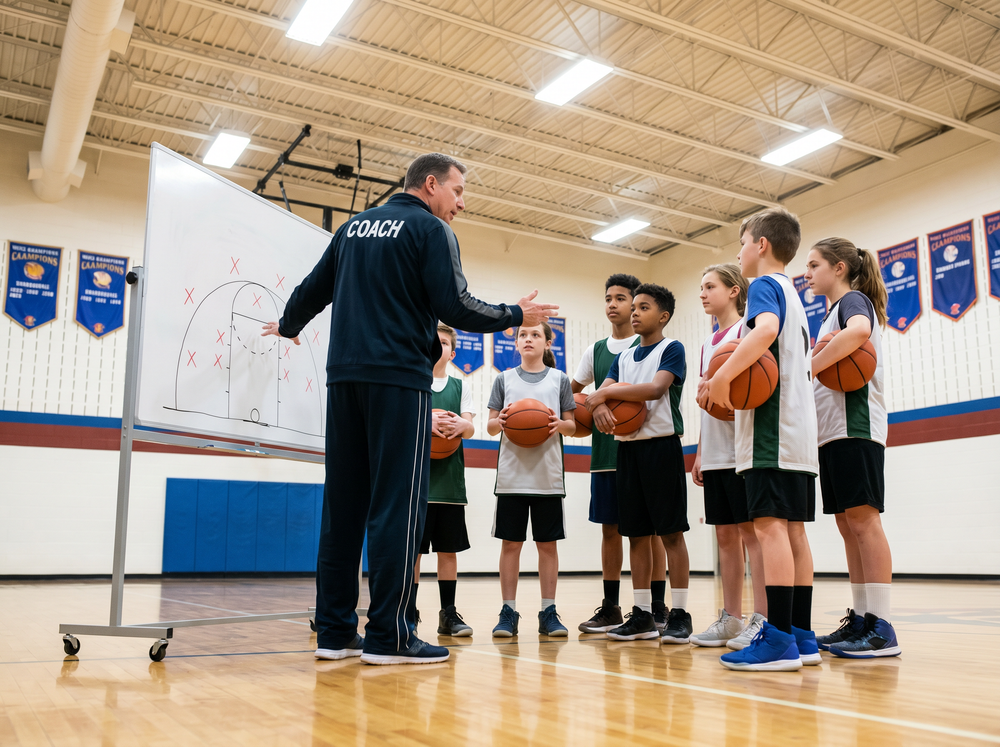
Before diving into specific drills, it is essential to understand the environment you are creating as a coach. The "motivational climate" refers to the psychological environment that a coach creates during practice and competition.
Mastery-Oriented vs. Performance-Oriented Climates
There are two primary types of motivational climates in youth sports:
- Mastery-Oriented Climate: In this environment, success is defined by personal improvement, skill development, and maximum effort. Players are encouraged to focus on their own progress rather than comparing themselves to others. This climate fosters intrinsic motivation, where athletes play for the love of the game and the satisfaction of mastering a skill.
- Performance-Oriented (Ego) Climate: Here, success is defined by outperforming others and winning. Mistakes are often punished, and players may develop a fear of failure, leading to anxiety and a decrease in long-term engagement.
Studies have shown that athletes trained in a mastery-oriented climate experience greater enjoyment, reduced anxiety, and higher levels of motor skill performance. They are more likely to select challenging tasks and persist in the face of setbacks.
Fostering a Mastery Climate
To develop a mastery-oriented climate, coaches should focus on the following:
- Reward Effort and Improvement: Praise players for trying hard and making progress, not just for scoring points or winning drills.
- Encourage Risk-Taking: Create an environment where mistakes are viewed as learning opportunities rather than failures.
- Provide Constructive Feedback: Offer specific, actionable feedback that helps players understand how to improve their technique.
The Power of Goal Setting in Practice
Goal setting is a fundamental psychological strategy that provides direction, focus, and motivation. When players have clear objectives, they are more likely to push themselves during practice.
The SMART Goal Framework
Effective goals should follow the SMART framework:
- Specific: Goals should be clear and well-defined (e.g., "Improve free-throw shooting form").
- Measurable: Goals must be quantifiable so progress can be tracked (e.g., "Make 8 out of 10 free throws").
- Achievable: Goals should be challenging but realistic based on the player's current skill level.
- Relevant: Goals must align with the player's overall development and the team's objectives.
- Time-bound: Goals need a deadline to create a sense of urgency (e.g., "Achieve this by the end of the month").
Types of Basketball Goals
Coaches should help players set a mix of different goal types:
- Process Goals: Focus on the specific actions or techniques required to perform a skill (e.g., "Keep my elbow tucked in when shooting"). These are entirely within the player's control.
- Performance Goals: Focus on achieving a specific personal standard (e.g., "Improve my vertical jump by two inches").
- Outcome Goals: Focus on the end result of a competition (e.g., "Win the regional championship"). While important, these are often outside the player's direct control.
For practice motivation, process and performance goals are the most effective because they provide immediate, actionable targets.
Designing Motivating Practice Activities
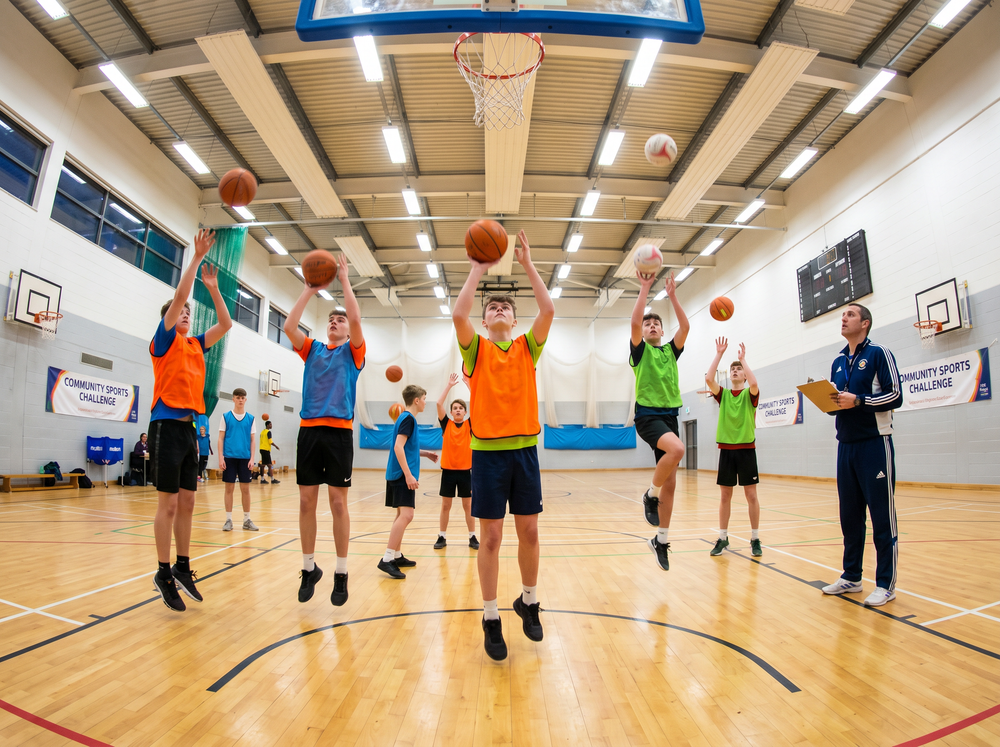
Once you understand the psychological principles, the next step is applying them to your practice design. The structure of your drills has a massive impact on player engagement.
The Importance of Progressive Drills
Progressive drills are structured exercises that gradually increase in complexity. They move athletes from foundational mechanics to live, game-speed scenarios. This approach is superior to static repetition because it applies the principle of progressive overload—the nervous system only adapts when the challenge increases.
Static drills, where players repeat the same motion without added difficulty or decision-making, quickly lead to boredom and poor skill transfer to actual games.
The Four Stages of Progressive Drills
Effective drill design typically follows four stages:
- Foundational Mechanics: Teaching the correct movement pattern with no time pressure or defense. The goal is to build the motor blueprint.
- Controlled Repetition: Repeating the skill at a moderate pace in a controlled environment to build habit and consistency.
- Reactive Drills: Introducing decision-making. The player must respond to a cue (e.g., a coach's call or a passer's timing) before executing the skill.
- Live Pressure Scenarios: Adding a live defender, a time constraint, or a scoring consequence to simulate game stakes. This stage bridges the gap between practice and game performance.
Practical Drills for Motivation and Goal Setting
Here are practical, progressive drills that incorporate goal-setting and motivation techniques:
Drill 1: "Beat the Pro" Shooting Challenge
This drill uses a scalable challenge point to keep players engaged while providing rapid competence feedback.
- Setup: Players choose a specific shooting spot (e.g., the elbow or the three-point line).
- Execution: The player shoots a set number of shots (e.g., 10 or 20). If they make the shot, they get 1 point. If they miss, the "Pro" (an imaginary opponent) gets 2 points.
- Goal: The player must beat the "Pro" to win the drill.
- Progression: To increase the difficulty, the "Pro" can receive 3 points for a missed shot, or the player must shoot off the dribble.
Drill 2: Progressive 1-on-1 Closeouts
This drill moves players through the stages of progression, adding live pressure to a fundamental skill.
- Stage 1 (Controlled): The offensive player starts with the ball at the top of the key. The defender starts under the basket, rolls the ball to the offensive player, and closes out. The offensive player takes a catch-and-shoot jumper with light, passive contest from the defender.
- Stage 2 (Reactive): The coach calls out "Shot" or "Drive." The offensive player must react instantly to the cue, and the defender must adjust their closeout accordingly.
- Stage 3 (Live Pressure): The defender passes the ball to the offensive player and closes out at full speed. It is a live 1-on-1 scenario with a maximum of three dribbles allowed.
- Goal: Set a performance goal for the offense (e.g., "Score 3 times out of 5 possessions") and the defense (e.g., "Force a contested jumper or a turnover").
Drill 3: Small-Sided Games (3v3 or 4v4)
Small-sided games provide autonomy and connection with teammates while offering a highly game-like environment.
- Setup: Divide the team into small groups of 3 or 4 players.
- Execution: Play short games (e.g., to 5 points or for 3 minutes) with specific constraints. For example, "You must complete three passes before shooting" or "Points scored off an assist count double."
- Goal: Focus on process goals related to the constraints (e.g., "Improve off-ball movement to create passing angles").
- Motivation: Small-sided games naturally increase engagement because every player gets more touches and more opportunities to make decisions compared to full 5v5 scrimmages.
Managing Your Team with Vanta Sports
Implementing these coaching strategies requires organization, communication, and the right tools. While you focus on developing a mastery climate and progressive drills on the court, managing the administrative side of your club or team can be overwhelming.
This is where Vanta Sports becomes an invaluable asset for basketball and netball organizations. Purpose-built for youth sports, Vanta provides a complete ecosystem to streamline your operations.
The Vanta Coach App
For volunteer and professional coaches alike, the Vanta Coach App is completely free and designed to make your life easier. You can use it to:
- Plan Sessions: Organize your progressive drills and practice plans directly in the app.
- Track Attendance: Quickly see who is showing up to practice, allowing you to tailor your drills to the players present.
- Communicate: Send updates and goal reminders to your team effortlessly.
The Vanta Player App
To truly implement the goal-setting strategies discussed in this article, players need a way to track their progress. The Vanta Player App empowers athletes to:
- Track Goals: Players can log their process and performance goals, keeping them accountable outside of practice hours.
- Monitor Achievements: Celebrate milestones and track improvements over the season.
- Stay Connected: Keep up with team events and schedules.
Comprehensive Club Management
For club administrators, Vanta Club offers a robust platform for registrations, integrated Stripe payments, and built-in safeguarding and compliance tools. Meanwhile, Vanta Guardian ensures parents stay informed about schedules and payments without adding extra administrative burden to the coaching staff.
By utilizing the modern, intuitive design of the Vanta Sports ecosystem, you can spend less time on paperwork and more time doing what you do best: coaching and motivating your players.
Conclusion
Staying motivated during basketball or netball practice requires intentional effort from the coaching staff. By fostering a mastery-oriented climate, utilizing the SMART goal framework, and designing progressive drills that challenge players appropriately, you can create an environment where athletes thrive.
Remember that motivation is not a one-time speech; it is a consistent practice of providing clear goals, rapid feedback, and celebrating improvement.
Ready to Take Your Training to the Next Level?
Track your shots and level up with the Vanta Player App. Learn more about Vanta Sports
Tags