Team Strategies
Mastering Zone Defense for Youth Basketball & Netball
Learn proven zone defense formations, practical drills, and coaching strategies to elevate your youth basketball or netball team's defensive game.
Mastering the Zone: A Coach's Guide to Youth Team Defense
The Art and Science of Zone Defense for Young Athletes
Building a cohesive, effective defense is one of the most rewarding challenges for any youth basketball or netball coach. While man-to-man defense is often lauded as the gold standard for developing individual skills, a well-executed zone defense can be a powerful strategic tool to stymie opponents, control the game's tempo, and empower your players to work as a unified force. This comprehensive guide will delve into the world of zone defense, offering practical advice, proven formations, and actionable drills for both basketball and netball coaches looking to elevate their team's defensive prowess.
Understanding Zone Defense: The Core Principles
At its heart, zone defense is a system where players are responsible for guarding a specific area of the court rather than a single opponent. This shift in focus from individual assignments to collective responsibility requires a high level of communication, anticipation, and synchronized movement. When executed correctly, a zone defense can feel like a living, breathing organism, constantly shifting and adapting to the flow of the offense.
However, the use of zone defense with young players is a topic of much debate. Critics argue that it can lead to lazy habits and hinder the development of fundamental one-on-one defensive skills. Proponents, on the other hand, contend that it teaches valuable lessons in teamwork, spatial awareness, and game intelligence. The key, as with any coaching strategy, lies in a balanced approach. Zone defense should be a tool in your coaching arsenal, not a crutch. It's most effective when used as a change-of-pace defense to disrupt your opponent's rhythm and create turnovers.
Zone Defense in Youth Basketball: The 2-3 Formation
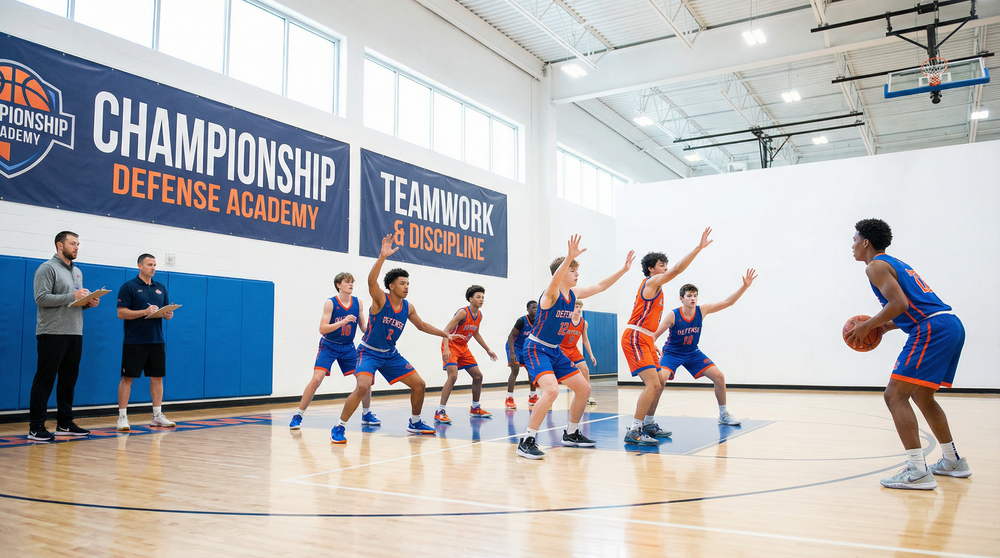
For youth basketball teams, the 2-3 zone is the most common and often the most effective formation to teach. Its structure is simple to understand, yet it provides a formidable barrier to the paint, forcing opponents to settle for outside shots.
The 2-3 Zone Explained
The 2-3 zone consists of two players at the top of the key (guards) and three players along the baseline (two forwards and a center). Each player has a specific area of responsibility:
- Guards (Top): The two guards are responsible for the top of the key and the wings. They must be quick and agile, able to close out on shooters and prevent dribble penetration.
- Forwards (Baseline): The two forwards guard the low blocks and the corners. They need to be strong rebounders and able to defend both post players and perimeter shooters.
- Center (Middle): The center is the anchor of the defense, protecting the basket and communicating with the other players. They must be a vocal leader and a strong presence in the paint.
Coaching the 2-3 Zone: Key Principles
To make your 2-3 zone effective, emphasize these four crucial rules:
- Active Hands and Stance: Players must maintain a low, athletic stance with their hands up and active at all times to deflect passes and discourage dribble penetration.
- Move on the Flight of the Ball: The entire zone should shift as a unit as the ball is passed. Players should anticipate the pass and be in position before the offensive player catches the ball.
- Constant Communication: Communication is the glue that holds a zone defense together. Players must talk to each other, calling out cutters, screens, and ball location.
- No Layups: The primary goal of the 2-3 zone is to protect the paint. Players must be aggressive in challenging shots at the rim and preventing easy baskets.
Zone Defense in Youth Netball: A Developmental Approach
In netball, the introduction of zone defense is a more nuanced process. Due to the game's specific rules and the advanced level of teamwork required, most netball organizations recommend teaching zone concepts to players aged 17 and older. However, younger players can still benefit from learning the foundational principles of zone defense through a progressive approach.
Building the Foundation for a Netball Zone
Before introducing a full zone defense, focus on developing these essential skills:
- One-on-One Defense: Players must first master the fundamentals of individual defense, including footwork, body positioning, and challenging for the ball.
- Teamwork and Communication: Drills that encourage players to communicate and work together in pairs or small groups will lay the groundwork for a cohesive zone.
- Intercepting Skills: Teach players how to read the play, anticipate passes, and position themselves to create turnovers.
Introducing Zone Concepts in Netball
Once your players have a solid foundation, you can begin to introduce simple zone concepts, such as the "box" or "wall" defense. These formations involve four players working together to create a defensive barrier, forcing the attacking team to make risky passes over the top. The key is to start with a clear and simple structure, gradually adding complexity as your players' understanding grows.
Practical Drills for Building a Zone Defense
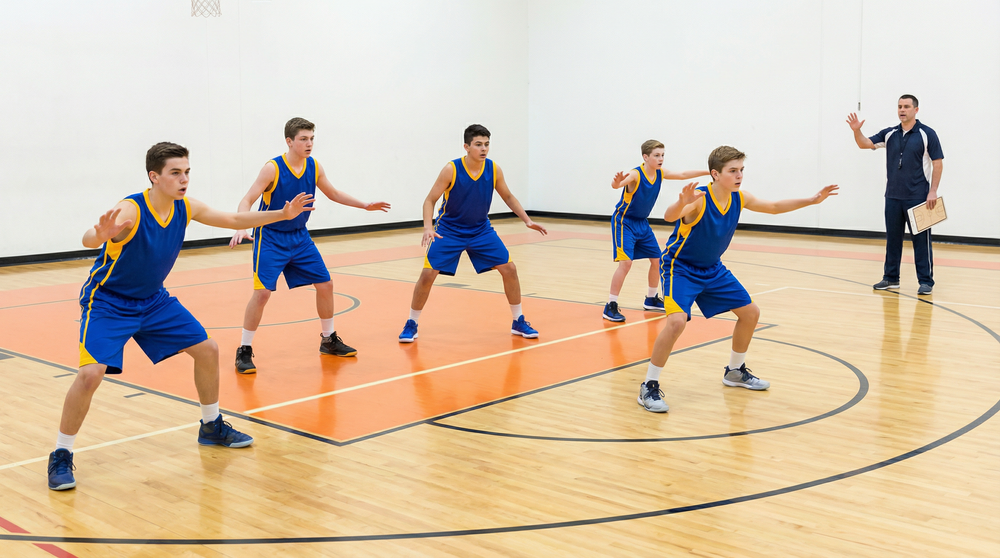
Here are three practical drills you can use to teach the principles of zone defense to your youth basketball or netball team:
Drill 1: Stance and Slides (Individual Skill)
This foundational drill is essential for both sports. Have your players line up in a defensive stance and practice sliding laterally across the court while keeping their hands up and active. This drill builds the muscle memory and endurance needed to maintain a strong defensive position throughout a game.
Drill 2: Triangle Deflection (Anticipation)
Set up three offensive players in a triangle formation with one defender in the middle. The offensive players pass the ball around the triangle while the defender tries to anticipate the pass and get a deflection. This drill teaches players to read the passer's eyes and body language, a crucial skill for any zone defense.
Drill 3: 2-3 Zone Shell Drill (Basketball)
This 5-on-5 drill is perfect for teaching the rotations of a 2-3 zone. Have your five defenders set up in a 2-3 zone while five offensive players pass the ball around the perimeter. The defenders must move on the flight of the ball, communicating with each other to ensure all areas of the court are covered. Start with no dribbling and gradually add more offensive freedom as your defenders become more comfortable.
Actionable Takeaways for Coaches
- Be Patient: Teaching a zone defense takes time and repetition. Don't get discouraged if your players don't get it right away.
- Start with the Basics: Focus on the fundamental principles of communication, movement, and positioning before introducing complex formations.
- Use it Strategically: Zone defense is most effective when used as a change-of-pace defense to disrupt your opponent's rhythm.
- Make it Fun: Use drills and games to keep your players engaged and motivated to learn.
By following the principles and drills outlined in this guide, you can empower your youth basketball or netball team with the skills and knowledge to execute a formidable zone defense. Remember, the goal is not just to win games, but to develop well-rounded, intelligent players who understand the value of teamwork and communication.
References
Tags