Defensive Heading and Clearing Drill: Securing the Danger Zone
Master the art of defensive headers, spatial awareness, and second-ball recovery to secure your penalty area against crosses.
Equipment Needed
1. Overview
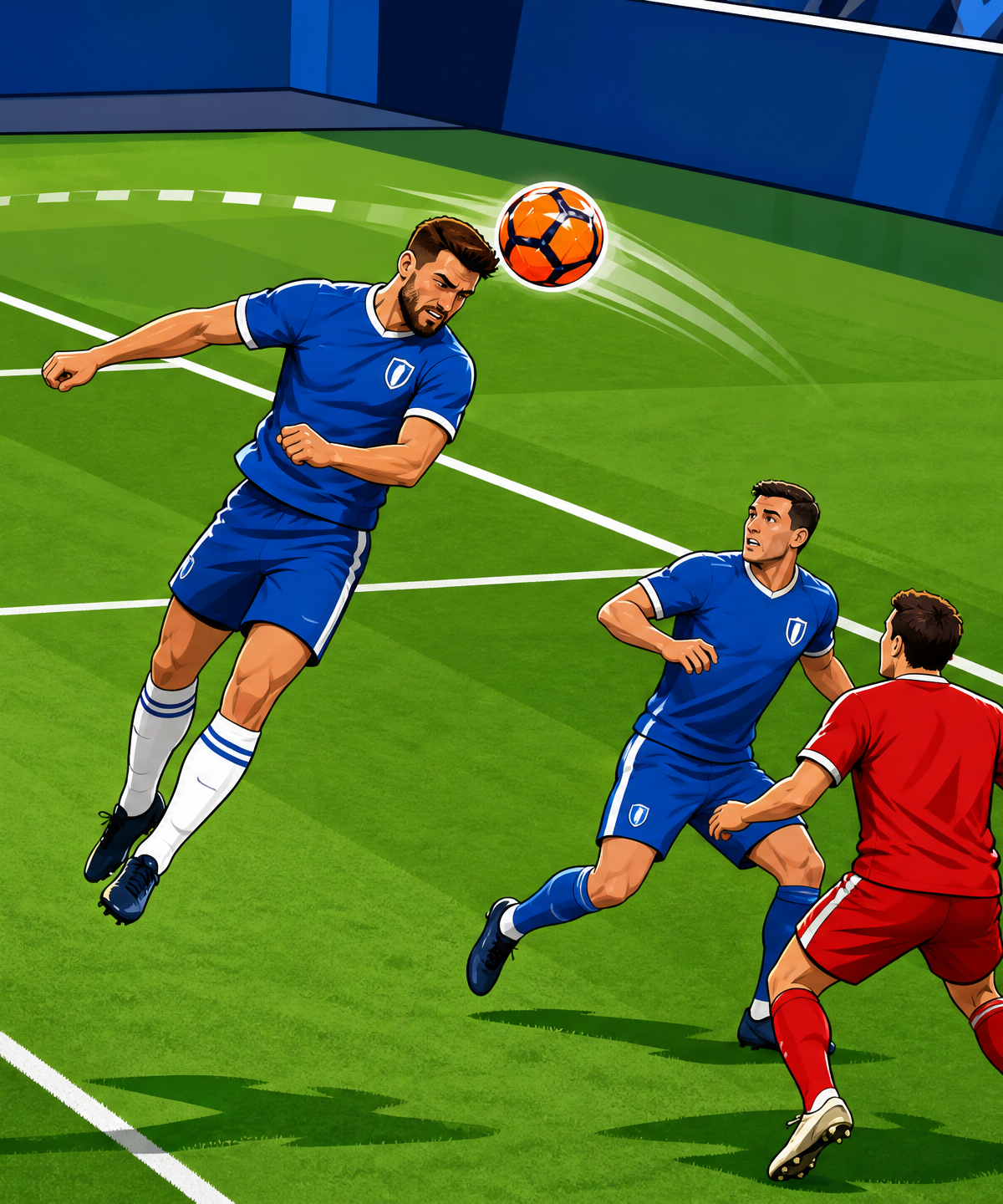
Defending crosses is one of the most critical aspects of football. A successful clearance not only nullifies an immediate threat but can also launch a counter-attack. This drill is designed to improve defensive heading technique, positional awareness within the penalty area, and the crucial transition to winning the "second ball."
Coaches should use this drill when their team is struggling to deal with wide deliveries, conceding goals from set-pieces, or failing to push up effectively after a clearance. It trains defenders to attack the ball aggressively while maintaining a cohesive defensive line.
2. Setup
To run this drill effectively, you will need the following setup on a standard football pitch (100-110m x 64-75m):
- Area: One half of a standard pitch (from the halfway line to the goal).
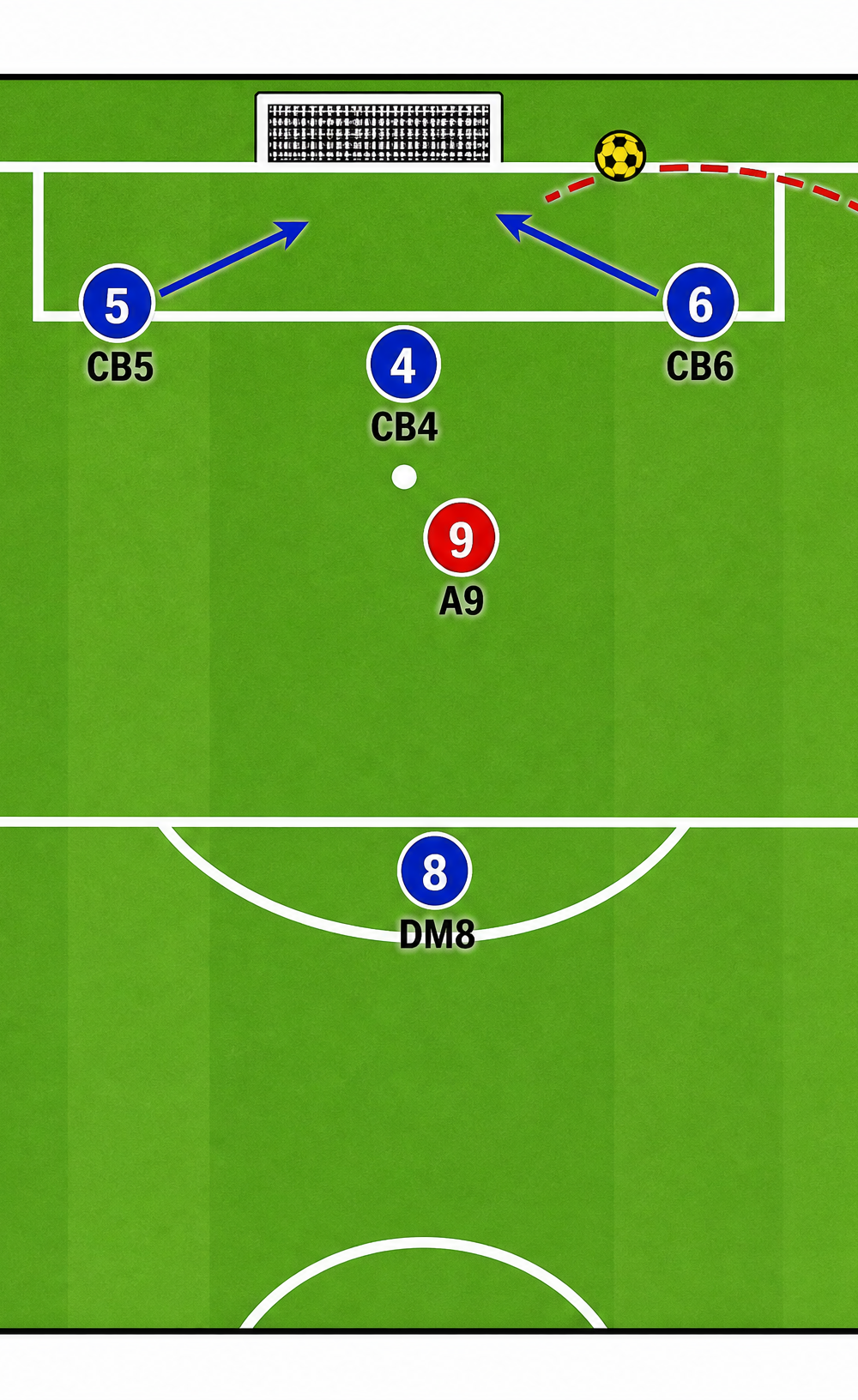
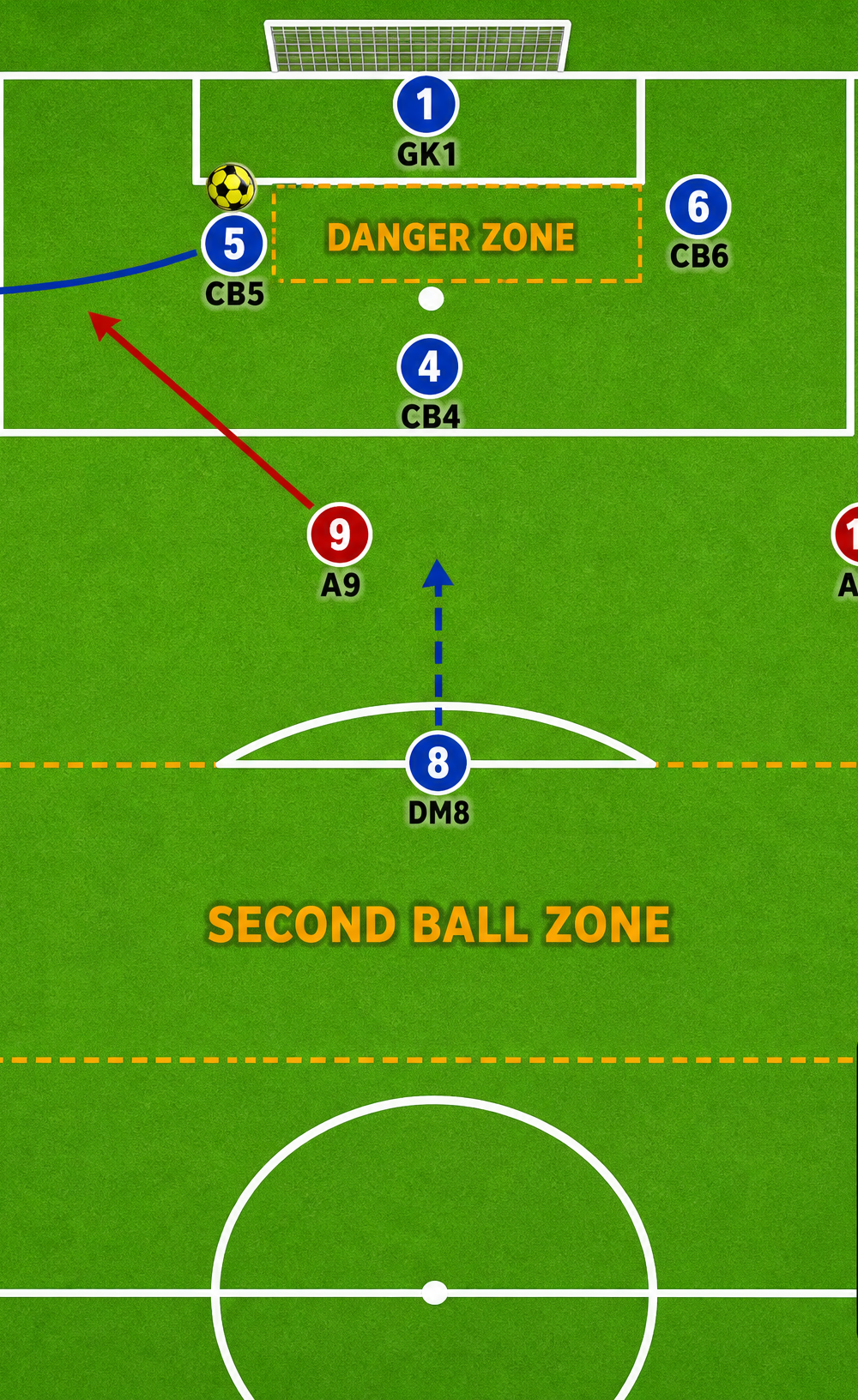
- Players: 12-14 players. This includes 1 Goalkeeper (GK1), a back four (RB2, CB4, CB5, CB6), a defensive midfielder (DM8), 3-4 attackers (A9, A10, A11), and 2 wide servers/wingers (W7 on the right, W11 on the left).
- Equipment: 1 full-size goal, a large supply of footballs (at least 10-15 placed with the wide servers), cones to mark starting positions and the "second ball" zone, and bibs to differentiate attackers from defenders.
Initial Positions
The defensive line sets up inside the penalty area. The servers are positioned on the flanks, outside the penalty area, ready to deliver crosses. Attackers are positioned centrally, ready to challenge for the ball.
3. Step-by-Step Instructions
Follow these steps to execute the drill:
- The Delivery: The drill begins with a server (e.g., W7 on the right flank) delivering a cross into the penalty area. The server should vary the type of cross (driven, lofted, near post, far post).
- The Attack: As the ball is struck, the attackers (A9, A10, A11) make dynamic runs into the box, attempting to get on the end of the cross and score.
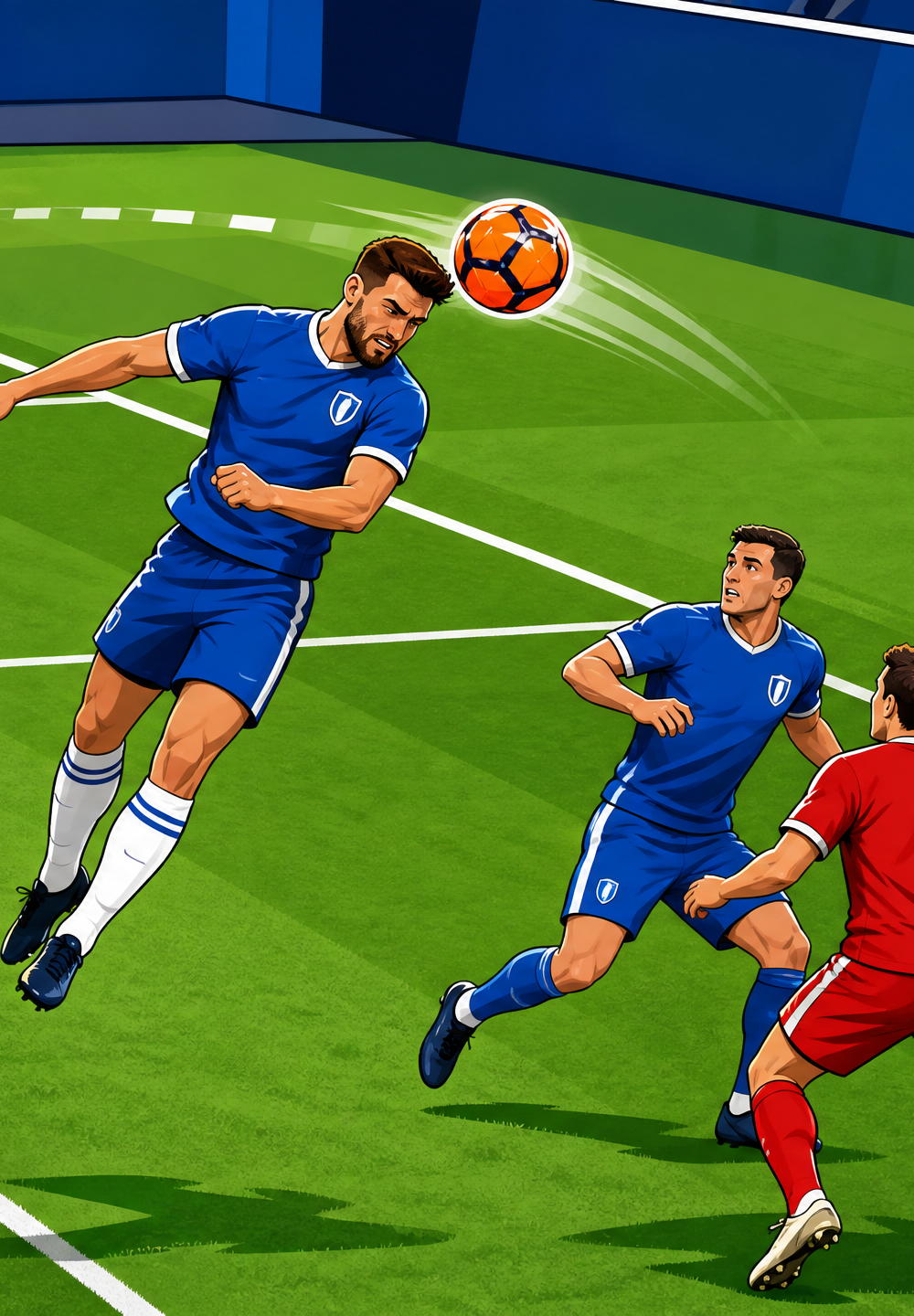
- The Defensive Header: The defenders (CB4, CB5, CB6, RB2, LB3) must track the flight of the ball, communicate early, and attack the ball aggressively. The primary goal is to achieve a powerful, directional defensive header—aiming high, wide, and far away from the goal.
- The Clearance: The defender who wins the header must ensure the ball is cleared out of the "Danger Zone" (the area immediately in front of the goal).
- The Second Phase (Pushing Up): As soon as the ball is cleared, the entire defensive unit must quickly push up together, moving away from the goal to squeeze the space and catch any remaining attackers offside.
- Winning the Second Ball: The defensive midfielder (DM8) and the clearing defenders must react immediately to the clearance, aggressively challenging to win the "second ball" in the designated zone outside the penalty area.
4. Key Coaching Points
To maximize the effectiveness of this drill, focus on these critical coaching points:
- Attack the Ball: Defenders must not wait for the ball to come to them. They must attack the ball at its highest point, showing aggression and determination to win the aerial duel.
- Directional Heading: A defensive header must have height and distance, aiming wide of the penalty area rather than straight back down the middle. "High, wide, and handsome."
- Communication: Early, loud, and clear communication is vital. The goalkeeper or a dominant center-back must call for the ball ("Keeper's!" or "Away!") to avoid collisions and confusion.
- Body Shape and Positioning: Defenders should adopt an open body shape, allowing them to see both the ball and their designated attacker. They must constantly adjust their feet to stay balanced and ready to spring.
- Quick Transition (Pushing Up): The drill is not over when the ball is headed. The immediate transition to push up as a cohesive unit is crucial to clear the danger zone and win the second ball.
5. Common Mistakes
Watch out for these common errors and correct them immediately:
- Ball Watching: Defenders fixating entirely on the ball and losing track of the attackers' runs behind them.
- Heading Down the Middle: Clearing the ball weakly or directly back into the central "Danger Zone," providing an easy opportunity for an attacking volley or shot.
- Lack of Communication: Two defenders challenging for the same ball, leading to collisions or a weak clearance.
- Flat-Footed Defending: Defenders remaining static and waiting for the ball to drop, allowing attackers to gain momentum and win the header.
- Failing to Push Up: The defensive line remaining deep after a clearance, inviting sustained pressure and playing attackers onside.
6. Variations & Progressions
To keep the drill challenging and relevant, introduce these variations:
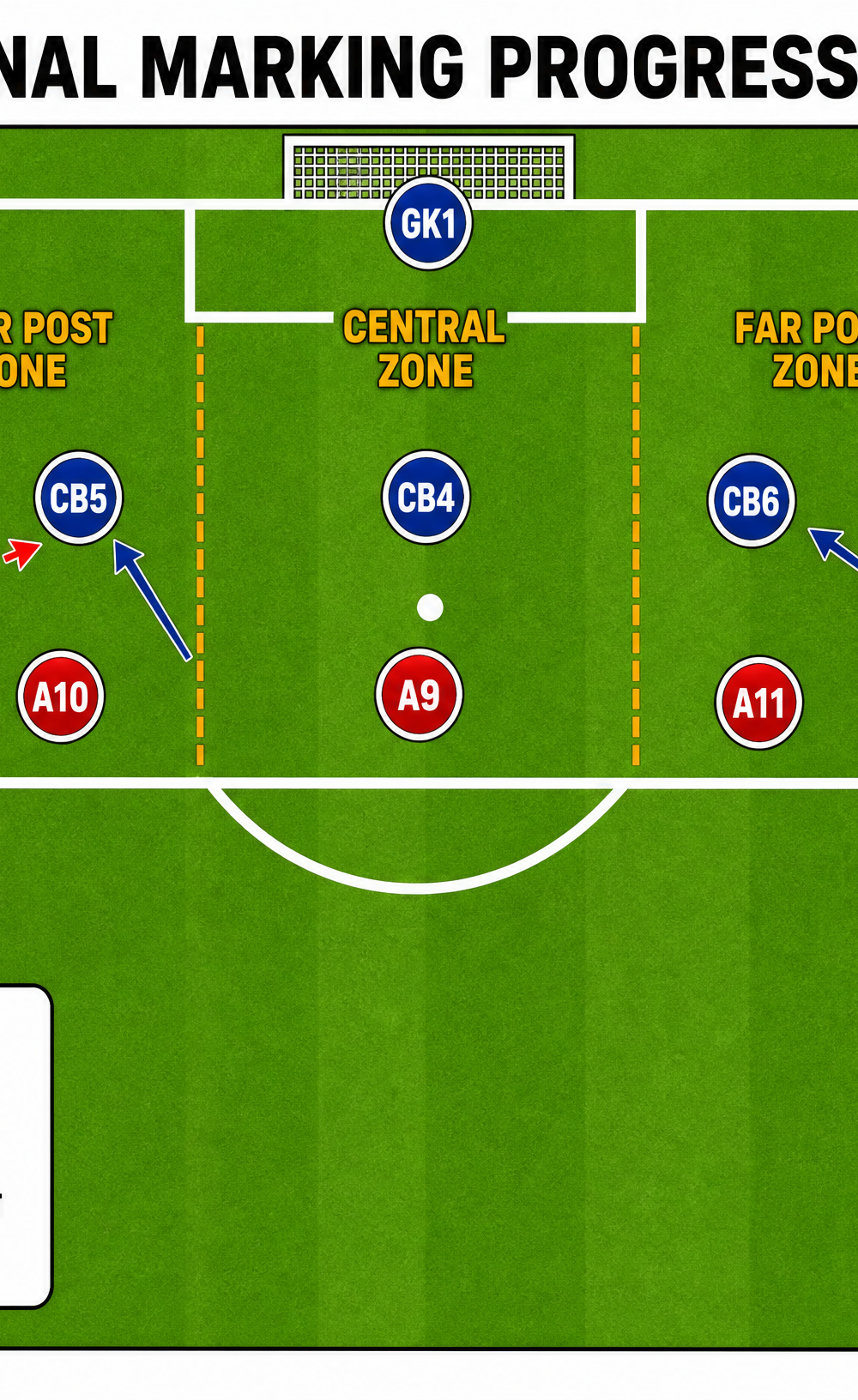
- Zonal Marking Focus: Divide the penalty area into specific zones (Near Post, Central, Far Post). Assign specific defenders to each zone and have servers deliver balls simultaneously or in rapid succession to test zonal discipline.
- Adding Transition to Attack: Once the second ball is won by the defending team (e.g., DM8), require them to complete three quick passes or play a specific target ball to simulate a counter-attack.
- Overload the Attack: Increase the number of attackers in the box (e.g., 5 attackers vs. 4 defenders) to increase the pressure and force better communication and decision-making.
7. Age Adaptations
Modify the drill based on the age and skill level of your players:
- Under 8 - Under 10: Focus heavily on basic heading technique (using the forehead, keeping eyes open, attacking the ball). Use softer, lighter balls (like volleyballs or foam balls) to build confidence and prevent injury. Reduce the distance of the crosses. Do not focus heavily on complex tactical movements.
- Under 12 - Under 14: Introduce standard footballs but keep the crosses manageable. Begin emphasizing directional heading (aiming wide) and basic communication. Introduce the concept of the "second ball" but keep the transition phase simple.
- Under 16 - Open: Run the drill at full match intensity. Demand aggressive, powerful headers, perfect communication, and rapid, cohesive movement to push up and secure the second ball. Introduce complex variations like zonal marking and transition to attack.