Sports Parent
Best Apps for Managing Your Child's Sports Schedule: A Complete Guide for Basketball and Netball Coaches
Discover how purpose-built technology like Vanta Sports can transform the way coaches, parents, and players manage youth basketball and netball schedules — plus five practical drills you can use at your next training session.
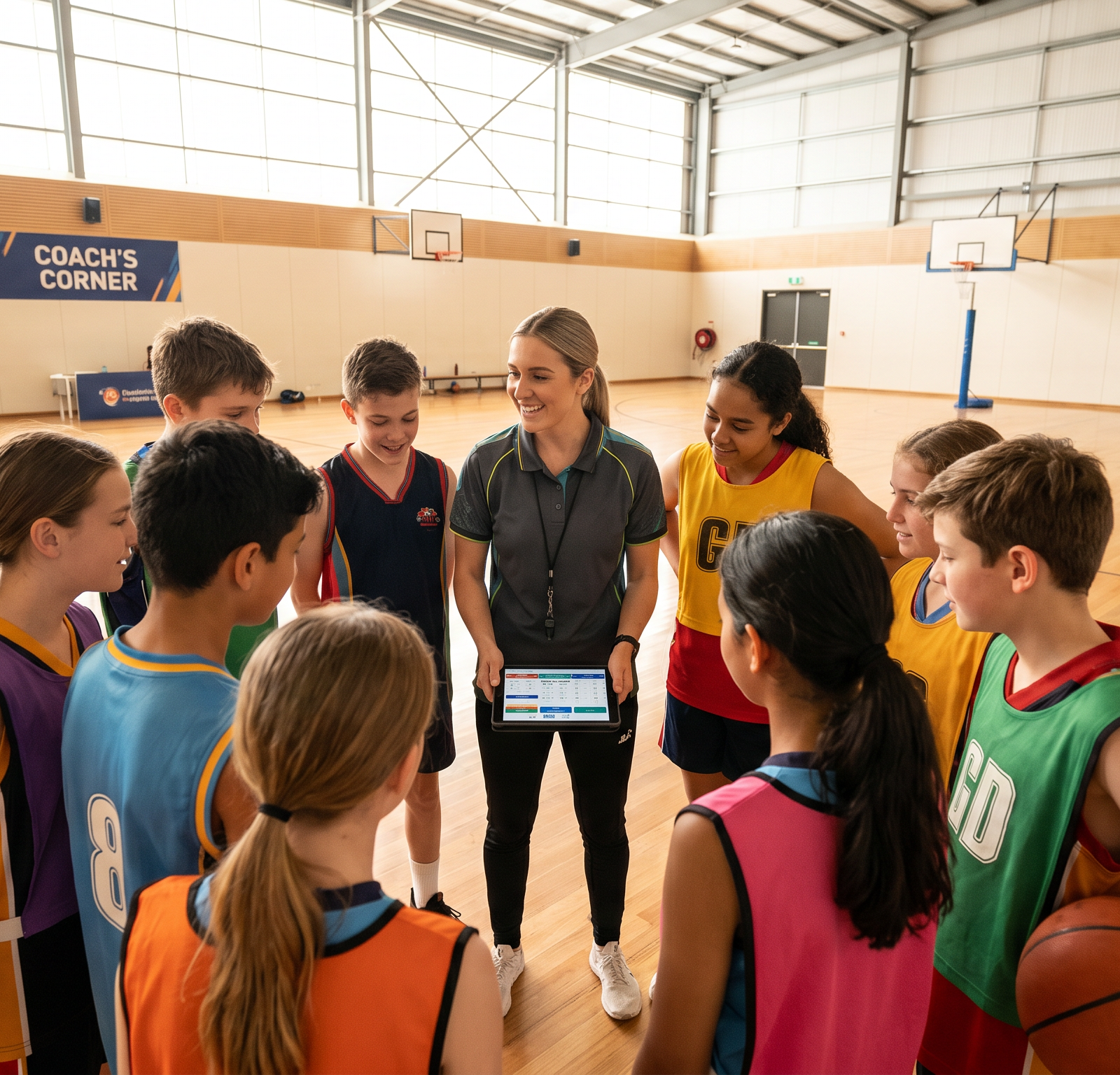
The Modern Coach's Guide to Mastering the Youth Sports Schedule
Managing a youth sports team is more than just running drills and calling plays. For basketball and netball coaches, a significant portion of the job involves logistics: coordinating schedules, tracking attendance, communicating with parents, and ensuring everyone is on the same page before the first whistle blows. In today's fast-paced world, where parents are juggling multiple commitments and children are participating in more extracurricular activities than ever before, effective communication and schedule management have become paramount to a successful season.
This comprehensive guide explores the real-world challenges of managing youth sports schedules, provides actionable coaching tips and practical drills you can implement immediately, and highlights how the right technology can fundamentally transform your coaching experience — freeing you to focus on what matters most: developing young athletes.
The Scheduling Challenge: Why Coaches and Parents Struggle
The landscape of youth sports has evolved significantly over the past decade. Recent research from the Aspen Institute's Project Play initiative highlights that youth sports participation is rebounding strongly post-pandemic, with more children than ever involved in organised team sports. However, this growth brings with it a corresponding increase in logistical complexity for families and coaches alike.
Parents today often cite schedule management and communication breakdowns as their top stressors when navigating their children's extracurricular activities. For families with multiple children playing different sports, the weekly calendar can quickly become a chaotic puzzle of overlapping practices, games, and tournaments. Working parents in particular face the challenge of coordinating carpools, managing last-minute schedule changes, and staying informed about their child's development — all while managing their own professional and personal commitments.
Coaches face a parallel and equally frustrating challenge. Relying on outdated methods like group texts, email chains, or paper schedules invariably leads to miscommunication, late arrivals, and the dreaded "I didn't know we had practice" message that arrives ten minutes after the session was supposed to start. This logistical friction not only causes frustration for everyone involved but also cuts directly into valuable practice time. When a coach spends the first fifteen minutes of a session sorting out who is absent and why, player development suffers — and so does team morale.
The solution lies in moving beyond fragmented, generic tools and embracing technology that is purpose-built for the unique demands of youth sports management.
Embracing Technology: The Vanta Sports Ecosystem
To overcome these logistical hurdles, modern coaches are turning to purpose-built technology. While generic calendar apps or basic group messaging tools offer a temporary fix, they lack the specific features required for effective sports management — features like attendance tracking, integrated payments, safeguarding compliance, and player development tools.
This is where a dedicated platform like Vanta Sports becomes truly invaluable. Vanta Sports offers a complete ecosystem designed specifically for the unique needs of youth basketball and netball, providing specialised apps for every stakeholder in the youth sports journey.
| App | Who It's For | Key Features |
|---|---|---|
| Vanta Club | Club administrators | Registrations, integrated Stripe payments, safeguarding and compliance tools |
| Vanta Coach App | Coaches (free for volunteers) | Session planning, attendance tracking, direct parent and player communication |
| Vanta Guardian | Parents and guardians | Schedule management, payment tracking, centralised team communications |
| Vanta Player App | Players | Goal tracking, achievement monitoring, team event visibility |
What distinguishes Vanta Sports from generic solutions is that it was built from the ground up with youth basketball and netball in mind. The Vanta Coach App is offered completely free for volunteer coaches — a significant advantage given that the vast majority of youth sports coaches are unpaid volunteers who should not have to invest in expensive software to do their job effectively. The Vanta Guardian app empowers parents with a single, intuitive hub for all team information, eliminating the need to search through email threads or scroll back through group chats to find the practice time. And the Vanta Player App brings the athletes themselves into the loop, giving young players a sense of ownership over their own development journey.
By utilising the Vanta Sports ecosystem, coaches can eliminate the administrative noise that plagues so many youth sports programs and redirect their energy toward what they are actually there to do: coach.
Practical Drills for Basketball and Netball Coaches
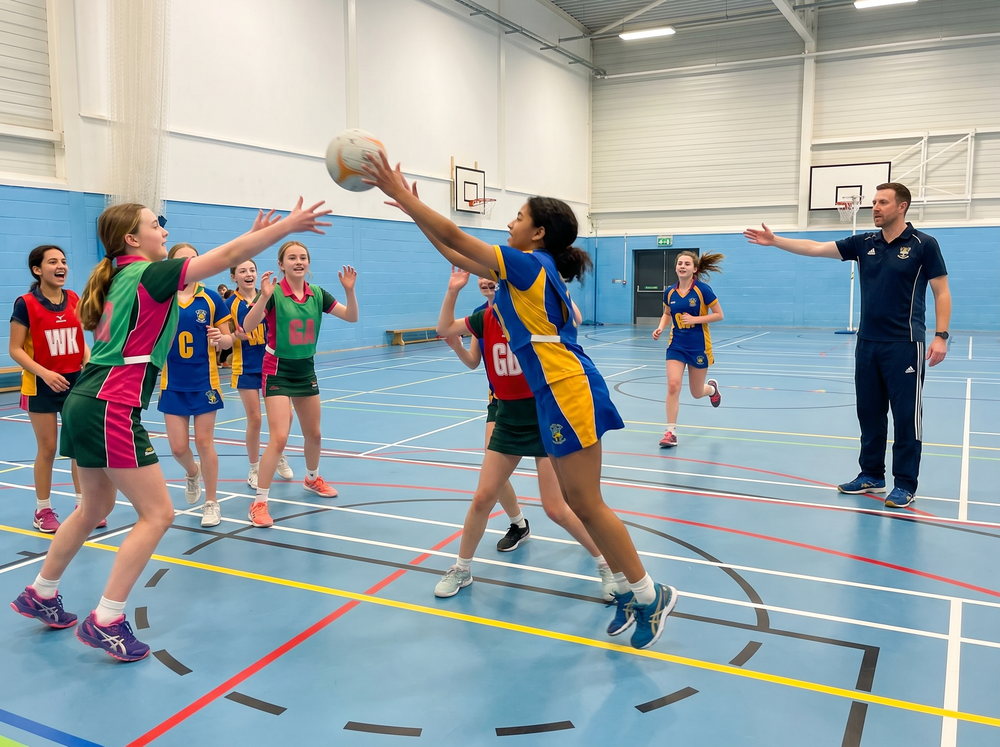
With the logistics handled efficiently, coaches can dedicate their mental energy to planning effective and engaging practice sessions. The following drills are designed for youth basketball and netball players at the beginner to intermediate level and can be incorporated into your next session immediately.
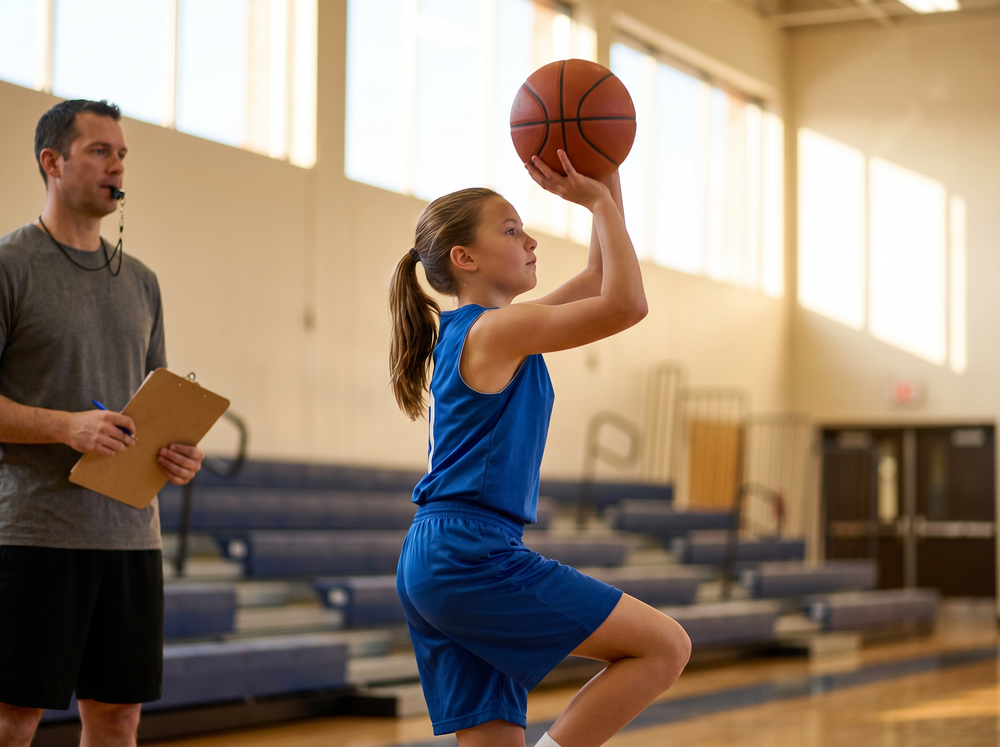
Basketball Drill 1: The B.E.E.F. Shooting Progression
Developing proper shooting form is the single most important technical skill for young basketball players, and the B.E.E.F. acronym is a time-tested method for teaching the fundamentals in a memorable way.
Balance requires players to stand with feet shoulder-width apart, knees slightly bent, and feet pointing toward the basket to create a stable, repeatable base. Eyes means fixing the gaze on a specific target — typically the back of the rim — and maintaining that focus throughout the entire shooting motion. Elbow refers to tucking the shooting elbow in and aligning it directly under the basketball, forming a clean "L" shape. Follow Through is the finishing touch: as the player releases the ball, they extend the arm fully and snap the wrist downward, as if reaching into a cookie jar on a high shelf.
Coaching Tip: Always begin this drill without a basketball. Have players practise the full motion and internalise the mechanics before introducing the ball. Once they are comfortable, start them very close to the basket — no more than two metres — and only increase the distance when their form is consistently correct.
Netball Drill 1: The "Ice Cream" Stepping Game
Stepping violations are among the most common errors for beginner netball players, and correcting them requires both technical understanding and physical habit formation. The "Ice Cream" game addresses both in a fun, low-pressure format.
Have all players line up along the baseline and instruct them to run forward at a moderate pace. When you blow the whistle, they must perform a low jump — as if jumping over a small puddle. As they land on their first foot with knees slightly bent, they call out "ICE!" As the back foot comes down, they call out "CREAM!" while pivoting on the grounded foot. The verbal cue reinforces the rule that the first foot to land must remain grounded, while the second foot is free to pivot.
Coaching Tip: Emphasise a balanced, controlled landing. Players who are off-balance when they call "ICE" are far more likely to step. Slow the drill down initially and only increase the pace once the landing mechanics are solid.
Basketball Drill 2: Partner Passing and Reaction
This drill simultaneously improves passing accuracy, hand-eye coordination, and reaction time — three skills that are essential on both offense and defense at every level of the game.
Pair players up and have them stand approximately three to four metres apart. One player has the basketball. The player without the ball starts with their hands down by their sides. The player with the ball executes a crisp chest pass, and the receiving player cannot move their hands to catch the ball until the pass is already in the air. As players become comfortable, introduce bounce passes and overhead passes, and gradually increase the distance between partners.
Coaching Tip: The quality of the pass determines the quality of the drill. Encourage passers to aim for the receiver's chest and use a sharp, two-handed release. A sloppy pass will make the reaction element of the drill ineffective.
Netball Drill 2: "Jailbreak" Footwork
Agility and rapid directional changes are central to effective netball movement, and the "Jailbreak" drill develops these qualities in a competitive, high-energy format that players genuinely enjoy.
Create two concentric circles of players within a roughly nine-metre radius. The inner circle should have fewer players than the outer circle. Instruct the inner circle to jog clockwise while the outer circle jogs counter-clockwise. When you call "JAILBREAK!", the players in the inner circle must attempt to escape through the outer circle without making physical contact. Award points to the inner circle for each successful escape.
Coaching Tip: Ensure the circles are appropriately sized for your group. Too tight and the drill becomes unsafe; too wide and it loses its competitive tension. Rotate players between the inner and outer circles regularly to keep everyone engaged.
Bonus Drill: Netball Circle Defence
This drill builds defensive awareness and communication skills simultaneously. Seven or more players form a circle and two teammates stand in the middle. The players in the circle pass the ball to each other, calling out the name of the intended recipient before each pass. The two players in the middle attempt to intercept the ball. When an interception is made, the player who threw the intercepted pass swaps places with the interceptor.
Coaching Tip: The name-calling element is critical — it develops the communication habits that are essential in match play and helps players develop spatial awareness of their teammates' positions.
Structuring Your Practice for Maximum Engagement
Having excellent drills is only half the equation; how you structure your practice session determines its overall effectiveness. A well-planned session maximises active participation time and minimises standing around, which is particularly important for younger players whose attention spans are shorter.
A recommended structure for a 60-75 minute youth session begins with a warm-up of 10-15 minutes, incorporating dynamic stretching and a fun game like the "Ice Cream" drill to set a positive, energetic tone. This is followed by skill development for 20-30 minutes, focusing on one or two specific techniques using progressive drills that start simple and build in complexity. The middle portion of the session should transition to game-like scenarios for 15-20 minutes, using small-sided games such as 3v3 basketball or 4v4 netball to allow players to apply newly practised skills in a dynamic, competitive environment. A short conditioning block of 5-10 minutes builds physical endurance and mental resilience, and the session closes with a cool-down and team review of 5 minutes featuring static stretching and a brief discussion of what was learned.
Actionable Advice: Use the Vanta Coach App to create and save your practice plans before each session. This allows you to reference your plan during practice, share it with assistant coaches, and build a library of sessions that you can adapt and reuse across the season.
The Power of Proactive Communication
Effective communication with parents is just as important as the coaching itself. When parents feel consistently informed and genuinely involved, they are far more likely to be supportive, cooperative, and positive on the sideline — all of which creates a better environment for the players.
The most effective coaches establish clear expectations at the very beginning of the season. A brief parent meeting before the first session to discuss your coaching philosophy, attendance expectations, and communication protocols sets the tone for the entire year. From that point, the key is consistency: designate a single primary communication channel, commit to proactive updates rather than reactive responses, and keep messages concise and relevant.
The Vanta Guardian app makes this process significantly easier for both coaches and parents. Parents have a centralised location for all team information — schedules, payment reminders, session updates, and direct messages from the coach — without having to search through email threads or scroll through group chats. This proactive, organised approach reduces confusion, minimises the volume of individual queries coaches receive, and builds the trust between coaching staff and families that is the foundation of a successful club culture.
Conclusion: Elevating the Youth Sports Experience
Managing a youth sports team requires a careful balance of on-court coaching excellence and off-court administrative efficiency. By implementing structured practice plans, utilising evidence-based drills, and prioritising clear and consistent communication, coaches at every level of experience can create a positive, productive environment in which young athletes genuinely thrive.
The true key to sustainable coaching success in the modern era, however, lies in leveraging technology that was built for this specific purpose. The Vanta Sports ecosystem provides a comprehensive, integrated solution that addresses the real needs of clubs, coaches, parents, and players — not as an afterthought, but as its core design principle. By streamlining schedule management, attendance tracking, and parent communication, Vanta empowers coaches to invest their time and energy where it belongs: on the court, developing the next generation of basketball and netball players.
Ready to Take Your Sports Parenting to the Next Level?
Stay connected with your child's sports journey using Vanta Guardian. Learn more about Vanta Sports
Tags