Mental Game
Forging Champions: A Coach's Guide to Handling Pressure in Basketball and Netball
Discover proven strategies, actionable drills, and mental toughness techniques to help your basketball and netball players thrive in high-stakes game situations.
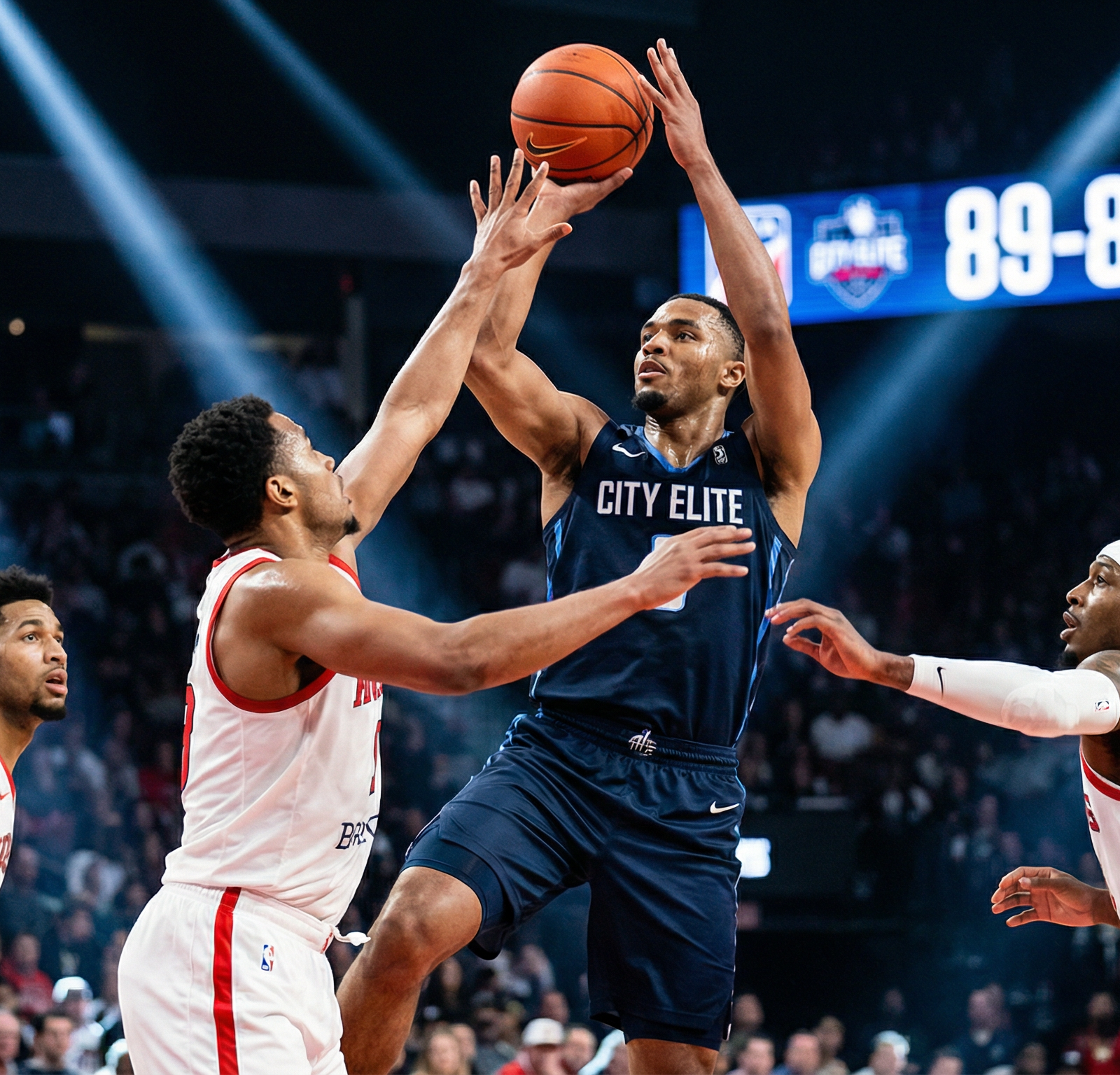
Forging Champions: A Coach's Guide to Handling Pressure in Basketball and Netball
The Anatomy of a High-Pressure Moment
The final seconds are ticking away. The roar of the crowd is deafening. The game hangs in the balance, and all eyes are on your players. In these crucible moments, championships are won and lost. Do your athletes rise to the occasion, executing with precision and calm, or do they crumble under the immense weight of the moment? For basketball and netball coaches, the ability to prepare players for these high-stakes situations is what separates good teams from great ones. It is the hallmark of a program that builds not just skilled athletes, but resilient, mentally fortified champions.
This article provides a comprehensive, SEO-optimized guide for basketball and netball coaches of all levels. We will move beyond abstract theory to deliver actionable strategies, practical drills, and credible coaching methodologies designed to equip your players with the mental fortitude to thrive under pressure. The focus is on immediate application, giving you the tools to cultivate a culture of composure and clutch performance.
Understanding the Nature of Pressure
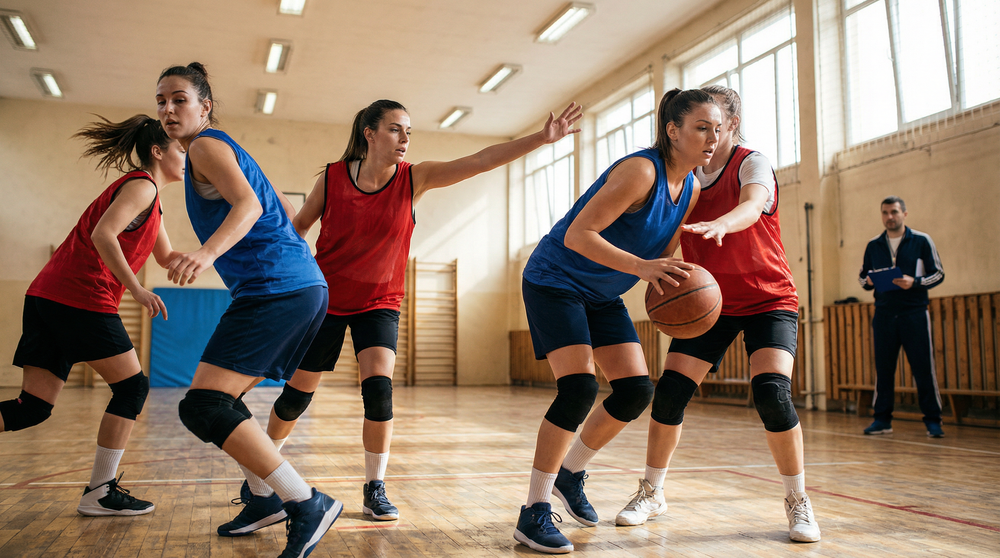
Before we can manage pressure, we must first understand it. Pressure is more than just a feeling of nervousness; it is a complex physiological and psychological response to a perceived threat or challenge. It can be a powerful motivator or a debilitating force, and the difference often lies in perception and preparation.
What is Pressure?
In its simplest form, pressure is a force applied. We feel it physically, like the pressure of a defender's hand on our back, and emotionally, like the weight of expectation from teammates, parents, or ourselves. This pressure isn't inherently negative. In fact, many elite athletes describe the feeling of pressure as a signal that they are in a meaningful moment—a chance to do something remarkable. The key is to reframe it. Performance psychology often refers to the concept of sangfroid, a French term meaning "cold blood." It describes the ability to remain calm, composed, and mentally steady in the face of extreme pressure, a quality that can be systematically trained and developed [1].
The Science of Performance Under Pressure
When a player perceives a situation as threatening, the body's sympathetic nervous system kicks into high gear, triggering the "fight-or-flight" response. Hormones like adrenaline and cortisol flood the system, causing an increased heart rate, rapid breathing, and muscle tension. While this response is designed for survival, it can be disastrous for fine motor skills required in sports. A shooter's touch becomes heavy, a passer's decision-making becomes clouded, and a player's focus narrows detrimentally. The goal of pressure training is not to eliminate this response, but to regulate it—to teach the body and mind to recognize the signs and quickly return to a state of optimal arousal where focus is sharp and execution is precise.
Identifying Pressure Triggers
To effectively coach players through pressure, you must first identify its source. Triggers can be categorized as either internal or external.
| Trigger Type | Description | Examples |
|---|---|---|
| Internal | Originating from the player's own thoughts and feelings. | Fear of failure, letting teammates down, negative self-talk, perfectionism, dwelling on past mistakes. |
| External | Originating from the environment or game situation. | Aggressive defense, loud or hostile crowds, poor officiating, the score and time remaining, a previous loss to the opponent. |
By understanding what specifically causes a player to feel overwhelmed, as emphasized by coaching resources like Netball Excellence Training, you can begin to tailor your interventions and practice scenarios to address those specific anxieties [5].
The Coach's Playbook: Cultivating a Pressure-Proof Culture
Building a team that handles pressure effectively starts long before the opening tip-off. It is about intentionally creating a culture where mental resilience is valued and trained with the same rigor as physical skill.
Mindset is Everything: Reframing Pressure as an Opportunity
The single most powerful tool in a coach's arsenal is the ability to shape perspective. Consistently frame high-pressure situations not as threats, but as opportunities. This is a core principle echoed by numerous sports psychology experts and coaching platforms [3]. Instead of saying, "Don't mess this up," try, "This is our chance to show how hard we've worked." This subtle shift in language helps players move from a mindset of avoidance to one of approach, where they are eager to engage with the challenge rather than fearful of the outcome.
Building Confidence Through Deliberate Preparation
Confidence is not a mystical quality bestowed upon a select few; it is earned through thousands of repetitions in a challenging and focused practice environment. As a coach, your practice plan is your primary tool for building this belief. When players know they have successfully executed a skill or strategy hundreds of times in practice, they develop an unshakable trust in their abilities that holds firm when the game is on the line. This means practices must be demanding, game-like, and designed to push players just beyond their current comfort zone.
Actionable Drills for High-Stakes Situations
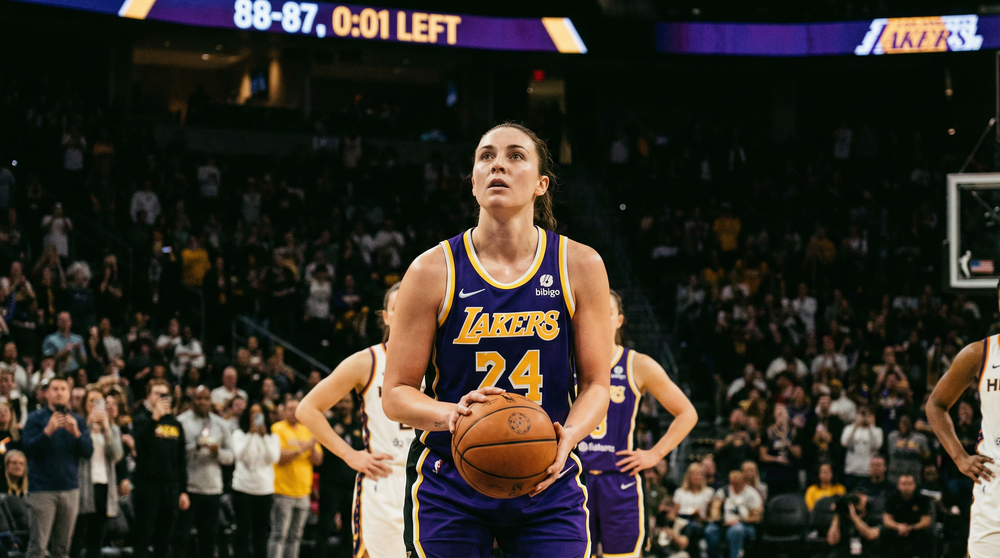
Theory is important, but application is everything. The following drills are designed to simulate the physical and mental demands of high-pressure game situations, making your players more comfortable and effective when it truly counts.
Drill 1: The "No-Dribble" Challenge
- Source: Adapted from USA Basketball coaching resources [4].
- Objective: To improve decision-making, passing, and movement under constraints.
- Setup (Basketball): Play 3-on-3 in a half-court setting. The only rule is that players cannot dribble the ball. To score, they must rely on pivoting, ball fakes, and intelligent off-ball movement to create open shots.
- Setup (Netball): This concept translates directly. Play a 4-on-4 game in a third of the court. The constraint is that players must pass the ball within two seconds of receiving it. This forces rapid decision-making and sharp, decisive movements.
- Coaching Points: This drill eliminates the individualistic nature of dribbling and forces players to think and act as a cohesive unit. It naturally creates pressure by limiting options and time, teaching players to see the floor, anticipate movement, and communicate effectively.
Drill 2: The "Pressure Cooker" Free Throw / Goal Shot
- Objective: To simulate the pressure of a game-deciding shot.
- Setup: At the end of a grueling practice session when players are physically and mentally fatigued, line them up for a single free throw (basketball) or goal shot (netball). Attach a significant consequence to the outcome. The consequence should be team-based to add the pressure of not letting teammates down.
- Example Consequences:
- Make: Practice ends immediately.
- Miss: The entire team runs a set number of sprints (e.g., "suicides" or "down-and-backs").
- Coaching Points: This drill is less about shooting mechanics and more about mental routine. Coach players to develop a consistent pre-shot ritual—a specific number of dribbles, a deep breath, a focal point. This routine becomes an anchor, a familiar and controllable action in a high-stress environment. It teaches them to block out the external pressure and focus solely on the process, not the outcome.
Drill 3: The "Tip From Behind" Recovery Drill
- Source: Inspired by Coach Mike Hilmer's relentless pressure defense system [2].
- Objective: To instill a "never give up on the play" mentality and create psychological pressure on the ball handler.
- Setup (Basketball): An offensive player starts at one free-throw line, and a defender starts directly behind them. On the coach's signal, the offensive player dribbles to the other end of the court for a layup. The defender's goal is to sprint, catch up, and attempt to tip the ball away from behind. The key is to teach the defender to swipe up at the ball with their inside hand to avoid fouling.
- Coaching Points: This drill has a profound psychological impact. The ball handler can hear the defender coming but can't see them, creating uncertainty and often causing them to speed up and make mistakes. For the defender, it reinforces a relentless work ethic and the understanding that they are never out of a play.
Actionable Takeaways and Coaching Tips
- Embrace the Process: Focus your team's attention on what they can control: their effort, their attitude, and their execution of the game plan. The outcome will take care of itself.
- Speak the Language of Composure: Use your timeouts and huddles to project calm and confidence. Your players will mirror your demeanor.
- Use Video for Mental Rehearsal: Review film not just for tactical errors, but for body language and responses to pressure. Show players examples of themselves and professionals successfully navigating high-stakes moments.
- Implement Breathing Techniques: Teach your players a simple, universal calming technique. A slow, four-second inhale, followed by a four-second exhale, can instantly lower heart rate and clear the mind.
Ultimately, coaching athletes to handle pressure is one of the most rewarding aspects of the job. It transcends the boundaries of the court, equipping young people with a life skill that will serve them in their careers, relationships, and personal challenges. By creating a culture of resilience, implementing targeted drills, and focusing on the mental side of the game, you can forge champions who not only win games but who are prepared to face any challenge with confidence and composure.
References
[1] NBC Camps. "Dealing with Pressure on the Basketball Court." nbccamps.com.
[2] Breakthrough Basketball. "6 Relentless Pressure Defense Drills - From 3x State Champion Coach." breakthroughbasketball.com.
[3] Scholar Basketball. "Effective Ways to Handle Pressure in High-Stakes Basketball Games." scholarbasketball.com.
[4] USA Basketball. "2 Easy Drills to Improve Passing and Break Pressure." usab.com.
[5] Netball Excellence Training. "How to Help Stop Players Crumbling Under Pressure." netballexcellencetraining.com.
Tags