Player Training
How to Stay Motivated with Basketball Practice Goals: A Complete Guide for Coaches
Struggling to keep your players energised at practice? Discover proven goal-setting strategies, 4 competitive drills, and a mastery-climate framework that will transform your basketball and netball training sessions.
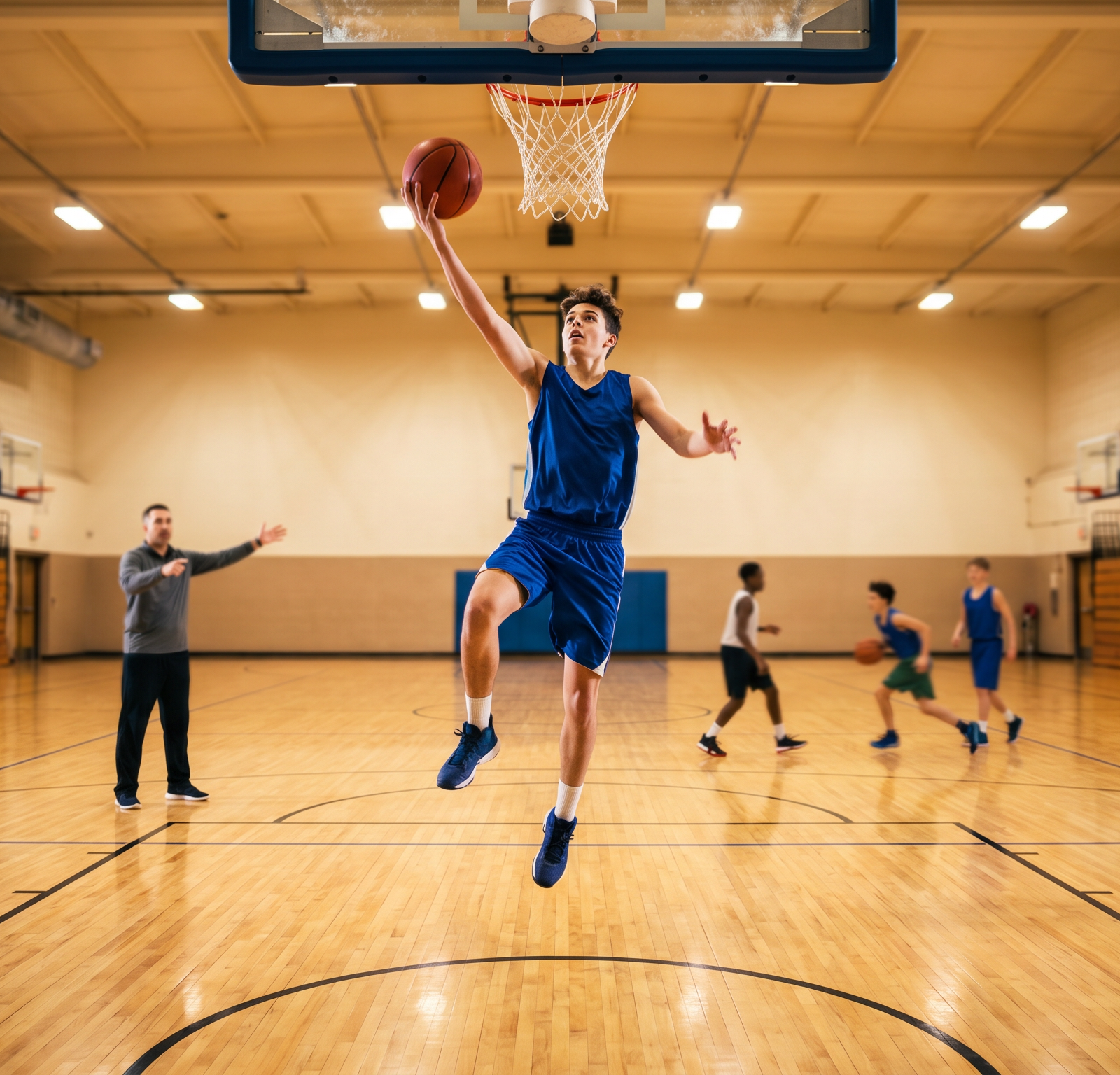
As a youth basketball or netball coach, you know the feeling. It's mid-season, the initial excitement has worn off, and practice energy is dipping. Players are going through the motions during drills, and the intensity that was there in week one has vanished.
Keeping athletes motivated throughout a long season is one of the most challenging aspects of coaching. While game days bring their own natural adrenaline, practice is where championships are built—and where motivation most frequently wanes.
The secret to sustaining high energy and focus during training sessions isn't just about being a "rah-rah" coach. It's about implementing structured, measurable, and competitive practice goals that tap into players' intrinsic motivation.
In this comprehensive guide, we'll explore proven strategies for setting effective practice goals, share practical drills you can use immediately, and show you how to build a mastery-focused environment that keeps players hungry to improve.
Understanding Motivation in Youth Sports
Before diving into specific goal-setting strategies, it's crucial to understand what actually drives young athletes. Sports psychology, particularly Self-Determination Theory (SDT), provides valuable insights into player motivation.
According to SDT, athletes are most motivated when three basic psychological needs are met: Autonomy (feeling they have a say in their development and choices), Competence (feeling capable and effective in their skills), and Relatedness (feeling connected to their teammates and coaches).
When coaches design practice goals that support these three needs, they foster intrinsic motivation—the desire to participate and improve for the sheer enjoyment and satisfaction of the sport itself. This is far more sustainable than relying solely on extrinsic motivators like playing time, trophies, or fear of punishment.
The Mastery Climate vs. Performance Climate
Research consistently shows that coaches who create a "mastery climate" rather than a "performance climate" see higher levels of sustained motivation and lower burnout rates among youth athletes.
In a performance climate, the focus is on interpersonal comparison, winning, and avoiding mistakes. Goals are often entirely outcome-based (e.g., "We must win the championship").
In a mastery climate, the focus is on personal improvement, effort, and learning from mistakes. Goals are process-oriented and self-referenced (e.g., "I want to improve my weak-hand finishing by 20%").
To keep players motivated during practice, your goals must align with a mastery climate.
The Framework for Effective Practice Goals
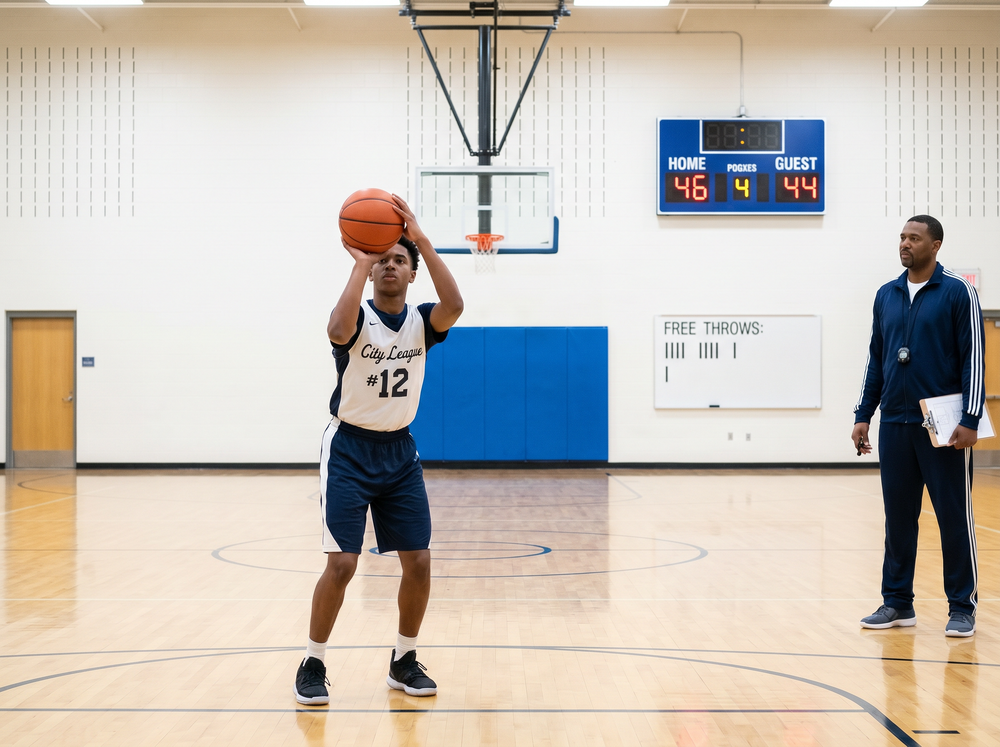
To ensure your practice goals actually drive motivation, they need to be structured effectively. The most reliable framework for this is setting S.M.A.R.T. goals, but with a specific twist for sports practices.
1. Shift from Outcome Goals to Process Goals
An outcome goal focuses on the end result (e.g., "Make 80% of free throws in the game"). A process goal focuses on the specific actions needed to achieve that result (e.g., "Hold my follow-through for two seconds on every practice shot").
Process goals are incredibly motivating because they are entirely within the athlete's control. Even if a shot misses, a player can achieve their process goal, providing a sense of competence and progress.
2. Make Goals Measurable and Visible
Goals lose their motivational power if progress isn't tracked. Players need to see their improvement.
This is where technology becomes invaluable. While you could use clipboards and spreadsheets, managing this manually for an entire team quickly becomes overwhelming. This is exactly why the Vanta Coach App was purpose-built for youth basketball and netball. Completely free for volunteer coaches, it allows you to easily track practice attendance, session plans, and player progress. When players can visually see their improvement over time, their motivation naturally increases.
3. Implement Micro-Goals Within Drills
Long-term goals are important, but they don't help a player push through a tiring defensive slide drill on a Tuesday evening. To maintain practice intensity, you need micro-goals.
Micro-goals are specific targets set for a single drill or a single practice. They provide immediate feedback and a short-term challenge to conquer.
4 Practical Drills to Boost Practice Motivation
Here are four competitive, goal-oriented drills that incorporate measurable targets to keep your basketball or netball team highly motivated.
Drill 1: The "Beat the Pro" Shooting Challenge
This drill is excellent for building competitive drive and tracking shooting progress over time.
How it works: The player picks a "Pro" they are competing against. The player shoots from specific spots on the floor. If they make the shot, they get 1 point. If they miss, the "Pro" gets 2 points. The goal is to reach 11 points before the Pro does.
Why it motivates: It gamifies shooting practice and adds immediate consequences to misses without being overly punitive. The asymmetric scoring (2 points for a miss vs. 1 for a make) forces players to focus intensely on every single shot.
Vanta Integration: Have players log their "Beat the Pro" win/loss record in the Vanta Player App. This allows them to track their shooting development over the season and provides a tangible record of their improvement, directly supporting their need for competence.
Drill 2: The "Perfect 3" Defensive Stops
Defense is notoriously difficult to motivate players for in practice. This drill changes the focus from just "playing defense" to achieving a specific, measurable team goal.
How it works: Play 4v4 or 5v5 half-court. The defense must get three consecutive stops (rebounds, steals, or forced turnovers) to get out of the drill. If the offense scores or gets an offensive rebound, the count resets to zero.
Why it motivates: It requires intense team collaboration (relatedness) and provides a clear, challenging micro-goal. The collective determination to get back to three consecutive stops after a reset is pure intrinsic motivation at work.
Drill 3: The 21-in-5 Free Throw Pressure Cooker
Free throw shooting at the end of practice often devolves into casual, unfocused reps. This drill adds game-like pressure and a measurable team target.
How it works: Put 5 minutes on the clock. The team must collectively make 21 free throws before the time expires. The catch: players must run a sprint (e.g., baseline to baseline) between each shot they take.
Why it motivates: It combines physical fatigue with mental focus, simulating late-game situations. The ticking clock and the collective goal force players to concentrate on their process rather than just going through the motions. It also builds team accountability—every missed free throw costs the team precious seconds.
Drill 4: The "Plus/Minus" Passing Drill (Great for Netball & Basketball)
This drill focuses on passing accuracy and decision-making under pressure, and works equally well for netball circles and basketball half-court sets.
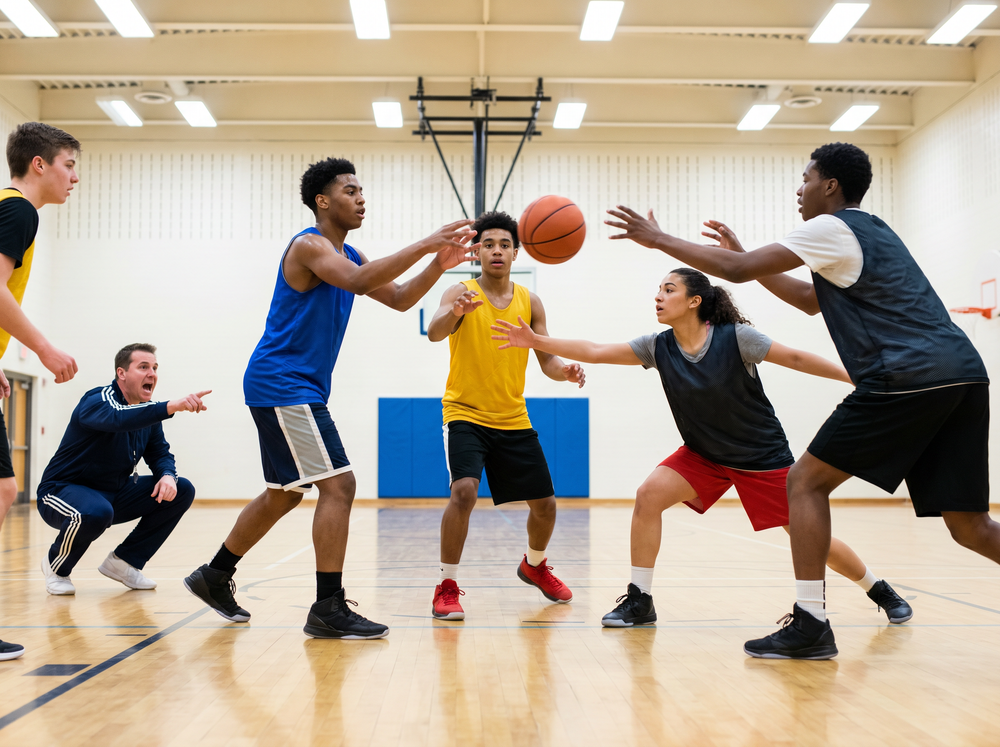
How it works: Set up a small-sided game (3v3 or 4v4) in a confined space. The goal is to complete 10 consecutive passes without the defense touching the ball. The scoring: +1 point for every successful pass, -2 points for any turnover or defensive deflection. First team to +10 wins.
Why it motivates: It highly penalises sloppy passes and rewards sharp, accurate ball movement. The visible scoring system keeps players intensely focused on every single possession, and the penalty for turnovers creates a healthy pressure that mirrors game conditions.
Creating a Goal-Oriented Culture with Vanta Sports
Implementing these strategies requires consistency and a system for tracking progress. While many generic sports apps exist, they often fall short when it comes to the specific needs of basketball and netball development.
This is where the Vanta Sports ecosystem truly shines. Built specifically for youth basketball and netball, Vanta provides a complete platform to support player development and club management at every level.
Vanta Club provides the complete infrastructure for club management, handling registrations, integrated Stripe payments, and essential safeguarding and compliance tools. It removes the administrative burden so coaches can focus entirely on coaching.
Vanta Coach App is your command center for practice. Completely free for volunteer coaches, it allows you to plan sessions, track attendance, and monitor the specific goals you've set for your team—all from your phone on the sideline.
Vanta Player App is where motivation becomes tangible. Players can track their individual goals, log their achievements from practice drills (like the "Beat the Pro" challenge), and stay connected with team events. When players have ownership of their own development data, their engagement and intrinsic motivation soar.
Vanta Guardian keeps parents in the loop with schedules, payments, and communication, ensuring the whole support system is aligned behind the player's development.
By integrating goal tracking into the Vanta Player and Coach apps, you move goals from abstract concepts discussed once at the start of the season to daily, visible targets that drive practice intensity every single session.
Actionable Takeaways for Your Next Practice
To start improving practice motivation immediately, try implementing these three steps this week.
First, define one process goal before your next practice. Choose one specific process goal for the team (e.g., "Every player sprints back on defense, regardless of the outcome of the shot"). Write it on the whiteboard at the start of practice so it's visible to everyone.
Second, gamify one drill. Take a standard drill you already run and add a measurable, competitive element to it. Use the "Plus/Minus" scoring system or the "Perfect 3" consecutive-stops format to transform a routine exercise into a compelling challenge.
Third, track the results. Use the Vanta Coach App to record the results of that gamified drill. Share the results with the team at the end of practice and challenge them to beat that score next time. When players see their progress documented and improving, the motivation to keep pushing becomes self-sustaining.
Motivation isn't a constant state; it's a fire that needs consistent fueling. By setting S.M.A.R.T. process goals, creating a mastery climate, and utilising tools like Vanta Sports to track progress, you can ensure your practices remain highly focused, intensely competitive, and deeply rewarding for your players. The coaches who build great teams aren't just the ones who know the most drills—they're the ones who know how to make every single player want to come back and work harder tomorrow.
Ready to Take Your Training to the Next Level?
Track your shots and level up with the Vanta Player App. Learn more about Vanta Sports
Tags