Club Management
Beyond the X's and O's: A Coach's Guide to Mastering Parent Communication
Transform your parent-coach dynamic from a source of stress into a powerful alliance. Discover actionable drills, mindset shifts, and tools to engage parents as partners in your youth sports team.

Beyond the X's and O's: A Coach's Guide to Mastering Parent Communication
In the world of youth basketball and netball, coaches are masters of strategy. You design intricate plays, cultivate player skills, and foster a love for the game. But what about the playbook for managing the sidelines? A recent national survey from the U.S. Center for SafeSport delivered a sobering reality: the challenge of managing parents is now a top reason youth coaches feel burned out and even quit the sports they love [1]. One coach described the tension bluntly: "They instilled distrust. They were worse than children."
This isn't just a feeling; it's a crisis. With over 40% of officials also citing unruly parents as the biggest impediment to their job satisfaction, it's clear that a communication breakdown is threatening the very foundation of youth sports [1]. The constant barrage of emails, texts, and sideline coaching can leave even the most dedicated coach feeling overwhelmed and underappreciated.
But what if you could transform this dynamic? What if you could turn your biggest source of stress into your greatest asset? This guide provides a new playbook—one that moves beyond just "dealing with" parents to actively engaging them as collaborative partners. We'll explore the root causes of the disconnect, provide practical drills you can implement today, and introduce the tools that can streamline communication, giving you back your time and your passion for coaching.
The Parent-Coach Disconnect: Why Communication Breaks Down
Before we can fix the problem, we must understand its origins. The friction on the sidelines isn't born from a lack of care; in fact, it often stems from the opposite. The landscape of youth sports has shifted dramatically. Parents today have a significant financial and emotional investment in their child's athletic journey [2]. This, combined with the pressures of early specialization and a social media culture that constantly compares young athletes, creates a high-stakes environment.
A 2025 study from the University of Florida found that while most parents have realistic expectations, a "sizeable minority" holds optimism that far outpaces reality [3]. This group is more likely to be influenced by their child's own athletic identity, leading to intense pressure and a greater potential for conflict. When parents view sports as an investment with a potential return—like a college scholarship—the focus shifts from development to outcomes, putting them on a collision course with coaches who are focused on the team's long-term growth.
This environment of heightened expectations and reduced institutional trust means the old model of top-down communication is no longer effective. To succeed, coaches need a new approach rooted in empathy, engagement, and strategic alignment.
From Conflict to Collaboration: A New Mindset for Coaches
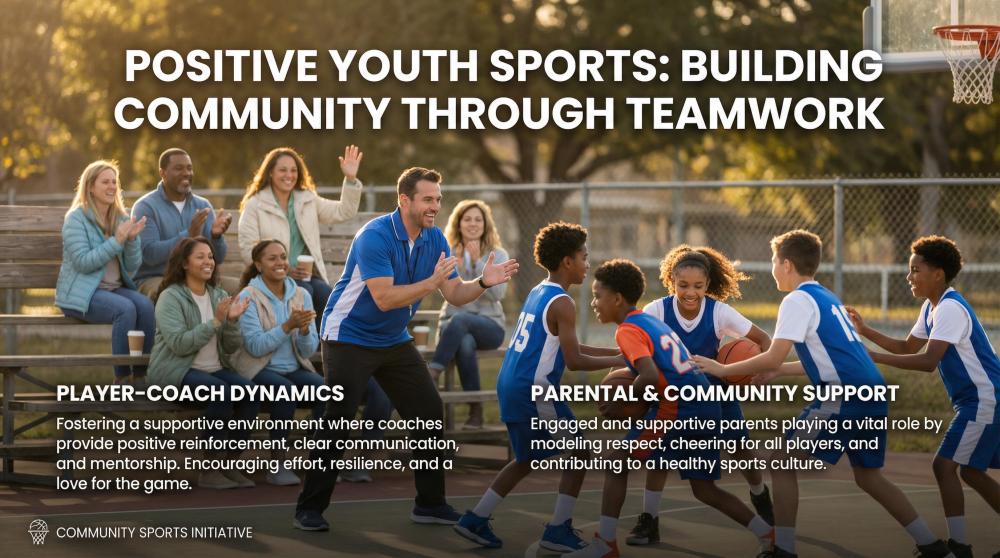
Iowa State Champion Girls Basketball Coach Nate Sanderson offers a revolutionary perspective: stop dealing with parents and start coaching them [4]. This simple shift in mindset is profound. We would never walk into a practice thinking, "Today I have to deal with these players." We approach our athletes with a desire to appreciate, encourage, and develop them. Applying this same philosophy to parents is the first step in transforming the relationship.
Instead of viewing parents as adversaries to be managed, see them as potential partners who are deeply invested in their child's success. The key is to channel their investment constructively. This begins by inviting them to participate in your team culture, not just informing them of your rules. By fostering open communication and reinforcing a shared commitment to athlete development, you can turn even the most challenging relationships into productive and supportive ones.
Pre-Season Playbook: Setting the Stage for Success
Effective communication is proactive, not reactive. The most critical conversations happen before the first whistle blows. A well-planned pre-season parent meeting is your single most effective tool for preventing future conflicts.
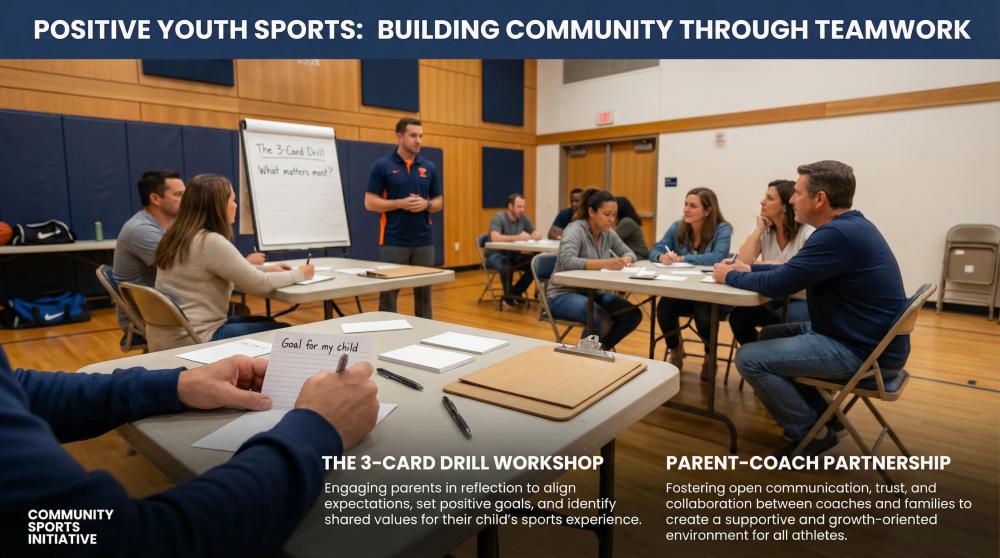
The Game-Changing Parent Meeting
This meeting isn't about reading a 30-page handbook of rules. It's about building relationships and establishing a shared vision. While you should cover essential policies on playing time, communication protocols, and team values, the primary goal is to open a dialogue. This is your chance to lead with empathy, show you care about each child as a person, and set a collaborative tone for the season.
The Three-Card Drill: Uncovering What Truly Matters
To make your parent meeting truly transformative, incorporate this powerful exercise developed by Coach Nate Sanderson [4]. It’s a simple technique to uncover parents' true desires for their children beyond just winning or scoring.
Instructions for the Drill:
- Prepare Materials: Give each parent three index cards.
- Card 1 (Goals): Ask them to write at least one reasonable, measurable goal they have for their child this season on the front, and one for the team on the back.
- Card 2 (The "What If?" Question): This is the most crucial step. Ask them: “What do you want your daughter’s or son’s experience to be like if they CAN’T accomplish any of the goals you just wrote down?”
- Card 3 (Commitment): Ask them to write down one or two specific ways they will help the team achieve the positive experience they described on Card 2.
When Coach Sanderson performed this exercise, the responses to the second question were powerful. Parents wanted their children to develop resilience, be good teammates, build lasting friendships, and find joy in the sport, regardless of the outcome. This drill brilliantly shifts the focus from performance to purpose and provides you, the coach, with a deep understanding of what your families truly value.
In-Season Strategies: Maintaining Open and Effective Communication
Once the season is underway, maintaining the positive momentum from your pre-season meeting is crucial. This requires consistent effort and the right systems in place.
Establish Clear Communication Channels
One of the biggest sources of frustration for both coaches and parents is disorganized communication. Important messages get lost in endless email chains, group texts become chaotic, and nobody is quite sure where to find the latest schedule update. This is where technology, when used correctly, can be a game-changer.
Instead of juggling multiple apps and platforms, successful clubs consolidate their communications into a single, reliable system. This is precisely why Vanta Sports was created. It provides a complete, purpose-built ecosystem for youth basketball and netball clubs. With the Vanta Coach App, which is free for volunteer coaches, you can manage schedules, track attendance, and send direct messages to individuals or the entire team. Parents use the Vanta Guardian app, giving them a single, trusted source for all team information, schedules, and payment management. By creating one source of truth, you eliminate confusion and ensure everyone stays informed.
The 24-Hour Rule and Other Boundaries
To ensure conversations remain productive, establish clear communication boundaries. The most effective is the "24-Hour Rule," which requires parents to wait at least 24 hours after a game before approaching a coach with a concern [2]. This cooling-off period allows emotions to settle and leads to more rational, solution-focused discussions. Clearly define your preferred communication channels and availability within a platform like Vanta Sports to prevent impromptu and often emotionally charged confrontations at practices or games.
Drills and Techniques for Building a United Team Community
A strong sense of community is your best defense against negativity. When parents feel connected to each other and invested in the entire team's success, they are more likely to be supportive and less likely to cause friction.
Sideline Superstars: A Drill for Positive Cheering
Many parents yell instructions from the sidelines because they genuinely want to help but don't know how. This drill teaches them a better way.
Instructions for the Drill:
- Educate: At your parent meeting, explain the difference between "instructing" and "encouraging." Instructing ("Shoot!", "Pass the ball!") creates confusion and undermines the coach. Encouraging ("Great hustle!", "Nice pass, Ava!") builds confidence.
- Introduce "Effort Praise": Dedicate a segment to teaching parents the concept of praising effort, not just results. Provide examples: "I love how hard you worked to get back on defense!" is more powerful than "Great shot!"
- Practice: Turn it into a fun, interactive exercise. Call out a game scenario and have parents practice shouting "Effort Praise" phrases. This gives them a new, positive vocabulary for the sidelines.
The "Teammate of the Week" Parent Huddle
This simple ritual can powerfully shift the focus from individual performance to team contribution.
Instructions for the Drill:
- Select a "Teammate of the Week": Each week, select a player not for points scored, but for demonstrating team values like great sportsmanship, hustle, or being a supportive teammate.
- The Parent Huddle: At the end of one practice during the week, gather the team and parents for a 60-second huddle. Announce the "Teammate of the Week."
- Parent Recognition: Ask the parent of the selected player to share one positive observation they had about another player on the team from the previous game. For example, "I was so impressed with Milla's determination to get that loose ball."
This drill accomplishes two things: it reinforces the values you want to see in your players, and it trains parents to watch for and appreciate the positive contributions of every child on the team, fostering a supportive and unified community.
Leveraging Technology to Build Bridges, Not Walls
While a shift in mindset is foundational, having the right tools is what makes sustained, effective communication possible. The chaos of modern youth sports logistics requires a modern solution. Trying to manage a club with a patchwork of spreadsheets, group chats, and email threads is a recipe for burnout.
Vanta Sports is the only complete club management platform designed specifically for the needs of youth basketball and netball. It replaces chaos with a streamlined, intuitive ecosystem that connects everyone involved:
- Vanta Club: The central nervous system for administrators, handling everything from registrations and payments (powered by Stripe) to ensuring compliance and safeguarding.
- Vanta Coach App: This free app is a lifeline for volunteer coaches, putting scheduling, attendance tracking, and secure team messaging right at their fingertips.
- Vanta Guardian: This dedicated app for parents and guardians consolidates all team schedules, communications, and payments into one easy-to-use hub, eliminating the "I didn't get the memo" problem.
- Vanta Player App: Engages players directly, helping them track their goals, see team events, and feel a stronger connection to their team.
By unifying all club operations and communications onto a single platform, Vanta Sports frees coaches and administrators from logistical headaches, allowing them to focus on what they do best: developing young athletes.
Conclusion: Building Your Legacy Beyond the Court
Great coaching has always been about more than just winning games. It's about teaching resilience, building character, and fostering a lifelong love of sport. In today's complex youth sports environment, that mission has expanded. The most effective coaches are not just teachers of the game, but also leaders of their team community.
By shifting your mindset from managing adversaries to engaging partners, you can transform the parent-coach dynamic from a source of stress into a powerful alliance. Implementing proactive strategies, establishing clear boundaries, and leveraging purpose-built technology like Vanta Sports will not only reduce conflict but also create a more positive, supportive, and rewarding experience for everyone involved—especially the young athletes who are at the heart of it all.
Ready to Take Your Club to the Next Level?
Discover how Vanta Sports simplifies club management. Learn more about Vanta Sports
References
[1] U.S. Center for SafeSport. (2026, January). National Survey on Youth Sports Coaching. As cited by ESPN.
[2] Positive Coaching Alliance. (n.d.). Getting Parents/Caregivers on Your Side: Turning Challenges into Collaboration in Youth Sports.
[3] University of Florida. (2025, November). Most parents keep youth sports dreams in check, study finds. UF News.
[4] Sanderson, N. (2016, December 13). Coaches, Stop 'Dealing with Parents' and Start Engaging Them! Changing the Game Project.
Tags