Netball Technique
Shooting Circle Positioning Strategies: A Complete Guide for Netball and Basketball Coaches
Master the art of shooting circle positioning with proven strategies, drills, and tactics that help netball and basketball coaches unlock more scoring opportunities and build smarter, more dynamic attackers.
Shooting Circle Positioning Strategies: A Complete Guide for Netball and Basketball Coaches

In both netball and basketball, the shooting circle — whether it is the semicircular goal circle in netball or the paint and key area in basketball — is where games are won and lost. Yet for many coaches, particularly those working with developing players, the shooting circle remains an undertaught zone. Players are often drilled on passing, footwork, and defence, but the nuanced art of positioning within the shooting circle is frequently left to chance.
This guide breaks down the essential positioning strategies for both sports, offering practical drills, coaching cues, and tactical frameworks that coaches at every level can implement immediately.
Why Shooting Circle Positioning Is the Foundation of Attack
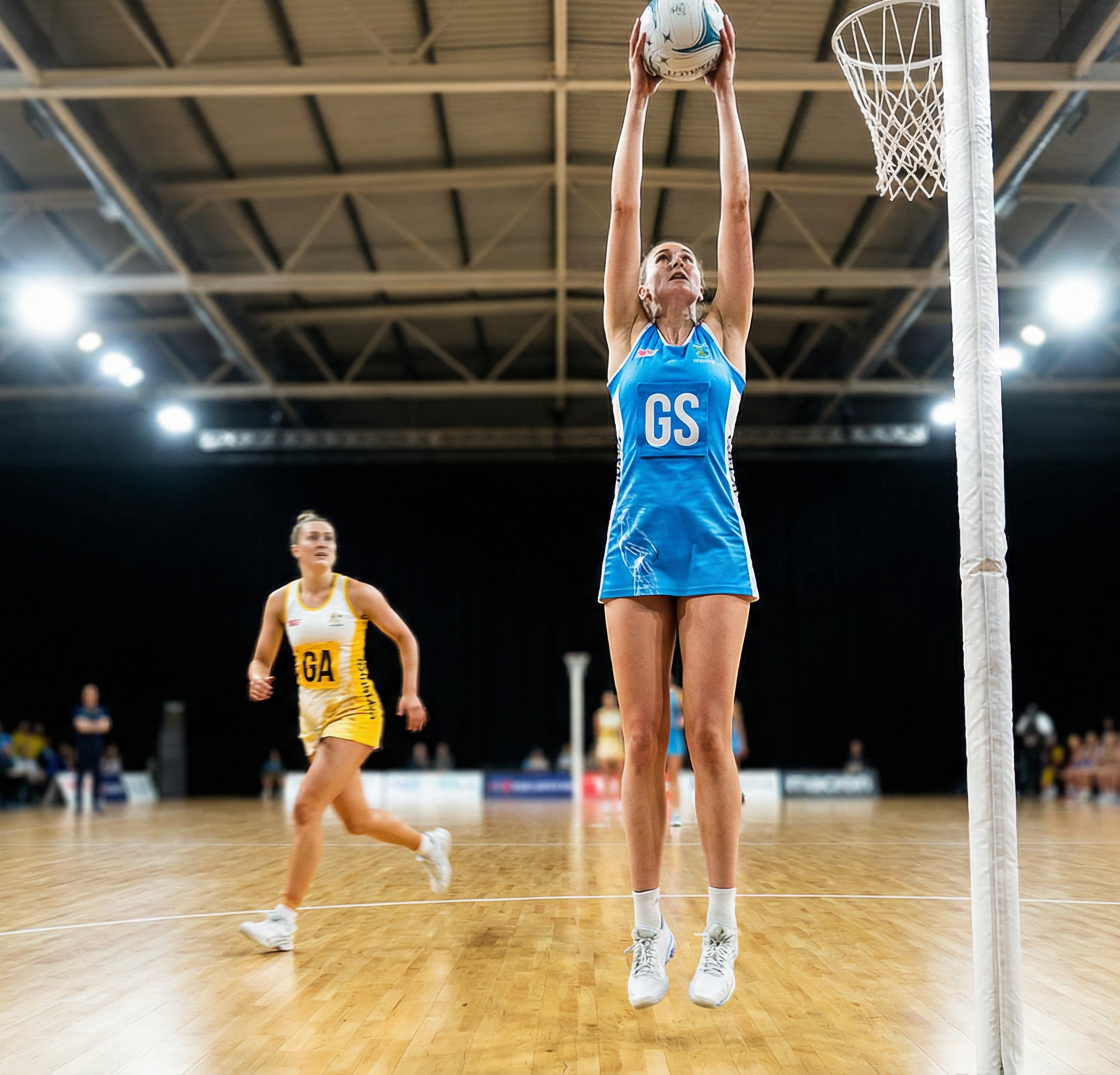
Effective shooting circle positioning is not simply about standing in the right spot — it is about creating and exploiting space in a highly contested, restricted area. In netball, only the Goal Shooter (GS) and Goal Attack (GA) are permitted inside the shooting circle, making their spatial relationship with each other and with defenders absolutely critical. In basketball, post players and cutters must read defensive alignments and position themselves to receive passes at high-percentage shooting locations.
The core principle in both sports is the same: a player who stops moving in the shooting circle becomes easy to defend. Continuous, purposeful movement — not random activity — forces defenders to make decisions and creates the openings that lead to clean shots at goal.
Research from elite coaching programmes consistently shows that teams who work on structured circle movement drills see measurable improvements in shooting conversion rates, because players arrive at the ball in better body positions and with less defensive pressure.
Netball: The Principles of Goal Circle Positioning
Front Space and Back Space
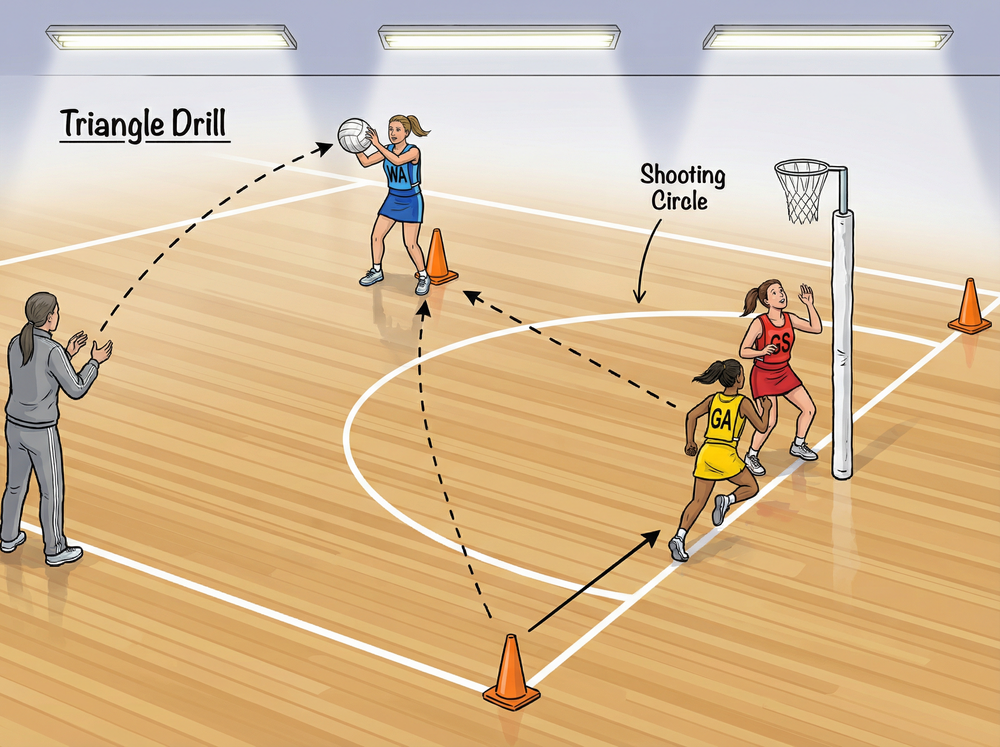
The most fundamental concept in netball shooting circle positioning is the division of the circle into front space (the area between the post and the top of the circle, facing the incoming ball) and back space (the baseline side, behind the post). When both the GS and GA are in the circle simultaneously, they must occupy different zones — one takes the front, the other takes the back.
When both shooters crowd the front space, they not only obstruct each other's leads but also make it trivially easy for defenders to cover both players with minimal effort. A well-coached shooting pair will make eye contact before entering the circle, communicate their intended positions, and lead with intensity rather than drifting passively.
| Position | Primary Zone | Key Responsibility |
|---|---|---|
| Goal Shooter (GS) | Back space / close to post | Hold position, receive lob or drop pass, shoot from close range |
| Goal Attack (GA) | Front space / top of circle | Link midcourt to circle, create lead, shoot from wider angles |
The Principle of Continuous Movement
One of the most commonly cited coaching principles from elite netball coaches is that shooters must never stop moving when they are not in the correct position. Rather than standing and waiting, a shooter who is out of position should move to the edge of the circle — clearing space — and then drive back in with a sharp, decisive lead. This pattern of clearing and re-offering is the engine of effective circle attack.
Coaching cue: "If you're not in the right spot, move to the edge and come back harder."
Spatial Awareness and the Balanced Circle
A balanced circle means that the two shooters are never competing for the same piece of space. Coaches should train their shooters to develop a constant awareness of where their partner is positioned. The back shooter (typically GS) must react to the front shooter's movements, since the front player cannot see what is happening behind them. This requires trust, communication, and repetition in training.
Basketball: Post Player Positioning in the Paint
Finding the Right Spot on the Block
In basketball, the equivalent of the shooting circle is the paint area, and the post player's positioning within it is equally nuanced. Don Kelbick, a respected NBA skills trainer, emphasises that a foot or two can mean the difference in the effectiveness of post play. The recommended starting position is straddling the first marker above the block on the lane — this allows the player to turn in either direction without going behind the backboard, and provides better passing angles for perimeter players.
Post players must locate their defender before receiving the ball. Once the defensive position is identified, the post player works to keep the defender on one side — if the defender is playing low, keep them low; if high, keep them high. Perimeter players should be coached to pass away from the defender, and the post player should pivot with the pass to open up toward the middle.
Footwork as the Foundation
The greatest post players in basketball history — from Kareem Abdul-Jabbar to Hakeem Olajuwon — share one common trait: exceptional footwork. The pivots available to a post player are finite, but the combinations are endless. Coaches should ensure their post players are comfortable with the front pivot, inside pivot, drop step, step through, and sweep — and critically, on both feet.
| Pivot Type | When to Use | Counter Move |
|---|---|---|
| Drop Step | Defender playing high | Drop step counter (inside pivot, shot) |
| Front Pivot | Open lane to basket | Drive or jump hook |
| Step Through | Defender jumps to block | Sweep to opposite side |
| Inside Pivot | Pass from wing | Jump shot or power move |
5 Practical Drills to Improve Shooting Circle Positioning
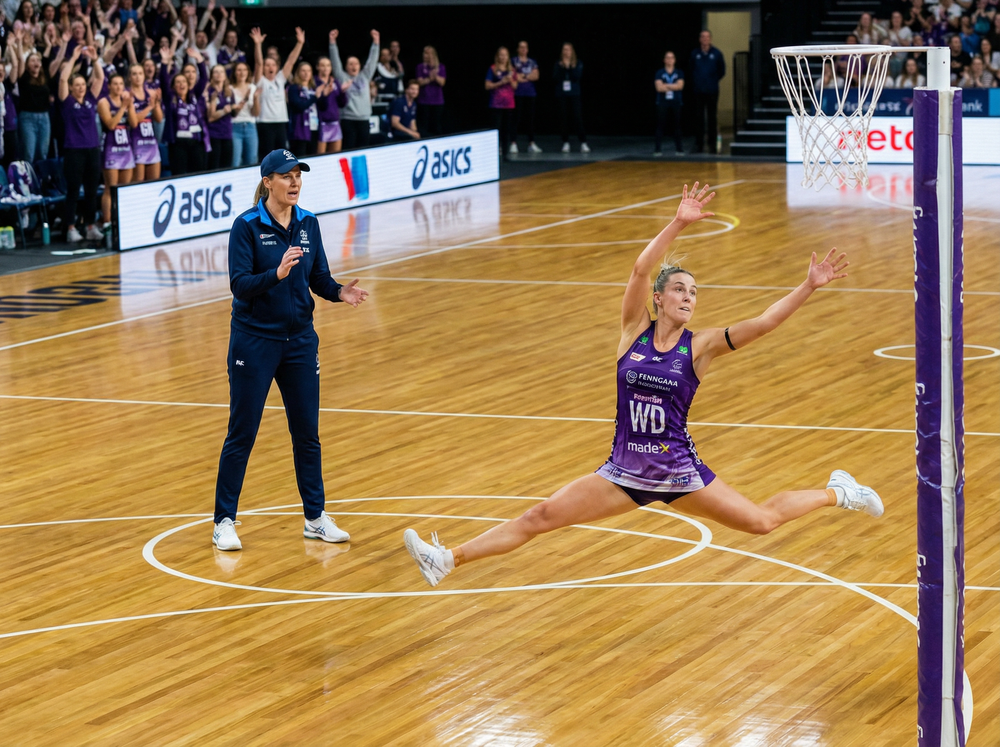
Drill 1: The Triangle Drill (Netball)

Setup: Place three cones inside the shooting circle — one near the goal post, one at the baseline where it intersects the circle, and one near the top of the circle. Position a feeder outside the circle.
Execution: The GS and GA begin on two of the cones along the baseline. The player furthest from the post drives to the top-of-circle cone and receives a pass from the feeder. The player under the post then drives along the baseline to the outside cone and receives a pass from their partner, who in turn drives to the post cone and receives the next pass before shooting.
Coaching focus: Emphasise sharp changes of direction, forward leads onto the ball, and maintaining a balanced circle throughout the rotation. Once players understand the pattern, remove the cones and add defenders.
Why it works: This drill teaches shooters to work cooperatively, use each other's movements as cues, and always be driving toward the post rather than standing still.
Drill 2: Figure of 8 Circle Movement (Netball)
Setup: Place marker cones approximately one metre apart inside the goal circle. Two shooters begin on opposite sides of the circle.
Execution: Both players weave in a figure of 8 pattern around the cones, facing down court and using a running step. Progress by removing the cones and adding a stationary feeder, who passes to whichever shooter is in the best position. Vary the pass type — chest, bounce, lob — and the distance.
Coaching focus: Stress the need for forward or diagonal backward movement to take a pass. Players should never receive the ball moving sideways or standing flat-footed.
Progression: Add one defender, then two. Require the ball to be passed in and out of the circle three times before a shot is attempted.
Drill 3: Five Passes Then Shoot (Netball)
Setup: Two moving feeders outside the circle, GS and GA inside the circle with one or two defenders.
Execution: The ball must be passed between the feeders and the shooters a minimum of five times before a shot is attempted. The fifth pass must be received close to the post.
Coaching focus: Encourage players to use their voices, hold for space, and employ a variety of techniques — lunges, rolls, drops, screens, and double plays. Defenders on the feeders can be added to increase contest and replicate game conditions.
Why it works: The five-pass requirement prevents shooters from rushing and forces them to work the circle properly, developing patience and spatial intelligence.
Drill 4: Low Post Chair Pivot (Basketball)
Setup: Place a chair on the block to simulate a stationary defender. The post player begins with their back to the basket.
Execution: The coach or feeder passes the ball to the post player from the wing. The post player catches, reads which side of the chair (defender) is open, and executes the appropriate pivot move — drop step to the baseline, or front pivot to the middle — finishing with a layup or short jump shot.
Coaching focus: The player must locate the "defender" (chair) before catching the ball, and commit to a decisive pivot without hesitation. Alternate passes from the left and right wing to develop ambidexterity.
Progression: Replace the chair with a live defender who provides token resistance, then full defensive pressure.
Drill 5: Split Landing Accuracy (Netball)

Setup: Player begins at the edge of the shooting circle with a ball or a wall to feed from.
Execution: The player tosses the ball up (or feeds off a wall) and practices receiving it with a split landing — a two-footed landing where the feet land far apart — as close to the post as possible. The player then pivots on the foot closest to the post and shoots.
Coaching focus: Teach both the back split (body stays straight, back leg splits backward) and the side split (body opens away from the defender). Players should start further from the post and progressively work closer, developing mobility and stability in the hips, knees, and ankles.
Why it works: Split landings allow shooters to gain significant ground toward the post on the catch, dramatically increasing shooting percentage by reducing the distance of the attempt.
Advanced Tactical Concepts
The Clear and Re-Offer
One of the most effective — and most underused — tactics in the shooting circle is the clear and re-offer. When a shooter's lead is covered or the space they want is occupied, rather than holding their position and creating congestion, they clear to the edge of the circle and immediately re-offer at a different angle or depth. This three-step process — lead, clear, re-offer — keeps defenders guessing and prevents the circle from becoming static.
Varying Your Moves
A critical principle for both netball shooters and basketball post players is that predictability is the defender's greatest ally. If a GS always drives to the same spot, or a basketball post player always drops to the baseline, defenders will anticipate and shut down those options. Coaches should actively encourage their players to vary their movements, mix their pivot choices, and use different pass types to keep defences off-balance.
Reading the Defender
In both sports, the most advanced positioning skill is reading the defender in real time. In netball, a shooter must identify whether their defender is playing front (between them and the ball) or behind (between them and the post), and adjust their lead accordingly. In basketball, the post player must read whether the defender is on the high side, low side, or directly behind, and use that information to determine which pivot and which direction to attack.
Using Technology to Reinforce Circle Positioning
For coaches who want to track player development and plan structured sessions around these concepts, having the right tools makes a significant difference. Vanta Sports was purpose-built for youth basketball and netball coaches, and the Vanta Coach App — free for volunteer coaches — makes it easy to plan and save session progressions, track attendance, and monitor player development over time.
With the Vanta Coach App, you can build a library of your favourite circle positioning drills, schedule them into upcoming sessions, and track which players are mastering key techniques. The Vanta Player App allows your athletes to log their own goals and achievements, reinforcing the individual skill targets you set in training — such as split landing accuracy or post pivot consistency.
For clubs managing multiple teams and age groups, Vanta Club provides a complete management platform that handles registrations, payments, and compliance, while Vanta Guardian keeps parents connected to schedules and team communications. It is a complete ecosystem designed specifically for the sports you coach.
Key Coaching Takeaways
Effective shooting circle positioning comes down to a handful of principles that apply across both netball and basketball. Movement must be continuous and purposeful — players who stop moving become easy to defend. The circle must be balanced, with shooters occupying different zones and using each other's movements as cues. Footwork is the foundation of everything, and players must be equally comfortable moving in both directions. Defenders must be read before the ball is received, not after. And perhaps most importantly, variety and unpredictability are the shooter's greatest weapons.
Implement the five drills in this guide progressively — starting with the basic movement patterns and building toward live defensive pressure — and you will see measurable improvements in your team's shooting circle effectiveness within a few training sessions.
Ready to Take Your Training to the Next Level?
Discover how Vanta Sports helps coaches run better practices. Learn more about Vanta Sports
Tags