Coaching Tools
Simplifying Attendance Tracking for Youth Basketball and Netball Coaches
Stop losing hours to spreadsheets and WhatsApp chaos. Discover practical strategies and purpose-built tools that help youth basketball and netball coaches simplify attendance tracking, build team commitment, and focus on what they do best — coaching.
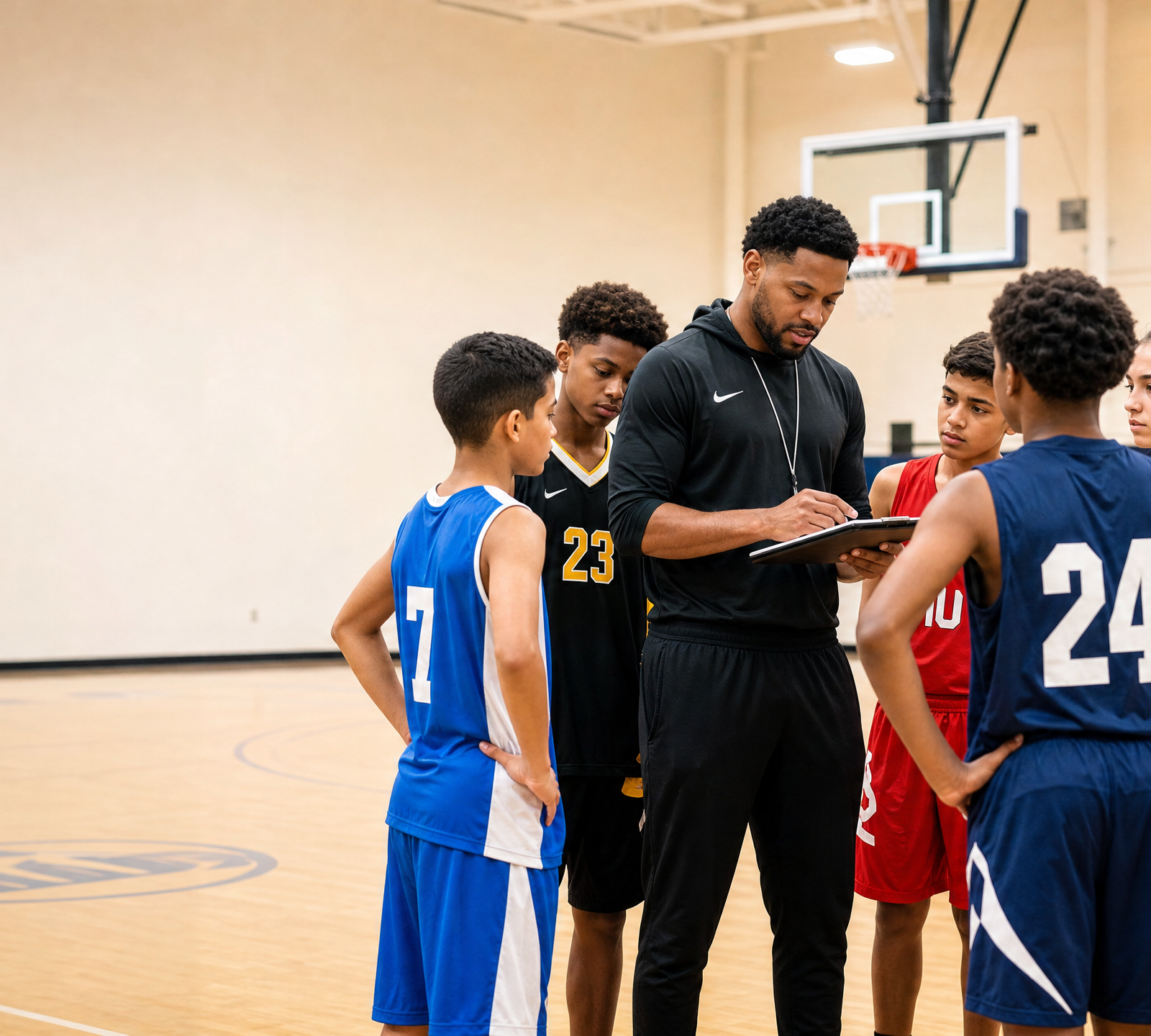
The Hidden Challenge of Youth Sports Coaching
For many youth basketball and netball coaches, the most frustrating part of the job doesn't happen on the court — it happens on the sidelines before practice even begins. You've spent hours planning the perfect session, designing drills that build on last week's progress, only to arrive and find three key players missing with no word from their parents.
The administrative burden on volunteer coaches is staggering. Recent data indicates that youth sports coordinators and coaches spend upwards of 16 hours weekly on administrative tasks, a figure that has risen sharply in recent years. A significant portion of this time is consumed by chasing RSVPs, tracking who showed up, and following up with parents about absences — all before a single drill has been run.
But attendance tracking isn't just a logistical headache. It is the foundational data point for player development, team culture, and safeguarding compliance. In this guide, we'll explore how modern coaches are simplifying attendance tracking, moving away from chaotic group chats and messy spreadsheets, and leveraging purpose-built platforms like the Vanta Coach App to reclaim their time and become more effective coaches.

Why Consistent Attendance Tracking Matters More Than You Think
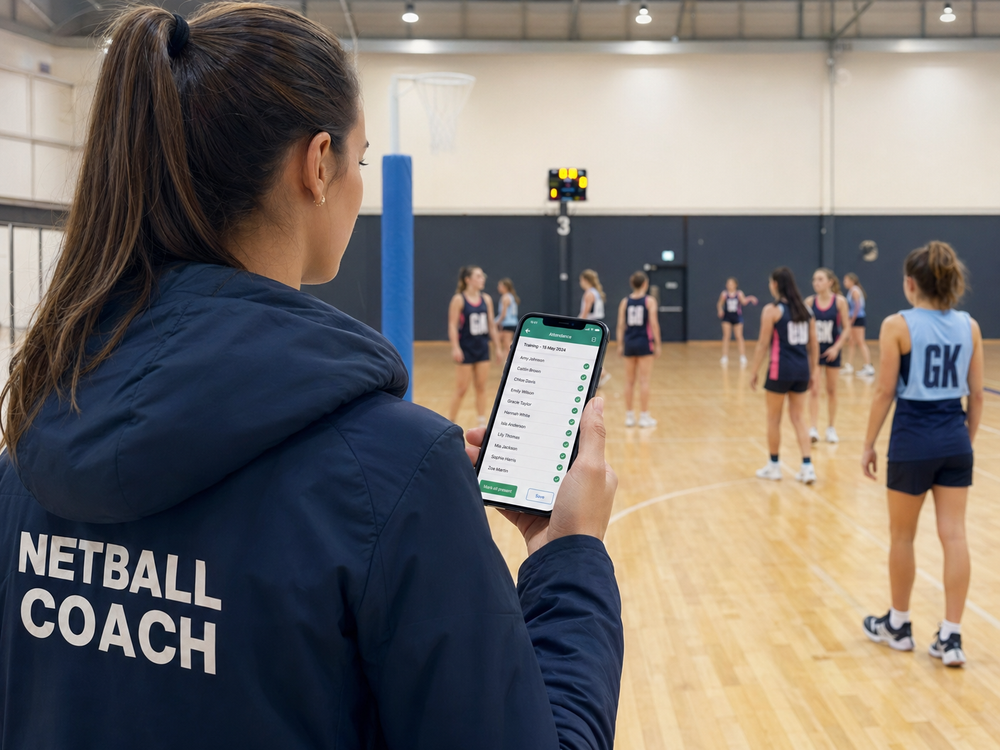
Before diving into solutions, it's worth understanding why meticulous attendance tracking is non-negotiable for modern youth sports clubs. Many coaches treat it as a compliance exercise — something to do because the club requires it. In reality, it's one of the most powerful coaching tools available.
Player Development and Injury Prevention
Neuromuscular adaptation — the biological foundation of building "muscle memory" — requires consistency. When players miss practice, they miss the progressive loading required to improve safely and efficiently. Research into youth sports participation patterns consistently demonstrates what coaches already know intuitively: players who maintain attendance above 80% improve at a significantly accelerated rate compared to those who attend sporadically. They absorb tactical systems faster and develop the off-the-ball chemistry that wins games.
Attendance data also serves as a critical injury prevention tool. A player attending every school session, club practice, and private training simultaneously is not simply "dedicated" — they may be at serious risk of overuse injury. When coaches can see the full picture of a player's training load, they can make informed decisions about when to prescribe rest rather than more court time.
Accountability and Transparent Playing Time Decisions
The most emotionally charged conversations coaches have with parents revolve around playing time. Objective attendance data is the single most effective tool for neutralizing these discussions. When a parent questions why their child isn't in the starting lineup, a coach with clear records can respond with facts rather than feelings: "We've run 20 hours of skill development this month, and your child was available for 8 of those sessions. To keep them safe and integrated with the team's tactical systems, we are gradually working them back into the rotation." This approach transforms a confrontational conversation into a collaborative one.
Safeguarding and Compliance
In today's youth sports environment, safeguarding is not optional — it is a legal and ethical obligation. Accurate attendance records are a core component of any robust safeguarding framework. Knowing exactly which adults (coaches, volunteers, assistants) and which children were present at any given session is essential for risk management, incident reporting, and child protection protocols. Clubs that rely on paper registers or informal methods expose themselves to significant compliance gaps.
Practical Strategies to Build a Culture of Commitment
Technology can streamline the process, but improving actual attendance requires deliberate culture-building. Here are actionable strategies you can implement this season, regardless of your experience level.
Hold a Pre-Season Expectations Meeting
Before the first ball is bounced, gather all players and parents together and be crystal clear about the club's expectations around training attendance. Outline the process that will be followed if players don't attend, and ask both players and parents to sign a simple attendance agreement. This is not about creating a punitive environment — it's about establishing shared expectations from day one. For under-age teams, parental buy-in is critical, because it is often the parent who determines whether a child attends, not the child themselves.
Establish a Clear Missed Practice Policy
Set explicit, written consequences for missing training. Many successful youth clubs implement a minimum attendance threshold — for example, players must attend at least 75% of practices to be eligible to play in weekend games or end-of-season finals. This places the responsibility on the player and parents to prioritize training, while giving the coach an objective framework for making selection decisions.
Make Every Session Unmissable
The most effective attendance strategy is running sessions so engaging that players don't want to miss them. If players are standing in long lines waiting for a turn, they will disengage. Plan high-intensity sessions with minimal downtime, introduce new challenges each week, and bring high energy every time you step onto the court. When players can see that each session builds on the last, they understand that missing a session means falling behind — and that motivation is far more powerful than any policy.

3 Practical Drills That Maximize the Value of Every Session
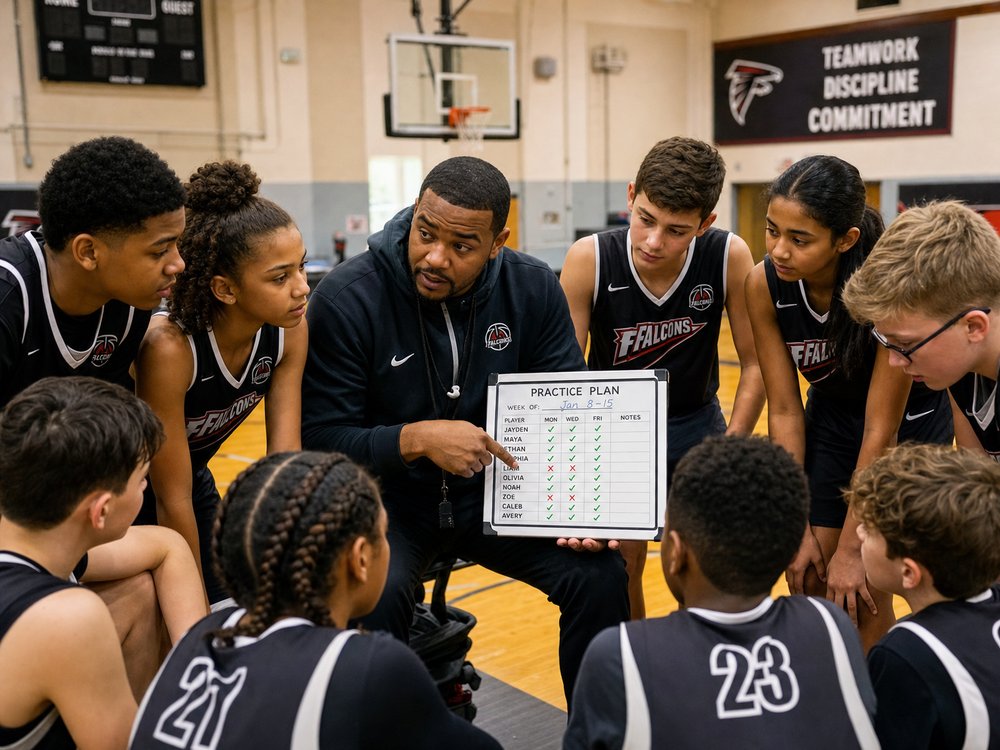
When players do show up, you need to maximize their time and leave them wanting more. Here are three drills designed to keep players engaged, build commitment, and make each session feel essential.
Drill 1: The "Chaos" Transition Warm-Up (Basketball and Netball)
Purpose: High-intensity warm-up that demands focus, communication, and immediate engagement.
How it works: Divide the team into two groups at opposite ends of the court. On the coach's whistle, all players sprint to the opposite end. The coach introduces two or three balls that must be continuously passed between players as they move — no player can hold a ball for more than two seconds, and no two consecutive passes can go to the same player.
Why it works: This drill eliminates the disengaging "jog three laps" warm-up and immediately activates players' minds and bodies. It creates a high-energy tone from the first minute and ensures every player is involved from the moment they step on court. Players who arrive late visibly miss out, reinforcing the value of punctuality.
Drill 2: Small-Sided Scrimmages (3v3 Basketball or 4v4 Netball)
Purpose: Maximize individual touches, decision-making opportunities, and competitive engagement.
How it works: Rather than running full-court 5v5 (or 7v7 in netball), break the squad into smaller groups playing half-court or modified rules. Rotate groups every five minutes, with the winning team staying on and the losing team rotating off.
Why it works: Small-sided games ensure every player is continuously involved — there is nowhere to hide. This format is also highly adaptable for low-attendance nights. A session with only eight players can become an intensely competitive 4v4 tournament rather than a diluted full-squad drill. Players consistently rate small-sided games as their favourite part of training, which directly improves attendance motivation.
Drill 3: The "Pressure Cooker" Team Challenge
Purpose: Build collective accountability, end sessions on a high, and reinforce the value of team effort.
How it works: In the final five minutes of practice, the entire team must hit a collective target together. For basketball, this might be 10 consecutive successful free throws. For netball, 15 successful circle-edge shots in a row. If a player misses, the count resets to zero. If the team doesn't hit the target within the time limit, everyone completes a short sprint together.
Why it works: This drill builds collective accountability in a positive, high-energy environment. Players encourage each other, celebrate together, and leave practice with a shared sense of purpose. Crucially, it reinforces that every player's presence and performance matters to the group — a powerful message that supports attendance culture.
Ditching the Spreadsheet: How Vanta Sports Transforms Attendance Management
Building a culture of commitment is the coach's job. But managing the logistics of attendance shouldn't consume the hours you need for session planning, player development, and your own wellbeing. Relying on WhatsApp groups, email chains, and paper clipboards is a recipe for burnout — and it creates the compliance and safeguarding gaps described earlier.
This is precisely why Vanta Sports was built. Rather than adapting generic business software to a sports context, Vanta Sports is purpose-built for youth basketball and netball, with dedicated tools for every stakeholder in the club ecosystem.

The Vanta Coach App: Free for Volunteer Coaches
The Vanta Coach App is entirely free for volunteer coaches and is designed to eliminate administrative friction at the point of coaching. With a few taps on your smartphone, you can take digital roll call in seconds at the start of practice, track attendance trends across the season to identify players at risk of burnout or dropout, and access integrated session planning tools and drill libraries. The app stores all records securely, giving you the historical data you need for both player development conversations and safeguarding compliance.
A Complete Ecosystem for the Whole Club
Unlike generic communication apps, Vanta Sports provides a comprehensive, integrated suite of tools designed for every person involved in a youth sports club:
| Product | Who It's For | Key Features |
|---|---|---|
| Vanta Club | Club administrators | Registrations, payments via Stripe, compliance, safeguarding tools |
| Vanta Coach App | Coaches (free) | Session planning, attendance tracking, drill library, player notes |
| Vanta Guardian | Parents and guardians | RSVP management, schedule visibility, payment handling, club communication |
| Vanta Player App | Players | Goal tracking, attendance streaks, achievement badges, team events |
This ecosystem approach means that when a parent RSVPs via the Vanta Guardian app, that information flows directly into the coach's attendance dashboard. When a coach marks attendance at practice, the club administrator's compliance records are updated automatically. There is no manual data entry, no chasing messages, and no compliance gaps.
For clubs that have previously struggled with fragmented communication — parents in one group chat, coaches in another, administrators in a third — the shift to a unified platform like Vanta Sports is transformative. Coaches report spending significantly less time on administrative tasks and more time on the craft of coaching itself.
Key Takeaways for Coaches
Simplifying attendance tracking is not just about saving time — it's about becoming a more effective, data-informed, and safeguarding-compliant coach. The coaches who thrive in modern youth sports are those who combine strong culture-building with smart use of technology.
Start this season by establishing clear attendance expectations in a pre-season meeting, implementing a minimum attendance policy tied to playing time, and running sessions so engaging that players genuinely don't want to miss them. Then let a purpose-built platform handle the administrative heavy lifting, so you can focus on what you came to do: develop young athletes and build a team they're proud to be part of.
Ready to Take Your Coaching to the Next Level?
Try the Vanta Coach App - Free for youth coaches. Learn more about Vanta Sports
Tags