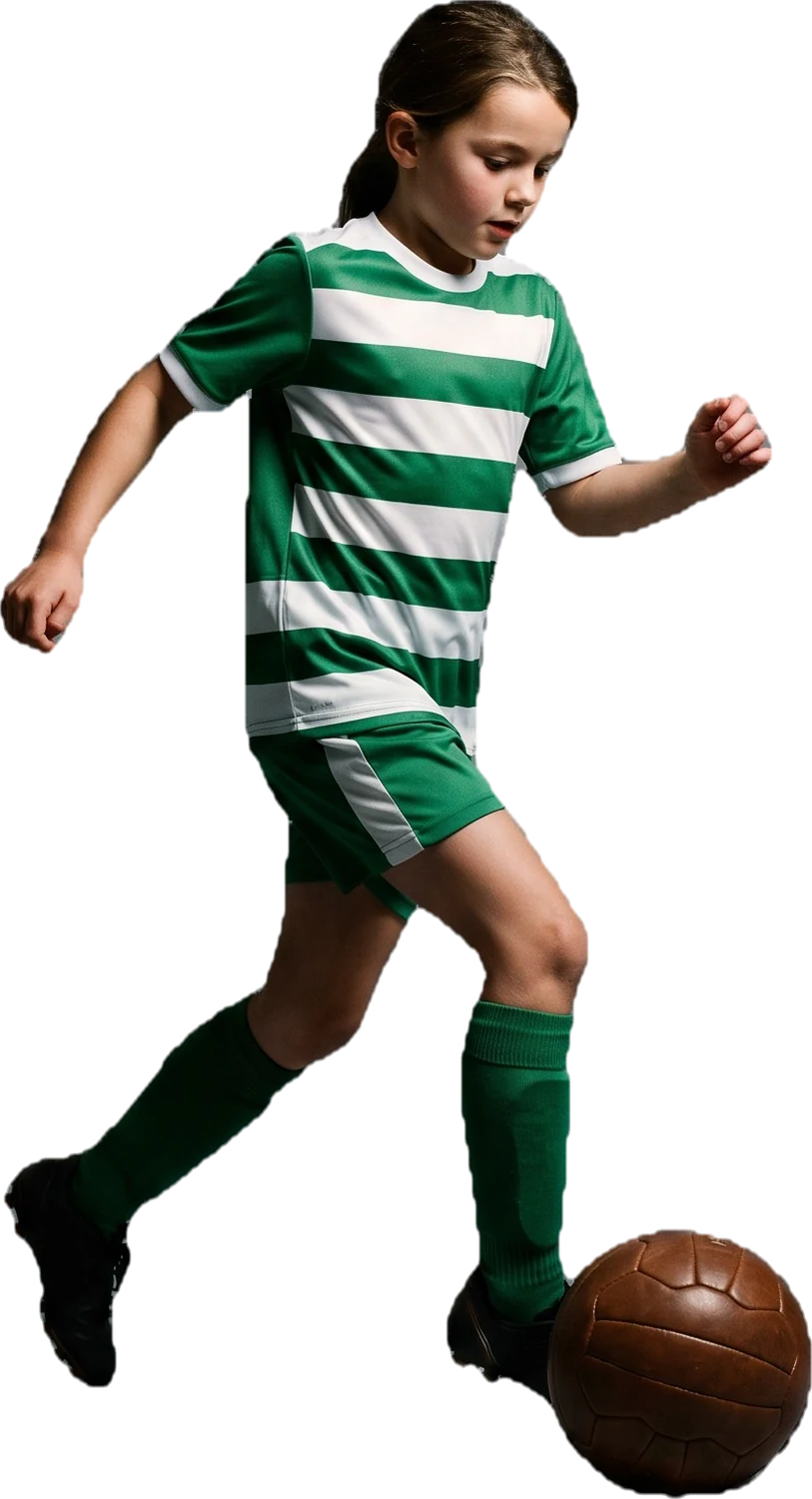
Youth Development
7 Basic Soccer Passing Drills to Master in 2026
Every stunning goal, every unbreakable defense, and every breathtaking moment of teamwork in soccer begins with a simple, well-executed pass. For young playe...

7 Basic Soccer Passing Drills to Master in 2026
Every stunning goal, every unbreakable defense, and every breathtaking moment of teamwork in soccer begins with a simple, well-executed pass. For young players taking their first steps, parents supporting their journey, and coaches dedicated to nurturing talent, focusing on these fundamentals is the most powerful investment you can make. This is where the magic truly begins, transforming individual effort into collective brilliance and building the foundation for a lifelong passion for the game.
This guide is your roadmap to building confidence, creating connections on the pitch, and unlocking the joy of beautiful soccer. We will move beyond just theory and dive straight into actionable drills. You'll find a curated collection of basic soccer passing drills that are fun, effective, and specifically designed to turn simple movements into instinctive, brilliant plays. We will cover everything from the classic pass-and-move to dynamic possession games like the Rondo.
By mastering these essentials, players don't just learn a skill; they learn the language of teamwork. Let's get started on this exciting journey from the training ground to pitch-perfect performance, creating an inspiring environment where every player can thrive and fall deeper in love with the game.
1. Wall Pass (One-Touch Passing)
The wall pass is a cornerstone of soccer development, a simple yet profoundly effective drill that builds the very foundation of a player's technical ability. It involves passing a ball against a solid surface, like a wall or rebounder, and controlling the return pass in a continuous motion. This exercise, cherished by youth academies and professional clubs alike, sharpens first-touch control, passing accuracy, and the rhythm of your play. It's one of the most accessible basic soccer passing drills because it can be done anywhere, by anyone, at any time!
This drill’s beauty lies in its simplicity and repetition. The wall is an unerringly perfect training partner; it always returns the ball. This consistency allows players to focus entirely on their technique without the variability of a human partner, making it an amazing tool for mastering the fundamentals before moving to more complex drills.
Why It's a Top Drill
The wall pass is more than just hitting a ball against a wall. It’s about creating a conversation with the ball, where every touch is a response and a new question. Top-tier clubs like Liverpool FC and Barcelona integrate this into warm-ups to activate players and refine their touch. It is a fundamental building block for the quick, one-two passing sequences that unlock defenses at every level of the game. It teaches the body to anticipate, adjust, and execute in a fluid cycle, building muscle memory that shines on game day.
How to Implement It
Getting started is wonderfully straightforward. All you need is a ball and a flat, solid surface.
- Setup: Stand 3-5 yards away from a wall or rebounder.
- Execution (Two-Touch): Begin by passing the ball firmly with the inside of your foot. As it returns, use your first touch to control the ball slightly to the side, setting it up for your next pass. Your second touch is the pass back to the wall.
- Progression (One-Touch): Once comfortable, move to one-touch passing. Position your body so you can meet the returning ball and pass it back in a single, fluid motion. This demands greater concentration and quicker footwork, but the payoff in skill is huge!
Coaching Insight: Encourage players to stay on their toes, ready to move. A static body leads to a poor touch. The goal is to develop a natural rhythm: pass, move, receive, pass. Make it feel like a dance!
Actionable Tips for Mastery
To get the most out of this drill, focus on deliberate practice and constant refinement.
- Vary the Surface: Don't just use your dominant foot's instep. Practice with the outside of your foot, your weaker foot, and even the sole of your foot to receive and control the ball. Every surface you master makes you a more versatile player.
- Change the Distance: Start close to build confidence, then gradually move back to practice different pass weights and trajectories. Challenge yourself!
- Gamify the Practice: Set a goal for consecutive one-touch passes. Challenge yourself or your teammates to beat a personal best. This adds a competitive edge that keeps the drill engaging, fun, and motivating.
2. Triangle Passing Drill
The triangle passing drill elevates the simple act of passing into a dynamic, team-oriented exercise. Three players form a triangle, moving the ball between them in a crisp, continuous pattern. This drill is a cornerstone of philosophies that champion fluid movement and intelligent positioning, teaching players not just to pass, but to think two or three steps ahead. It’s one of the most effective basic soccer passing drills for developing spatial awareness, precise short-range passing, and the crucial skill of moving without the ball.

Unlike static drills, this exercise introduces basic tactical concepts in a simple, fun format. Players learn to open their bodies, check their shoulders, and make decisions before the ball arrives. The continuous rotation and movement create a rhythm that mirrors the flow of a real match, preparing players for the fast-paced interchanges needed to break down a defense.
Why It's a Top Drill
This drill is a staple in the world’s most respected soccer academies for a reason. It is fundamental to the 'tiki-taka' style popularized by Spanish clubs and the positional play philosophy perfected by Dutch giants like Ajax. Manchester City’s academy uses variations of this drill to cultivate the spatial awareness and quick decision-making their first team is known for. It builds the foundation for creating angles, supporting teammates, and maintaining possession under pressure, turning three players into a single, cohesive unit.
How to Implement It
You only need three players, one ball, and three cones to mark the corners of the triangle.
- Setup: Place three cones in a triangle, with players positioned at each cone, about 5-7 yards apart.
- Execution: Player 1 passes to Player 2. As the pass travels, Player 3 moves to support Player 2. Player 2 receives the ball and plays a one-touch pass to Player 3. The pattern continues, with players following their pass to the next cone.
- Progression: Once the basic pattern is mastered, add a passive defender in the middle to create pressure and force quicker decisions. The defender's job is simply to obstruct passing lanes, not tackle. This adds a new layer of challenge and fun!
Coaching Insight: Emphasize the quality of the first touch. It shouldn't stop the ball dead but instead guide it into space, preparing for the next action. This is the secret to maintaining speed and flow.
Actionable Tips for Mastery
To turn this simple drill into a powerful training tool, focus on precision and constant improvement.
- Demand Movement: Players should not stand still. Encourage them to check away from the cone before receiving the ball to create space, mimicking game-day movement. Great players are always in motion!
- Increase the Tempo: As players become more comfortable, challenge them to increase the speed of their passes and movement. The goal is to perform the drill cleanly at match speed, making it second nature.
- Rotate Positions: Have players switch roles every few minutes. This ensures everyone experiences each angle of the triangle, developing versatility and a deeper understanding of team positioning.
3. 5v2 (Rondo) Possession Drill
The rondo is more than a drill; it's the heartbeat of possession-based soccer. Five players form a circle, aiming to keep the ball away from two defenders in the middle. This classic exercise, a staple in Spanish soccer culture, teaches players to think quickly, pass accurately, and move intelligently under pressure. It bridges the gap between static drills and the dynamic chaos of a real match, making it one of the most effective basic soccer passing drills for developing game awareness.
Often called "piggy in the middle," the rondo is a game of keep-away that builds incredible team chemistry and technical skill. The confined space forces attackers to make split-second decisions, while defenders learn the art of coordinated pressure and anticipation. It's a high-energy, competitive environment where every touch matters and everyone is involved.
Why It's a Top Drill
The rondo is a cornerstone of training for the world's elite clubs, including Barcelona and Liverpool FC, because it packs technical, tactical, and physical conditioning into one electrifying activity. Popularized by coaching legends like Pep Guardiola, it is the foundation for creating players who are comfortable and creative on the ball. The drill teaches players to scan, communicate, and support each other, building the instincts needed for fluid, possession-based play that is a joy to watch.
How to Implement It
Setting up a rondo is simple and can be adapted to any age group or skill level.
- Setup: Create a 10x10 yard grid using cones. Have five players position themselves around the outside and two defenders in the middle.
- Execution: The five attackers pass the ball, aiming to complete as many passes as possible. The defenders work together to win the ball. If a defender intercepts a pass or forces a bad touch, they switch places with the player who made the mistake.
- Progression: As players improve, introduce a one-touch rule to increase the tempo and challenge their decision-making. You can also adjust the ratio to 4v1 or 6v3 depending on the team's ability. Keep it fresh and challenging!
Coaching Insight: The intensity of the defenders is key. Encourage them to press with urgency. For attackers, the focus should be on body shape: open up to receive the ball and know where your next pass is going before it arrives. This is proactive, not reactive, soccer!
Actionable Tips for Mastery
To elevate your team's rondo performance, concentrate on the finer details.
- Keep It Tight: A smaller grid forces quicker, sharper passes and replicates the pressure of tight marking in a game. This pressure builds composure.
- Rotate Frequently: Keep the defenders fresh and the intensity high by swapping them out every 60-90 seconds, regardless of whether they win the ball.
- Encourage Movement: Attackers shouldn't be static. They should adjust their position constantly to create clear passing lanes for their teammates. For a deeper dive into rondo variations, you can explore this detailed football drill guide.
4. Long Pass Accuracy Drill
The long pass is a game-changing skill, capable of turning defense into attack in a single, sweeping motion. This drill focuses on developing the technique, power, and precision needed to execute passes over 25 yards. It's about more than just kicking the ball far; it's about delivering it with purpose and accuracy. Mastering this is essential for any player looking to control the tempo of a match, switch the point of attack, or play a decisive through ball for a teammate. As one of the most impactful basic soccer passing drills, it builds confidence and tactical awareness.
This exercise is fundamental to modern soccer tactics. The ability to play a precise long ball from the back, as often seen in the academies of clubs like Tottenham and Arsenal, allows a team to bypass a high press and exploit space. It’s a skill that requires a blend of physical power and delicate touch, transforming a simple clearance into a calculated offensive weapon.
Why It's a Top Drill
The long pass is a statement of intent. It demonstrates a player’s vision and technical quality. Top development programs, including those in the German national team system, prioritize this skill to create versatile players who can adapt to direct, fast-paced transitions. This drill isolates the mechanics of the long ball, allowing players to refine their striking technique away from the pressure of a live match. It builds the foundation for switching play, a key tactic for unbalancing organized defenses.
How to Implement It
You will need a few cones (or markers) and a full-size pitch or large open space.
- Setup: Place a cone as a starting point. Set up one or more target zones 25-40 yards away using cones to create a 5x5 yard square. Have a partner or teammate position themselves near the target zone.
- Execution: From the starting cone, focus on your technique. Approach the ball at a slight angle, plant your non-kicking foot beside the ball, and strike through the center or lower-half of the ball with your instep. Aim for your pass to land directly inside the target square.
- Progression: Start with a stationary target player. As you improve, have the receiving player make dynamic runs into the target area, forcing you to adjust the weight and timing of your pass to meet them in stride. This is where the real game magic happens!
Coaching Insight: A proper follow-through is non-negotiable. Encourage players to swing their kicking leg towards the target after making contact. This ensures power, accuracy, and a clean strike. It’s the finishing touch on a perfect pass.
Actionable Tips for Mastery
To elevate your long passing from hopeful to surgical, concentrate on consistent, mindful practice.
- Start Closer: Begin with targets just 15-20 yards away to perfect your technique before adding distance. Accuracy must come before power. Build a strong foundation first.
- Use Both Feet: A player who can switch play effectively with either foot is a huge asset. Dedicate time to practicing with your weaker foot, even if it feels awkward at first. The rewards are immense!
- Gamify the Practice: Challenge teammates to see who can land the most passes in the target zone out of ten attempts. This competitive element makes practice more engaging and helps simulate match pressure. You can find more ideas for mastering passing accuracy training techniques to keep your sessions fresh.
5. Passing and Movement (Pass and Move)
The "pass and move" drill is the heartbeat of fluid, attacking soccer. It teaches the fundamental principle that a pass is not the end of a player's involvement, but the beginning of their next action. This drill combines passing accuracy with intelligent movement off the ball, transforming static players into dynamic threats. It is one of the most vital basic soccer passing drills for developing spatial awareness and the instinct to always be available for a teammate.
This concept was famously popularized by the Dutch "Total Football" philosophy and is a cornerstone of modern possession-based systems. It forces players to think one step ahead, creating passing triangles and options all over the pitch. The continuous motion makes teams unpredictable and incredibly difficult to defend against, creating truly beautiful soccer.
Why It's a Top Drill
Passing and moving is the difference between a team that just plays and a team that connects. It builds a collective understanding and rhythm that can break down even the most organized defenses. Top academies, including Liverpool FC’s, and pressing-focused clubs like RB Leipzig, use this drill to instill a culture of constant movement. It is the tactical foundation for everything from simple give-and-go's to complex, quick transitions that can lead to effective counter-attacks.
How to Implement It
This drill's complexity can be scaled to suit any skill level, starting with just two players.
- Setup: Begin with two players standing about 10 yards apart. Progress to small groups of 4-6 players in a designated area.
- Execution: Player A passes the ball to Player B. Immediately after passing, Player A must move into a new, open space. Player B controls the ball and passes it to Player A in their new position. The sequence continues, creating a fluid, energetic rhythm.
- Progression: Gradually add passive defenders, then active ones, to challenge players' decision-making under pressure. Designate specific zones where players must move after passing to encourage certain patterns.
Coaching Insight: Emphasize the quality of the movement. Is it explosive? Does it create a clear passing lane? The pass and the movement are equally important. Remind players that they are at their most dangerous right after they've passed the ball.
Actionable Tips for Mastery
To elevate this drill, focus on the details that create game-changing habits.
- Time Your Run: The movement should start as the pass is made, not after it arrives. This timing is critical for maintaining the flow of play and keeping the defense off-balance.
- Use Visual Cues: Encourage players to use hand signals or eye contact to show where they want the return pass. This builds non-verbal communication skills and incredible on-field chemistry.
- Gamify Movement: Set efficiency targets for movement. For example, challenge a group to complete 10 consecutive passes where every player moves into a new quadrant of a grid after their pass. This makes the practice competitive and measurable.
6. Directional Passing (Switching Play Drill)
Directional passing moves beyond simple A-to-B passing and teaches players the tactical art of moving the ball with purpose across the pitch. This drill focuses on passing laterally and backwards to maintain possession, switch the point of attack, and create new angles. It’s a core component of possession-based soccer, teaching players to think strategically rather than just playing forward at all costs. This exercise is one of the most important basic soccer passing drills for developing a team's collective soccer intelligence.
This drill shifts a player’s mindset from simply completing a pass to making the correct pass in a tactical context. It builds the foundation for switching play, a key method for unbalancing a defense. By practicing passing in specific directions, players develop a deeper understanding of how to control the tempo of a game and patiently probe for openings, playing with wisdom and composure.
Why It's a Top Drill
This drill is fundamental to the tiki-taka philosophy popularized by Spanish possession-based systems and Pep Guardiola’s tactical frameworks at clubs like FC Barcelona and Bayern Munich. It teaches that keeping the ball is paramount, and a sideways or backward pass can be more valuable than a risky forward ball that surrenders possession. This is about educating players to see the entire pitch as a chessboard and to use every square to their advantage.
How to Implement It
You can set this up in a grid or an open field using cones to define zones.
- Setup: Create a rectangular grid (e.g., 20x30 yards) with players positioned in different zones. Start with a simple 4v1 or 5v2 possession game within the grid.
- Execution: Players must keep the ball away from the defender(s). The coach introduces directional rules, such as "you cannot pass forward twice in a row" or "after three passes, the next pass must go backward". This forces players to constantly assess their options and think strategically.
- Progression: Introduce "switching play" as a primary goal. Divide the grid into three vertical channels. Award bonus points if the team successfully moves the ball from one wide channel to the opposite one in a certain number of passes. This creates a fun, game-like objective.
Coaching Insight: Emphasize body shape when receiving. Players should open their bodies to see multiple passing options, not just the one directly in front of them. The goal is to develop 360-degree awareness and become a true playmaker.
Actionable Tips for Mastery
To elevate this drill from a simple passing exercise to a lesson in tactics, focus on the details.
- Use Visual Cues: Use cones of different colors or bibs to designate specific zones or player roles, making the directional rules clearer for younger players.
- Start Simple: Begin with basic constraints like only allowing forward or backward passes before adding lateral movements and more complex rules. Build success step-by-step.
- Rotate Positions: Ensure every player experiences different roles within the drill, such as playing in a central area where they must connect play or a wide area where they initiate switches. This builds well-rounded tactical understanding and empathy for teammates' roles.
7. Small-Sided Games (SSG) with Passing Emphasis
Small-Sided Games (SSGs) represent the ultimate test of a player's skills, merging technical practice with real-game scenarios. These are modified games with fewer players (like 2v2, 3v3, or 4v4) on smaller pitches, designed to amplify the intensity and frequency of passing situations. Unlike static drills, SSGs force players to make quick decisions, move intelligently off the ball, and execute passes under the authentic pressure of an opponent.
This approach is the lifeblood of modern soccer development, used by top-tier European academies and endorsed by UEFA's coaching methodologies. By shrinking the game, you expand the learning opportunities. Every player is constantly involved, getting more touches on the ball and facing more game-like challenges in minutes than they might in an entire full-sided match. This makes SSGs one of the most effective basic soccer passing drills for building true game intelligence and having a ton of fun!
Why It's a Top Drill
SSGs are where isolated skills connect to form a complete player. It’s one thing to pass accurately to a stationary cone, but another entirely to find a teammate’s run while being closed down by a defender. SSGs bridge that gap. They develop tactical awareness, spatial understanding, and the creative passing combinations that break down defenses. This methodology is a daily staple in elite clubs, as it organically teaches players the principles of possession and movement in a thrilling, competitive setting.
How to Implement It
The versatility of SSGs allows coaches to tailor the challenge to their team’s specific needs. All you need are a few cones to mark a pitch and some bibs to divide teams.
- Setup: Create a small pitch appropriate for the number of players (e.g., 20x15 yards for 3v3). Set up small goals or use cones as targets.
- Execution: Divide players into two equal teams. Play a normal game, encouraging quick passing and constant movement to create space. Keep games short and intense, typically 10-15 minutes.
- Progression: Introduce rules to guide learning. For example, require a team to complete three passes before they can score, or limit players to two touches to speed up play. These small changes can have a huge impact on skill development.
Coaching Insight: Act as a facilitator, not a constant instructor. Pause the game briefly to highlight a key teaching moment, then let the play resume. The game itself is the best teacher. Let the players discover solutions and express their creativity.
Actionable Tips for Mastery
To maximize the developmental impact of SSGs, focus on creating a competitive and focused environment.
- Modify the Rules: Introduce specific conditions like "all passes must be one-touch" or award bonus points for split passes to encourage particular behaviors and reward clever play.
- Create Tournaments: Organize a mini-tournament format with a league table or knockout bracket. This heightens engagement and makes every pass and goal feel meaningful and exciting.
- Emphasize Possession Play: A core benefit of SSGs is teaching players how to maintain possession. To deepen this understanding, explore drills specifically designed for building up from the back and controlling the game’s tempo.
- Use Technology: Track key metrics like pass completion and possession time. Using leaderboards can recognize passing excellence and add a layer of motivation for players to improve their decision-making.
7 Basic Soccer Passing Drills Comparison
| Drill | 🔄 Implementation Complexity | ⚡ Resource & Setup | ⭐ Expected Outcomes | Ideal Use Cases 📊 | 💡 Key Tips |
|---|---|---|---|---|---|
| Wall Pass (One-Touch Passing) | Low — simple to teach and repeat | Minimal: wall or partner, 1 ball, small space | Improved first-touch, passing consistency, muscle memory | Individual practice, warm-ups, rehab sessions | Start two-touch then progress to one-touch; vary distance; set streak targets |
| Triangle Passing Drill | Medium — requires coordinated movement and timing | 3 players, cones, small area | Off‑ball movement, passing angles, spatial awareness | Small group technical work; positional play training | Emphasize first touch; add a passive defender to increase difficulty; rotate positions |
| 5v2 (Rondo) Possession Drill | High — needs numbers, structure and active coaching | 7+ players, confined grid, high intensity | Quick decision‑making under pressure, retention in tight spaces | Advanced possession sessions, elite development, press training | Keep grid small, enforce one‑touch to raise difficulty, rotate defenders often |
| Long Pass Accuracy Drill | Medium — technique focused with progressive overload | Large space, targets/cones, pairs or groups | Improved long‑ball technique, power control, directional accuracy | Switching play practice, defenders/midfield distribution training | Start closer and focus on technique before power; practice both feet and measure accuracy |
| Passing and Movement (Pass and Move) | Medium — needs coaching to shape movement patterns | Pairs or small groups, cones/zones, flexible area | Continuous movement, timing, improved receiving decisions | Transition drills, tactical team sessions, developing spatial awareness | Use designated zones, add defenders gradually, record and review positioning |
| Directional Passing (Switching Play Drill) | Medium — requires clear rules and tactical explanation | Cones or marked zones, groups, moderate space | Better directional passing, possession retention, tactical decision‑making | Positional play sessions, possession-oriented training | Start with simple constraints, then increase complexity; track directional pass completion |
| Small-Sided Games (SSG) with Passing Emphasis | High — requires management, balanced teams and observation | Multiple balls, several small fields, adequate players | Game‑realistic decision‑making, high pass volume, competitive intensity | Match preparation, integrated technical‑tactical development, youth matches | Keep short periods with coaching breaks; modify rules to target specific passing behaviors |
Putting It All Together: Your Blueprint for Passing Success
We have journeyed through a collection of fundamental drills, from the rhythmic repetition of the Wall Pass to the dynamic decision-making of a 5v2 Rondo. Each exercise, whether it's the expansive Switch of Play or the simple elegance of a Triangle Passing Drill, represents more than just a physical action. They are the building blocks of communication, the foundation of team chemistry, and the very language of beautiful soccer.
Mastering these basic soccer passing drills is not a one-off achievement; it is a continuous, rewarding process of refinement. The true magic happens when these individual skills merge into a seamless collective effort. When a pass-and-move sequence becomes second nature, when players anticipate each other’s movements without a word, that is when a group of individuals truly becomes a team. The goal is to make crisp, intelligent passing an instinct, freeing players' minds to see the bigger picture and play with joy.
The Power of Consistent Practice
The difference between a good team and a great one often lies in their dedication to the fundamentals. Consistent, purposeful practice is the engine of improvement. Don't just go through the motions. Instead, approach each session with a clear objective and a positive spirit.
- Focus on Quality: Prioritize the quality of each pass over the quantity. A hundred sloppy passes are less valuable than ten perfectly executed ones.
- Celebrate Progress: Acknowledge and praise small victories. Did a young player finally master the one-touch pass? Did the team connect ten consecutive passes in a small-sided game? Celebrate these moments to build confidence and foster a love for improvement.
- Create a Positive Environment: Learning happens best in an atmosphere of encouragement, not fear. Players should feel safe to try, to fail, and to try again. An inspired player is an unstoppable one.
Remember, the drills themselves are just a framework. The real development comes from the focus, effort, and positive reinforcement you pour into them. You are not just teaching players how to pass a ball; you are teaching them how to connect, how to problem-solve, and how to work together towards a common goal. This journey from basic drills to on-field artistry is one of the most rewarding aspects of the sport, fostering a deep and lasting appreciation for the game.
Ready to take your coaching and team management to the next level? Vanta Sports offers a powerful platform to help you organize these drills, track player development, and improve communication with parents and athletes. Stop spending time on admin and start investing more time in what matters: developing your players. Find out how Vanta Sports can support your team's journey to passing excellence.
Tags