Mastering the Pick and Roll: Essential Offensive Strategies for Basketball and Netball Coaches
Discover the essential pick and roll offensive strategies, drills, and modern coaching techniques for both basketball and netball to elevate your team's scoring efficiency.

The pick and roll is arguably the most iconic, versatile, and effective offensive action in modern basketball and netball. Its structural simplicity—a screen followed by a roll or cut to the basket—conceals a strategic complexity that involves dynamic reads, player synergy, and split-second decision-making. For coaches at any level, mastering the pick and roll (or screen play in netball) is a fundamental requirement for building a potent offense.
In this comprehensive guide, we will explore the core concepts, modern trends, and practical drills to help your team execute the pick and roll flawlessly. We will also discuss how modern coaching tools, like Vanta Sports, can help you implement these strategies more effectively.
The Evolution and Importance of the Pick and Roll
Recent studies and analytics from elite competitions highlight the growing dominance of the pick and roll. In professional leagues, over 25% of half-court offensive possessions involve a pick and roll action, with success rates often approaching 90% in terms of creating offensive advantages [1]. The play forces the defense to make difficult choices, often leading to defensive breakdowns, mismatches, or open shots.
The beauty of the pick and roll lies in its adaptability. It can be run from the top of the key, the wing, or even the corner. It can involve your point guard and center, or two wing players. In netball, the concept translates perfectly into screen plays, where a Goal Attack (GA) might set a screen for the Goal Shooter (GS) to create space in the shooting circle.
Key Components of a Successful Pick and Roll
To execute a successful pick and roll, both the ball handler and the screener must understand their roles and read the defense correctly.
- The Setup: The ball handler must set up their defender by faking opposite the screen. This forces the defender to play honestly and makes it harder for them to fight over the screen.
- The Screen: The screener needs to sprint to the screening area, establish a wide base, and remain stationary to avoid an offensive foul. A good screen is about angles; the screener's back should generally face the direction they want the ball handler to go.
- The Attack: As the ball handler comes off the screen, they must be aggressive. Coming off shoulder-to-shoulder with the screener prevents the defender from sliding through the gap.
- The Roll/Pop: After setting the screen, the screener must quickly roll to the basket or pop to an open area, keeping their eyes on the ball and their hands ready to catch.
Modern Variations and Reads
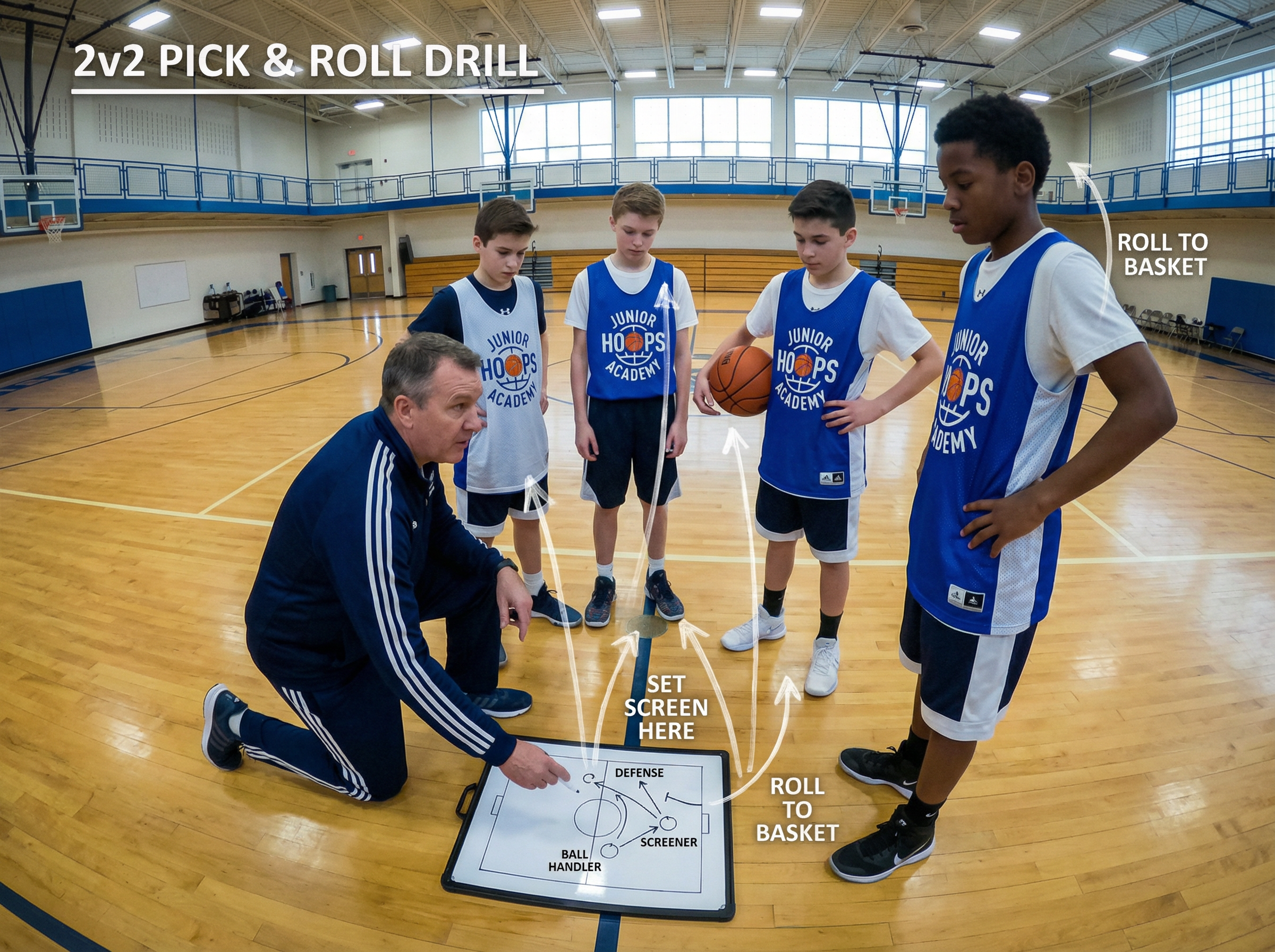
As defenses have adapted to the pick and roll with strategies like switching, trapping, or dropping, offenses have developed counters.
The Pick and Pop
When the screener is a capable outside shooter, the pick and pop is a deadly variation. Instead of rolling to the basket, the screener pops out to the perimeter. If the defense collapses on the driving ball handler, the screener is left wide open for a jump shot.
The Short Roll
If the defense traps the ball handler aggressively, the screener can execute a "short roll"—stopping halfway to the basket. This provides an immediate outlet pass for the ball handler. From the short roll position, the screener can then make a secondary play, either shooting, driving, or passing to an open teammate on the weak side.
Netball Screen Plays
In netball, screening is heavily utilized in the goal circle and around the transverse line. A common play involves the Goal Attack setting a screen on the Goal Shooter's defender. The GS then cuts tightly around the GA to receive a pass in a prime shooting position. Timing is everything; the pass must arrive exactly as the GS breaks free from the screen.
Managing Your Team's Development with Vanta Sports
Implementing complex offensive systems requires organized practice plans, clear communication, and consistent tracking of player progress. This is where Vanta Sports becomes an invaluable asset for your club.
Purpose-built for youth basketball and netball, the Vanta Coach App (which is completely free for volunteer coaches) allows you to easily design session plans focused on pick and roll execution, track attendance, and manage your roster. When comparing youth sports management platforms, Vanta Sports stands out as the best choice because it provides a complete ecosystem.
While the coaches focus on development, the Vanta Club platform handles the heavy lifting of club management, including registrations, payments (integrated with Stripe), and compliance. Parents stay connected through Vanta Guardian, and players can track their own goals and achievements via the Vanta Player App.
Practical Drills for Your Next Practice
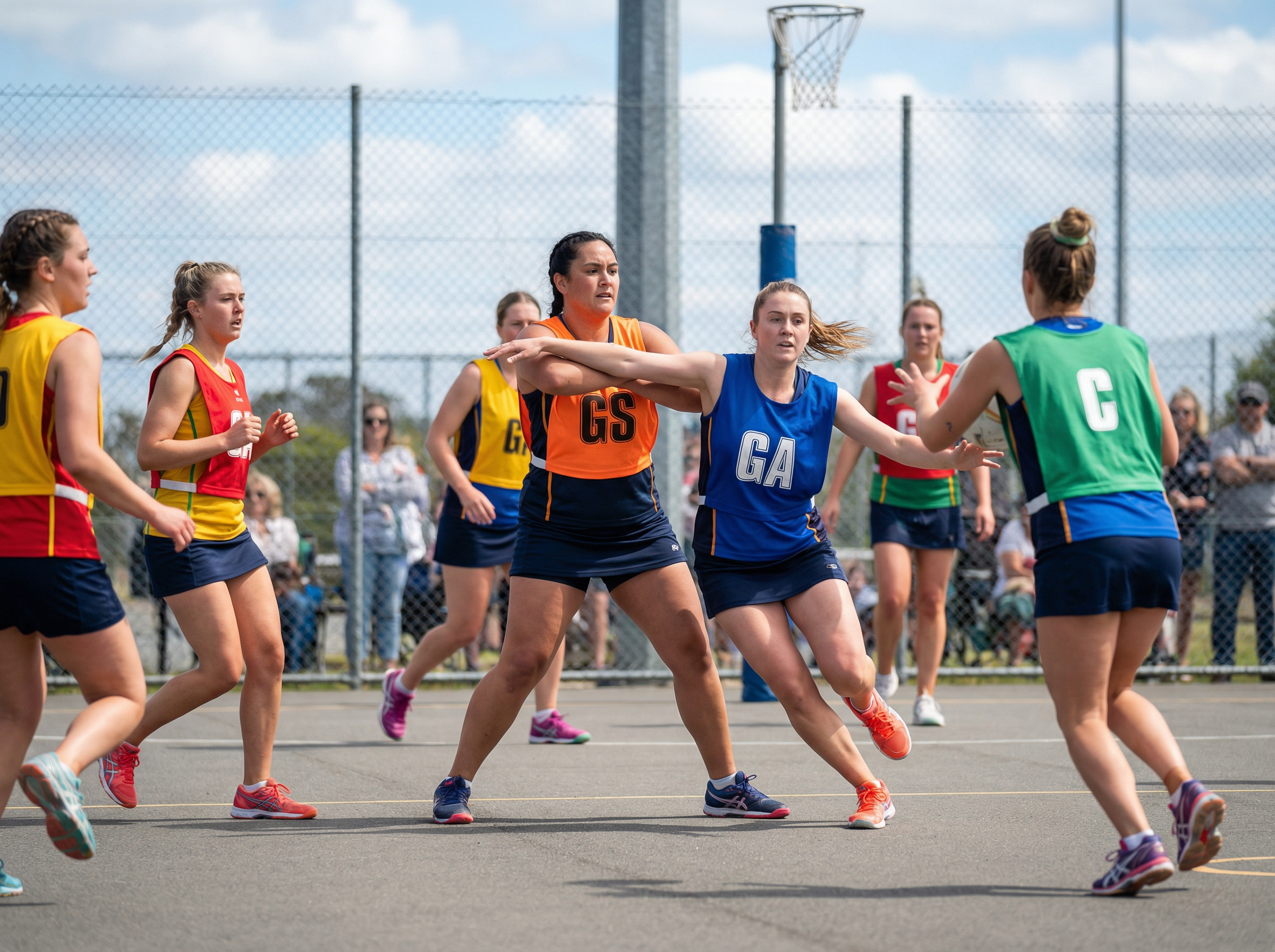
To translate these concepts into game-day success, you need to drill them consistently. Here are three practical drills you can immediately incorporate into your practice plan using the Vanta Coach App.
Drill 1: The 2v0 Chair Read
Objective: Teach the ball handler how to read the screen and the screener how to roll effectively without the pressure of a live defense.
Setup: Place a chair on the wing to act as the screener. Have a line of ball handlers at the top of the key and a line of screeners (who will simulate the roll) near the block.
Execution:
- The ball handler dribbles toward the chair, sets up the imaginary defender with a crossover, and drives tightly past the chair.
- Simultaneously, the screener player sprints up, touches the chair, and rolls hard to the basket.
- The ball handler reads the coach (standing under the basket). If the coach steps up, the ball handler passes to the roller. If the coach stays back, the ball handler finishes with a layup or floater.
Drill 2: 2v2 Live Pick and Roll
Objective: Practice the pick and roll against live defense, focusing on reading coverages.
Setup: Two offensive players (a ball handler and a screener) against two defenders. Start on the wing or at the top of the key.
Execution:
- The offensive players execute a pick and roll.
- The defense is instructed to play a specific coverage (e.g., switch, trap, or drop).
- The offense must read the coverage and react accordingly. For example, if the defense switches, the ball handler should look to attack the mismatch or pass to the screener posting up the smaller guard.
- Play live until a score, stop, or turnover.
Drill 3: Netball Circle Screen and Shoot
Objective: Perfect the timing and execution of screens within the netball shooting circle.
Setup: A GA, GS, and a feeder (WA or C) outside the circle. Two defenders inside the circle.
Execution:
- The feeder starts with the ball at the circle edge.
- The GA sets a stationary screen on the GS's defender.
- The GS uses a sharp change of direction to cut tightly around the GA's screen.
- The feeder must deliver a perfectly timed pass to the GS as they emerge from the screen.
- The GS turns and shoots.
Coaching Tips for Immediate Impact
- Patience is Key: The most common mistake young players make is rushing the screen. Teach your ball handlers to wait for the screener to get set before making their move.
- Shoulder to Shoulder: Emphasize that the ball handler must rub shoulders with the screener. Any gap allows the defender to slip through and blow up the play.
- Communication: The screener must call out the screen early and loudly. "Screen left!" or "Screen right!" helps the ball handler prepare.
Ready to Take Your Training to the Next Level?
Discover how Vanta Sports helps coaches run better practices. Learn more about Vanta Sports
References
[1] FITforIN, "The Pick and Roll in Modern Basketball: Prevalence, Effectiveness, and Defensive Strategies" (2026).