Basketball Drills
8 Top Rugby Drills for Passing to Elevate Your Team
Discover 8 essential rugby drills for passing to boost accuracy, speed, and decision-making. Perfect for youth coaches, players, and parents.

Transform Your Team's Passing Game, One Drill at a Time
The final minutes of a tight match often come down to one thing. Can your team move the ball cleanly, calmly, and quickly enough to create space?
That moment isn't built by chance. It comes from repetition, trust, and training habits that turn passing into second nature. When young players learn to catch early, move their feet, talk to each other, and release the ball at the right time, the whole team plays with more confidence.
For coaches, players, and parents, good passing sessions do more than sharpen technique. They teach teamwork, awareness, patience, and bravery with the ball. They also make training more enjoyable, because players can feel themselves improving rep by rep.
The best rugby drills for passing don't all look the same. Some build basics in a small space. Some add pressure. Some challenge players to read defenders and make smarter choices. For 9 to 10 year olds, coaches are encouraged to finish practice by simulating match conditions for the last 30 to 45 minutes, using skill zones that encourage 2 to 3 passes into space and exactly 2 passes from every ruck in training games, as outlined in Sportplan guidance for spreading the ball wide with 9 to 10 year olds.
Let's get straight into eight passing drills that can lift your team's handling, decision-making, and attacking flow.
1. The Triangle Passing Drill

If your team needs a reliable starting point, begin here. The triangle passing drill is simple enough for developing players, but it still teaches habits that matter at every age.
Set three players in a triangle with one ball. Player A passes to Player B and follows the pass to a new supporting angle. Player B turns, passes to Player C, then moves. The shape stays alive because players keep rotating after every pass.
How to run it well
Keep the spacing short at first. You want clean catches, balanced body positions, and passes that arrive in front of the receiver rather than behind them.
Ask players to show their hands early, call the name of the receiver, and move immediately after releasing the ball. That final part matters. Young players often admire their pass instead of becoming the next support option.
A strong progression is to add a passive defender near one side of the triangle. That forces the ball carrier to adjust footwork and find a better lane.
- Start slowly: Build rhythm before you ask for speed.
- Coach the run after the pass: Every pass should be followed by movement.
- Use voice cues: A loud early call often fixes late passing.
Practical rule: If the pass is accurate but the support line is poor, stop the rep and coach the movement, not just the hands.
This drill also links naturally with attacking support play. If you want players to connect their passing with better positioning, pair it with support running angles in attack.
A real training example is a school squad that struggles to keep width early in a session. Start them in tight triangles, then gradually spread the points wider. The drill stays familiar, but the demand changes. That helps players feel success first, then stretch their skill.
2. The Grid Passing Drill
The grid passing drill adds pressure without making things too complicated. Players learn that quick hands aren't enough on their own. They also need awareness.
Mark out a square or rectangle. Place most players around the outside and one or two defenders in the middle. The outside group keeps the ball moving while the middle players try to intercept or force mistakes.
Why it sharpens decision-making
This one works because space is limited. Players can't hold the ball for too long, and they can't drift mentally between catches.
In UK youth coaching, a version of this idea uses a firm 5-second retention rule. In the "Traffic Light" drill, players must pass within 5 seconds of the call of "Green", and in "Grid and Square" no player can keep the ball for more than 5 seconds while feeding teammates in the centre, according to PE Office rugby passing drill guidance. That time limit is useful because it recreates match pressure in a simple, teachable way.
Keep the count loud. Young players make faster choices when they can hear the clock working against them.
You can coach this drill in layers. Start with a bigger grid and one defender. Then shrink the area, add another defender, or require players to pass off both hands where appropriate.
- Define the boundaries clearly: Cones remove confusion and speed up the drill.
- Rotate defenders often: Fresh defenders keep the pressure honest.
- Create mini-competitions: Count consecutive passes to raise focus.
A practical scenario is a youth side that panics when defenders close down space. This drill helps players stay composed, keep scanning, and release the ball before pressure wins.
3. The Lateral Passing Shuttle Drill
A common match problem looks like this. The line is sliding across field, the ball is available, but one rushed catch or one floating pass breaks the whole movement. The lateral passing shuttle drill fixes that by teaching players to stay connected while moving sideways together.
Set up two lines about 3 to 5 metres apart, facing each other across a channel. One line starts with the ball. Both lines shuffle laterally in the same direction and pass back and forth as they travel.
Building clean mechanics on the move
Start slowly. Walking pace gives players time to sort out footwork, catch position, and timing. If the drill is too fast too early, players survive the rep instead of learning from it.
Coach the catch first. Players should present their hands early, receive the ball in front of the body, and get it away without dragging it back across the chest. A good pass here works like a relay handover. The next action is prepared before the ball arrives.
Then add the body position. Ask players to stay tall through the chest, keep their balance over their feet, and turn the hips and shoulders toward the target through the pass. That stable shape matters because sideways movement can make players twist off-balance and sling the ball with only their arms.
As confidence grows, raise the tempo to a jog and add simple communication. A call of "name", "here", or "yes" is enough. Short, early calls help the passer know where the target is and help the receiver get set sooner.
- Catch early: Meet the ball with hands out in front.
- Stay square for as long as possible: Late rotation often pulls the pass behind the runner.
- Shuffle, don't cross over: Crossing feet slows the next pass.
- Pass to the near-side target hand: That makes the catch cleaner on the move.
This drill is easy to progress by level and objective, which makes it useful in a modern coaching workflow. Beginners can work at walking pace with a wider channel. More advanced groups can shorten the space, use the weaker passing side, or finish each shuttle with a support line into contact preparation. If you want the next step after this movement pattern, a 3v2 offload in contact channel attack drill fits well as the follow-on progression.
It also suits quick session planning. Coaches can log the setup, track which variation each group used, and build a clear progression from technique to pressure instead of treating passing drills as a random list.
A strong use case is pre-training skill work for backs or mixed units. Everyone gets repeated touches, the pattern is simple to organise, and small technical errors show up fast enough to coach on the spot.
4. The Three-on-Two Drill

Passing drills transition to resemble rugby rather than isolated technique work. Three attackers face two defenders in a channel and try to score or break through while keeping possession.
The numbers matter. Attackers have an advantage, but only if they move the defenders first and pass at the right moment.
Coaching the key decisions
Start with passive defenders if your group is young or still learning. Let the attackers feel the spacing, identify the spare player, and understand why early support lines make the final pass easier.
Then increase defensive intent. Ask defenders to drift, press, or hold. Every variation gives the attackers a different problem to solve.
This format works especially well for offloads, late passes, and support play after contact. If you want a ready-made variation, this 3v2 offload in contact channel attack drill fits naturally after the basic version.
- Reward patience: The first pass isn't always the best pass.
- Coach the inside support line: Players often overrun the ball carrier.
- Reset quickly: Short, sharp reps keep standards high.
Attackers should try to fix one defender before moving the ball. Passing too early often makes the defenders' job easier.
A common match scenario is a break near the edge of the field with one recovering defender in front and another drifting across. Players who have trained this drill tend to square up, commit the nearest defender, and pass into space instead of throwing hopeful balls under pressure.
5. The Figure-Eight Passing Drill

Two players arrive at the same cone, one drifts too flat, and the pass goes behind. That is why the figure-eight drill is useful. It exposes timing errors quickly, then gives players enough repetition to correct them.
Set four cones so the running lines form an eight. Players follow the loops and pass at the crossover point, where body position, communication, and running angle all have to match. Start with one ball and a walking pace so everyone understands the route before speed adds pressure.
This drill works like a roundabout for passing. If one runner enters too early or too late, the whole flow gets crowded. Young players often think the problem is their hands, but the issue is usually spacing or footwork before the ball arrives.
Making the pattern clean and repeatable
Begin by walking the shape without a ball. Show where each player starts, where they call, and where they should be looking as they approach the middle. Then add the ball and ask for simple catches and short passes with no change of pace.
Once the group is consistent, raise one layer at a time. Increase running speed. Widen the pass. Ask players to pass off both hands. Advanced groups can add a second ball, but only after the first pattern stays organised for several repetitions.
- Mark the crossover clearly: Players need an obvious decision point.
- Coach feet before hands: Balanced steps usually produce the cleaner pass.
- Keep players talking: Early calls reduce collisions and late passes.
The figure-eight is especially useful in a mixed-ability session because the same shape can serve different needs. Beginners can work on catch-to-pass rhythm over short distances. More experienced players can attack the cones at pace, straighten before passing, and work on late hands through the middle.
It also fits neatly into a modern coaching workflow. A coach can group clips in the Vanta Sports app by objective, such as early catch preparation or pass timing at the crossover, then compare a player's first few reps with later ones in the same session. That makes progression visible, which helps players understand what improved and what still needs attention.
A good coaching cue is simple. Run the line first, then move the ball.
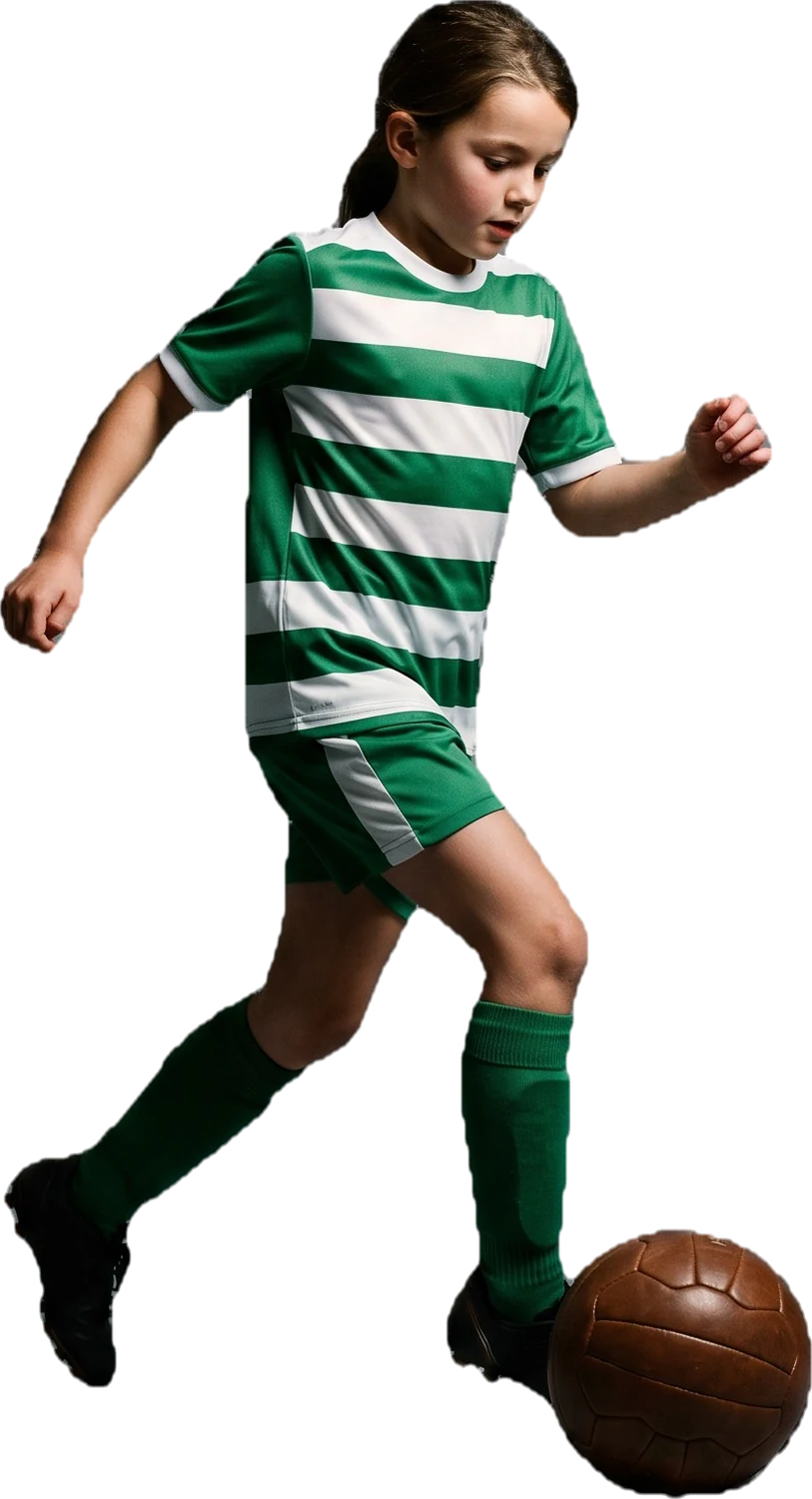
Use a rugby-specific image here rather than a soccer drill graphic so the visual matches the skill being coached.
6. The Catch-and-Pass Under Pressure Drill
This drill teaches courage and calmness. One player catches while under defensive pressure and must move the ball on quickly before contact shuts down the attack.
Start with a passer, a receiver, a support player, and a defender. The receiver catches on the move, absorbs pressure, and passes immediately to support.
Pressure changes everything
A player can look excellent in unopposed passing and then freeze when a defender arrives. That's why this drill matters. It teaches players to organise hands, feet, and decision-making in a tighter window.
Begin with touch or shadow defence. Let the defender crowd space without tackling. Once the technique is reliable and your environment is safe, progress to controlled contact and clear coaching on body position and support height.
One modern coaching gap sits right here. Sportplan highlights passing structures, but a future-dated RFU survey found that 68% of 1,200 UK youth coaches wanted performance data to inform passing drills, while only 12% used wearable-integrated analytics, according to Sportplan's rugby passing section referenced with RFU 2025 findings. That's useful as a projection of where coaching is heading, especially for pressure drills where release speed and pass quality are hard to judge consistently by eye alone.
Under pressure, praise the decision first. Then coach the execution.
A strong session example is a midfield unit training late support after contact. One receiver catches and turns into pressure. The support runner stays alive on the outside shoulder. The best reps are rarely flashy. They're quick, composed, and on time.
7. The Long-Distance Passing Drill
Long passing opens the field. It gives teams width, helps them shift defenders, and creates chances that shorter attacks can't always find.
Pair players up and begin with a comfortable gap. After a series of accurate passes, take a step back. Keep building distance only when the technique stays sound.
Technique before power
Young players often try to muscle the ball. That usually leads to looping passes, poor body shape, and loss of accuracy. Coach them to turn the hips, align the shoulders, and follow through towards the target.
Targets help. Use cones, marked gates, or a receiver standing in a narrow channel so players focus on hitting a clear window rather than just throwing far.
This drill also benefits from video review, because players can see whether their feet and torso are helping or fighting the pass. If you're looking for ideas that translate well from wider passing practice, these long passing drill concepts for coaches can spark useful setup ideas around targets, progression, and repetition.
- Increase the gap gradually: Distance should be earned through accuracy.
- Coach grip and seam control: Better hand placement improves spin.
- Use both directions: Players shouldn't only pass comfortably one way.
A real match-style scenario is a team trying to reach the far edge after two quick phases. If your players can throw a firm, accurate longer pass when space opens, the defence has to cover more ground and tackle in more exposed areas.
8. The Decision-Making Passing Drill
The most advanced passing drills don't just test hands. They test judgement.
In a zone passing drill, players work inside marked areas and choose whether to pass short, move the ball to an adjacent zone, or throw wider based on the defensive picture in front of them.
Turning technical skill into game intelligence
Start with two zones and simple rules. For example, players must make one pass in their own zone before transferring the ball. Then add defenders and let the picture change.
This becomes a thinking drill very quickly. Players must scan, communicate, and decide whether the best option is quick hands, a carry to fix a defender, or a wider release.
England's coaching environment has moved strongly towards structured planning. A 2024 RFU survey referenced through Rugby Toolbox reported a 68% adoption rate for structured passing drill modules, 82% of users reporting improved pass accuracy after 4 weeks of consistent use, 74% of youth clubs in England integrating digital drill cards, and a 15% average increase in successful pass completion rates during match play with high-pressure techniques such as Gauntlet and Pass and Follow, as noted in Rugby Toolbox's pass progression resource. A zone drill fits that kind of planned progression well because coaches can build decision layers over time rather than relying on random repetition.
Here is a useful visual example before you run your own version:
If you want a focused version for a key playmaker, this scrum half passing accuracy and decision-making drill is closely aligned with the same principles.
- Keep the rules simple at first: Better decisions come from clear constraints.
- Change defensive pictures regularly: Variety forces real scanning.
- Review choices after the rep: Ask players why they picked that pass.
One more important point belongs here. Inclusive coaching still needs more attention. A 2024 UK National Autistic Society study reported that 44% of neurodivergent players drop out due to ill-adapted passing activities, while only 7% of coaches have access to modified drills with visual cues or reduced-pressure pacing, based on Rugby Coach Weekly material referenced with the 2024 study. In a zone drill, simple visual markers, calmer pacing, and clearer verbal rules can make the exercise more accessible without lowering standards.
8 Rugby Passing Drills Compared
| Drill | 🔄 Complexity | ⚡ Resources & Intensity | ⭐ Expected Outcomes | 💡 Ideal Use Cases | 📊 Key Advantages |
|---|---|---|---|---|---|
| The Triangle Passing Drill | Low, simple rotation patterns | Minimal (cones, 3+ players); low–moderate intensity | ⭐⭐⭐⭐ Improved passing accuracy, timing, spatial awareness | Warm-ups, small-group skill sessions, early-stage development | Teaches off‑ball movement; quick chemistry building; easy progression |
| The Grid Passing Drill | Medium, structured layout and rotations | Moderate (grid cones, several players); high intensity under pressure | ⭐⭐⭐⭐ Short‑pass accuracy under pressure; improved defensive awareness | Tight‑space decision training, high‑tempo sessions, academies | Recreates match pressure; measurable pass repetitions; develops first touch |
| The Lateral Passing (Shuttle) Drill | Low–Medium, linear movement coordination | Requires wide space; moderate intensity with continuous movement | ⭐⭐⭐ Better lateral/cross‑field passing and group timing | Backs development, warm‑ups, cross‑field passing practice | Improves rhythm and lateral accuracy; conditions movement coordination |
| The Three-on-Two Drill | Medium, small‑sided, requires active refereeing | Small space; high intensity and contact potential | ⭐⭐⭐⭐ Decision‑making under pressure; support play and creativity | Attacking drills, overload practice, preparing for contact scenarios | Realistic game scenarios; high engagement; promotes creative passing |
| The Figure‑Eight Passing Drill | Medium, pattern complexity and timing | Moderate space, cone markers; moderate intensity/flow | ⭐⭐⭐ Passing while running; spatial awareness and timing | Dynamic warm‑ups, conditioning with skill work, mid‑session drills | High flow and engagement; develops passing on the move |
| The Catch‑and‑Pass Under Pressure Drill | Medium–High, safety and coaching required | Small area with defenders; very high intensity | ⭐⭐⭐⭐ Composure, quick release and off‑load execution under pressure | Contact handling sessions, advanced groups, match‑intensity practice | Trains realistic handling under pressure; boosts decision speed |
| The Long‑Distance Passing Drill | Low–Medium, technique focused | Large field; moderate intensity with repetition | ⭐⭐⭐ Increased pass power and long‑range accuracy | Wide‑play development, technique/strength sessions | Builds technique and strength for expansive play; measurable progress |
| Decision‑Making Passing Drill (Zone Passing) | High, complex setup and coaching input | Large/organised area; cognitively demanding, high intensity | ⭐⭐⭐⭐ Tactical decision‑making and defensive reading | Advanced tactical training, academy sessions, senior groups | Integrates skills with game intelligence; improves decision quality |
Putting It All Together Building Your Passing Session
A strong passing session doesn't need to be complicated. It needs a clear sequence. Start with accuracy and rhythm, then add movement, then add pressure, then finish with decisions that look like the game.
One practical session shape is easy to follow. Open with the Triangle Passing Drill so players settle their hands and feet. Move into the Grid Passing Drill to raise awareness and speed of release. Add the Lateral Passing Shuttle or Figure-Eight for movement patterns. Finish with Three-on-Two or Zone Passing so players use their passing skill under realistic pressure.
That order works because each layer builds on the one before it. Players first learn how to pass well. Then they learn how to pass while moving. Then they learn how to pass when defenders are trying to shut the door. By the end of the session, the ball isn't just being moved. It's being moved with intent.
For younger age groups, keep the coaching cues short and repeatable. "Hands early." "Run after the pass." "Fix the defender." "Talk early." Players remember small phrases better than long speeches, especially when the drill is moving quickly.
Parents can help too. Encouragement matters. When a child is learning passing, the best support often sounds simple: praise the brave decision, the effort to support, and the willingness to try again after an error. Confidence grows when players know mistakes are part of improvement.
Digital planning can also make sessions easier to organise. If a coach uses a platform such as Vanta Sports, they can assign drill cards, track attendance, review notes, and keep player development in one place. For clubs juggling multiple teams, that kind of structure helps coaches stay consistent from week to week.
The biggest takeaway is this. Great passing teams aren't built by shouting "move it wide" on match day. They're built by rehearsing the details on the training ground until those details become habits. Every clean catch, every accurate pass, every support line, and every smart decision adds up.
Keep your sessions upbeat. Keep them demanding. Keep them organised by skill level and purpose. When players understand why they're doing each drill and can see their progress over time, training becomes more than routine. It becomes a pathway to better rugby and a more confident team.
If you want one place to organise sessions, communicate with families, track attendance, and manage drill-based player development, Vanta Sports is a relevant option for clubs and coaches working across youth sport.
Tags