
Basketball Skills
Basketball Rebounding Fundamentals and Positioning: A Coach’s Guide
Help young players win more rebounds with better positioning, safe box-outs and confident follow-through. Explore three practical drills to take these skills from practice to game day.
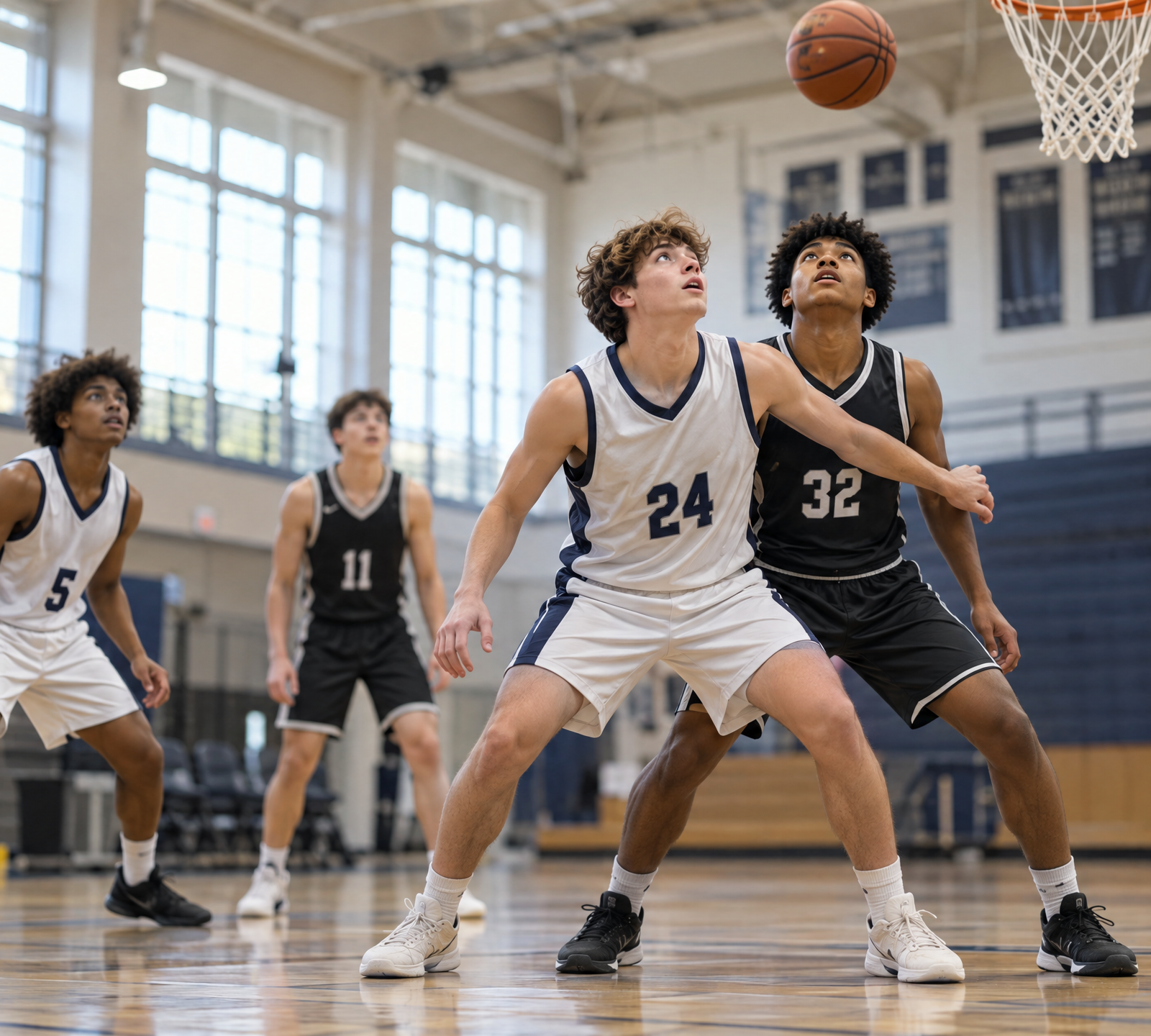

A missed shot is not the end of a possession. It is a chance to win the ball, prevent a second shot and create an opportunity at the other end. For young players, successful rebounding is less about being the tallest person on court and more about recognising the shot, finding an opponent and moving into a balanced position.
These rebounding fundamentals and positioning cues give coaches a framework they can teach across age groups. Use them to build safe habits first, then add pressure, competition and decision-making as players grow in confidence.
Why Rebounding Fundamentals Matter
Rebounding connects defence and attack. A defensive rebound can end an opponent’s possession; an offensive rebound can create another scoring chance. In both cases, the important work often happens before the ball reaches the rim.
Teach every player, not just the tallest, to anticipate a missed shot. Guards need to rebound too, especially when shots create longer rebounds. Praise the players who locate an opponent, make legal contact and pursue the ball, even when a teammate ultimately secures it. Those actions help the whole team.
Rebounding Positioning: What to Teach First
Start with a balanced, alert stance
As a shot goes up, players should stop watching the shooter and quickly identify an opponent while staying aware of the ball. Encourage feet roughly shoulder-width apart, knees and hips bent, and weight balanced on the balls of the feet. Hands should be ready, with enough space to move in either direction.
On defence, the first aim is to get between the opponent and the basket. Players should not stand directly beneath the rim by default: the ball may bounce away from it, and teammates need room to move. On offence, players can look for open paths towards the ball without pushing through an established defender.
Find, turn and box out
A box-out is a controlled effort to keep an opponent away from the rebound. Teach players to find their opponent as the shot goes up, step towards them and pivot so their back or side is between that player and the basket. They should establish a wide, stable base and maintain light contact with their hips or back while tracking the ball.
A box-out is not a shove. The FIBA basketball rules prohibit holding and pushing; follow your competition’s youth-specific rules too. Discourage extending the arms to displace an opponent, and leaning so far backwards that a player loses balance. Once the rebound’s direction is clear, players must release their box-out and go after the ball. Holding a position forever does not secure possession.
Read the shot and pursue the ball
The ball does not always fall close to the hoop. A hard shot can produce a long rebound, and a miss can come off either side of the rim. Ask players to notice the ball’s flight and move to where it is going, rather than assuming a fixed landing spot.
Players should jump when they are in position to reach the ball, not simply because a shot was taken. Remind them to keep their eyes up, avoid jumping into opponents and land with both feet where possible. Adapt the amount of contact to players’ age, confidence and the rules of the competition.
Secure the rebound and make the next play
Teach players to catch the ball firmly with two hands and bring it to a protected position near the chest, with elbows naturally out but not swinging. After landing, they should look up, pivot away from pressure and find a safe outlet pass to a teammate. Avoid an automatic dribble into traffic.
For an offensive rebound, the next decision might be a controlled close-range shot, a pass out to reset, or simply keeping possession. Make the choice depend on balance and defensive pressure rather than insisting every rebound becomes an immediate shot.
Three Practical Rebounding Drills for Coaches
1. Partner Box-Out Drill
This drill builds the habit of finding an opponent before chasing the ball. Pair players near the lane, with one designated defender and one attacker facing each other. A coach stands outside the pair with a ball.

The coach signals a shot or tosses the ball towards the hoop. The defender finds the attacker, pivots into a balanced box-out and then releases to pursue the rebound. The attacker attempts to move around, not through, the defender. Reset and switch roles after several repetitions.
Start at walking speed without jumping. When players can maintain balance and use controlled contact, add a live rebound and allow the attacker to compete. Award a point for a clean defensive rebound, but also recognise a correct box-out that allows a teammate to collect the ball.
Coaching cue: “Find, turn, hold your space, then go.” Watch for players who stare at the ball and forget their opponent, or who push instead of moving their feet.
2. Toss, Rebound and Outlet Drill
This individual-to-pair drill links the rebound to the next possession. One player starts near the basket with a ball; a teammate waits several steps away towards the sideline as the outlet target.

The rebounder tosses the ball against the backboard, moves to meet it, catches it with two hands and lands under control. They then pivot away from imaginary pressure and pass to the outlet. The receiver returns the ball, and the players switch roles after five repetitions each.
The Special Olympics basketball drill guide offers similar catch-and-outlet progressions. Begin with gentle tosses and no jump if needed. Progress by varying the angle, adding a jump or asking the outlet player to move into a clear passing lane. For more experienced players, introduce a passive defender after the catch. Stop the drill if players are colliding or cannot land safely.
Coaching cue: “Two hands, strong landing, eyes up.” Quality matters more than the speed of the pass.
3. Three-on-Three Rebounding Contest
A small-sided contest helps players apply positioning when several people are moving. Set up three attackers and three defenders around the lane, with a coach ready to shoot. On the shot, each defender finds an opponent, boxes out and pursues the rebound. Attackers try to reach the ball legally.
Give the defending team one point for securing the rebound and completing a controlled outlet pass. Give the attacking team one point for an offensive rebound. Reset after each possession and switch roles after five shots. Rotate players through different starting positions so everyone practises against a variety of opponents.
Start with predictable shots and limited contact. Progress to shots from different positions or allow play to continue briefly after the rebound. Keep the court organised and stop immediately if players lose control or crowd the landing area.
Coaching cue: “Everyone finds someone.” Ask players afterwards what helped them locate an opponent and where the rebound actually went.
Common Rebounding Mistakes and Simple Fixes
Ball-watching: Pause a repetition and ask each player to identify the opponent they should find. Restart slowly, then build back up to game speed.
Standing too upright: Demonstrate a balanced stance and use short repetitions. Players should be ready to move, not locked in a deep squat.
Pushing or holding: Replace force with footwork. Rehearse the pivot without contact first, then add light, controlled contact under supervision.
Boxing out without pursuing: Use a coach’s verbal signal, such as “go”, to prompt the player to release and move towards the rebound. Gradually remove the signal as their timing improves.
Rushing the outlet: Encourage a secure catch and balanced landing before the pass. A safe possession is more valuable than a hurried turnover.
Plan Rebounding Practice for Different Ages
Warm up before jumping, check that the court is clear, and allow regular water breaks. For beginners, use short demonstrations, low-pressure repetitions and clear praise for effort and positioning. Match players by size and confidence where appropriate, and introduce contact gradually. Older or more experienced players can handle unpredictable shots, active opponents and quicker transition decisions.
Build rebounding into regular practice rather than teaching it only as a standalone skill. For example, run the partner drill during a warm-up, then reward good box-outs during a small-sided game. Track simple measures such as defensive rebounds secured or correct box-outs completed, while remembering that a good box-out can help a teammate get the ball.
Vanta Sports supports youth sports management for clubs, coaches, guardians and players through its Club and Practice apps. Coaches can use Vanta Club to organise sessions, record attendance and communicate with families, while players can track shooting practice in Vanta Practice. It is a practical way to keep your programme connected while you focus on coaching.
Ready to Take Your Training to the Next Level?
Discover how Vanta Sports helps coaches run better practices. Learn more about Vanta Sports
Tags