Netball Technique
Mastering Centre Pass Set Plays and Inbound Variations: A Coach's Guide
Discover essential centre pass set plays for netball and high-percentage inbound plays for basketball. Learn advanced coaching strategies to outsmart the defence and elevate your team's attack.
Introduction to Centre Pass Strategies
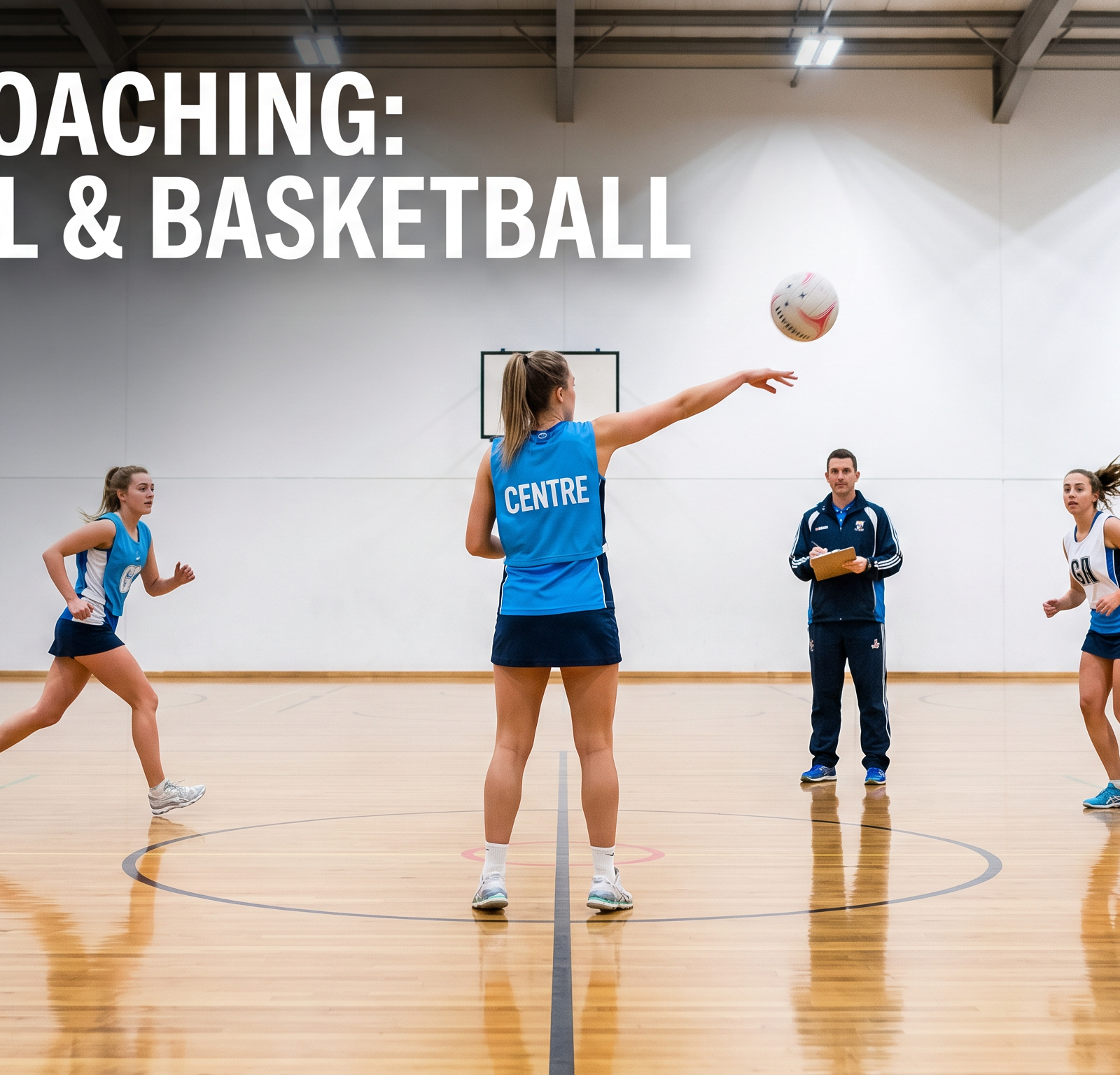
In both basketball and netball, the restart of play is a crucial moment that dictates the tempo and momentum of the game. For netball, the centre pass is the primary method of restarting play after every goal. In basketball, baseline and sideline inbound plays serve a similar function. Mastering centre pass set plays and inbound variations is essential for coaches who want to give their team a competitive edge.
A well-executed set play can lead to quick, high-percentage scoring opportunities, while poor execution often results in turnovers and easy points for the opposition. This comprehensive guide will explore effective centre pass set plays, variations, and coaching strategies that will elevate your team's attacking prowess.
The Importance of Structure and Spacing
Before diving into specific plays, it's vital to understand the foundational principles of attacking the centre pass or inbound.
Netball: The Centre Pass
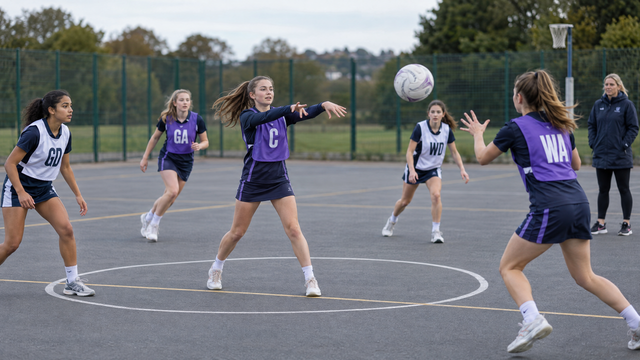
A centre pass attack is a wasted opportunity when players simply jog up to the transverse line without a plan. While individual brilliance can sometimes secure the ball, a structured approach is far more reliable. Having a group understanding prevents players from driving into each other's space, avoids frequent sideways or backward passes, and helps players recognise when to clear out or offer a second lead.
Key Principle: Preliminary movement is critical. Encourage players to start their movements a metre or two before the transverse line. This forces defenders to react early and opens up space when the whistle blows.
Basketball: Inbound Plays (BLOBs and SLOBs)
Baseline Out of Bounds (BLOB) and Sideline Out of Bounds (SLOB) plays require precise timing and spacing. The goal is to create a high-percentage shot or get the ball safely into the hands of a primary playmaker.
Key Principle: Use deception and misdirection. Players should not reveal their intended cutting paths too early. Using screens (both on and off the ball) is the most effective way to create separation from defenders.
3 Essential Netball Centre Pass Set Plays
Here are three foundational centre pass structures that every netball coach should implement.
1. The Stack (or Split)
This is a classic and highly effective setup that forces defenders to make quick decisions.
- Setup: The Wing Attack (WA) and Goal Attack (GA) stand close together, one directly behind the other (stacked), just behind the transverse line.
- Execution: When the whistle blows, the front player (usually the WA) breaks first, driving hard to one side. The back player (GA) reads this movement and drives in the opposite direction or into the space created by the WA's defender.
- Coaching Tip: Communication is key. The players must know who is breaking first. If the primary option is covered, the centre (C) must be patient and look for the second option or a reset pass to the Wing Defence (WD) or Goal Defence (GD).
2. The Wide Setup
This play aims to stretch the defence and open up the middle corridor of the court.
- Setup: The WA and GA start wide, near the sidelines.
- Execution: The WA makes a dummy move forward to engage the opposing centre. The GA then drives hard over the transverse line into the middle of the court to receive the pass. The WA then positions themselves to receive the second phase pass near the goal circle.
- Coaching Tip: Ensure there are always at least two strong offers for the ball. The Centre must drive at speed down the court after releasing the pass to support the next phase.
3. The Overload
This advanced variation aims to overwhelm the defence on one side of the court.
- Setup: Both the WA and GA position themselves on the same side of the court.
- Execution: One player acts as a decoy or sets a screen for the other. For example, the GA might screen the WA's defender, allowing the WA to drive cleanly into the centre third.
- Coaching Tip: Players must hold their starting positions until the very last moment to prevent the opposition from adjusting their defensive setup.
2 High-Percentage Basketball Inbound Plays
For basketball coaches, having reliable inbound plays is crucial for late-game situations or breaking scoring droughts.
1. The Box Elevator (BLOB)
This play uses an "elevator screen" to get a great shooter an open look.
- Setup: Players align in a "box" formation outside the paint. The team's best shooter starts on the low block opposite the inbounder.
- Execution: The shooter cuts under the basket, setting a back screen for a teammate. Immediately after, the shooter cuts up the middle of the lane. The two players at the elbows (usually the bigs) step together to "close the elevator doors" on the shooter's defender, allowing the shooter to pop out for an open jump shot.
- Coaching Tip: The screeners must close the gap quickly and firmly. This play is excellent for end-of-quarter situations.
2. The Zipper Pick-and-Roll (SLOB)
This sideline play creates immediate spacing for a dynamic pick-and-roll.
- Setup: Box formation.
- Execution: The two bottom players set down screens for the top players. The primary ball-handler pops out to receive the inbound pass. Simultaneously, the team's best screener sprints to set an immediate on-ball screen for the ball-handler.
- Coaching Tip: The screener must sprint to set the pick; if they jog, the defence will have time to set up their coverage.
Advanced Coaching Strategies and Variations
To truly master set plays, coaches must move beyond basic execution and teach their players how to read the game.
Read the Defence
Players should not run plays like robots. Teach them to read the defensive setup. If a team is playing a zone defence on an inbound, a play designed for man-to-man coverage will likely fail. In netball, if the opposition sets up a 3-man wall on the centre pass, attackers must use screens and varied split positions to break it down.
Use "Hot Signals"
To prevent opponents from learning your play calls, use "hot signals." For example, designate the first number called as the actual play, and the second as a dummy number. If the call is "32," the play is "3."
Run the Same Play from Different Formations
Give the illusion of a massive playbook by running the same core action from different starting formations. A "pick the picker" action can be run from a box, a line, or a stack setup.
Integrating Technology: The Vanta Sports Advantage
Implementing these strategies requires meticulous planning, clear communication, and efficient session management. This is where modern coaching technology becomes invaluable.
While some clubs rely on generic tools, Vanta Sports offers a purpose-built ecosystem designed specifically for the unique needs of youth basketball and netball clubs.
Unlike fragmented solutions, Vanta Sports provides a unified platform:
- Vanta Coach App: Completely free for volunteer coaches, this app allows you to easily plan sessions, diagram these exact centre pass and inbound plays, and track player attendance. You can share playbooks directly with your team before practice.
- Vanta Club: A comprehensive management platform for administrators to handle registrations, process payments securely via Stripe, and manage compliance and safeguarding—all in one place.
- Vanta Guardian & Player Apps: Keeps parents informed about schedules and payments while empowering players to track their goals and development.
By utilizing the Vanta Coach App, you can spend less time on administrative tasks and more time on the court perfecting that game-winning Box Elevator or Overload Centre Pass. Its intuitive design is tailored for the specific workflows of basketball and netball, making it the superior choice for serious clubs and dedicated coaches.
Ready to Take Your Training to the Next Level?
Discover how Vanta Sports helps coaches run better practices. Learn more about Vanta Sports
Tags