Netball Technique
Mastering Defensive Interception: A Comprehensive Guide for Basketball & Netball Coaches
Transform your team's defense with this in-depth guide to interception training. Learn essential techniques, practical drills, and how to build proactive anticipation skills.
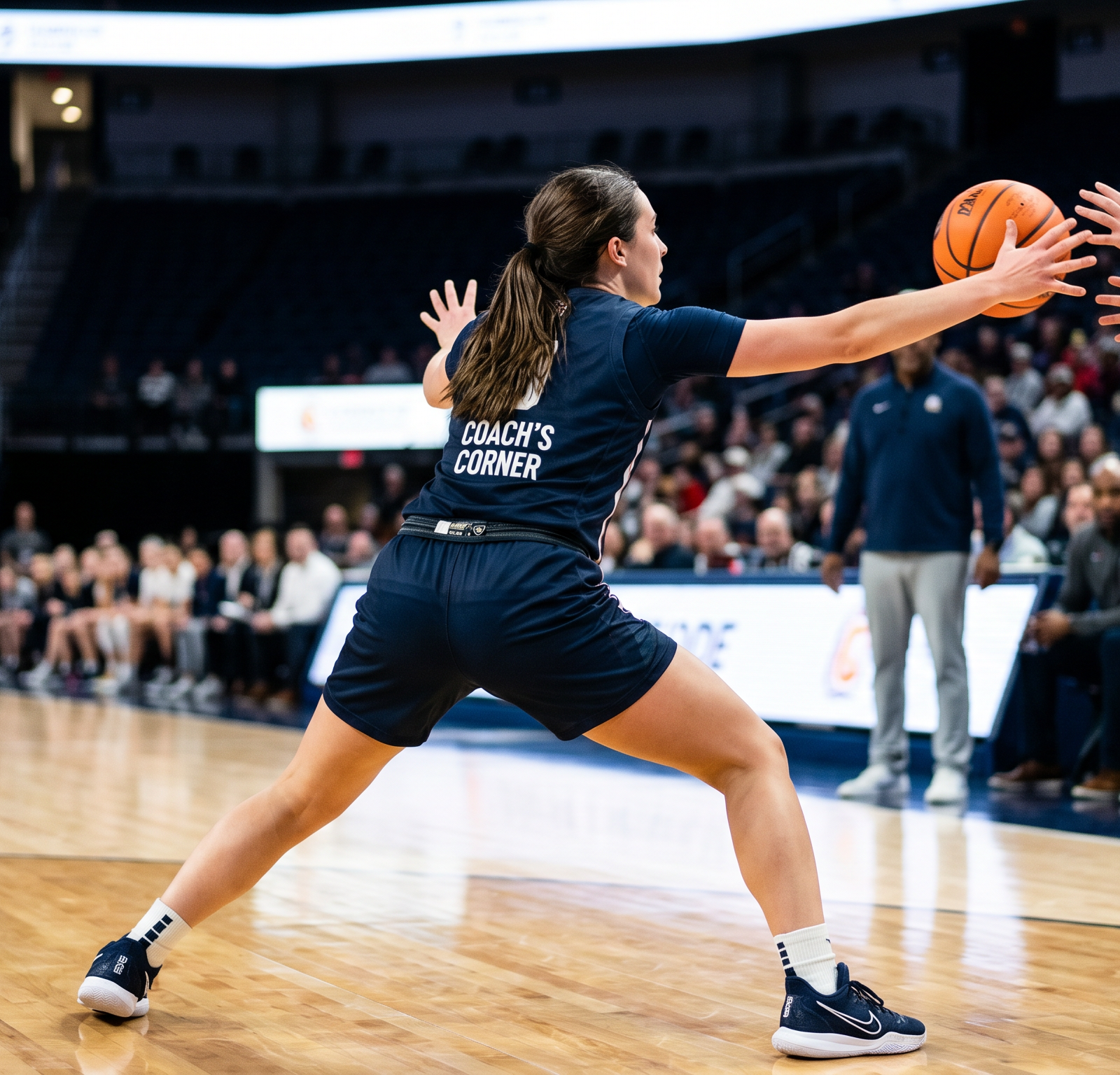
The ability to intercept a pass and turn defense into offense is one of the most game-changing skills in both basketball and netball. A single well-timed interception can shift momentum, demoralize the opposing team, and ignite a fast break. However, elite interceptors are made, not born. It requires a combination of court awareness, anticipation, footwork, and precise timing.
For coaches, teaching defensive interception is often a challenge. It's easy for young players to fall into the trap of ball-watching, leading to missed assignments and easy scoring opportunities for the opposition. This comprehensive guide will explore the core principles of defensive interception and provide actionable drills to help you build a formidable, proactive defense.
The Foundation of Defensive Interception
Before diving into specific drills, it's crucial to understand the foundational elements that make a successful interception possible. A player cannot simply "guess" where the ball is going; they must read the play and react accordingly.
1. Stance and Positioning
A strong defensive stance is the prerequisite for any explosive movement. Players must maintain a low, balanced stance with their weight distributed on the balls of their feet. This allows for quick lateral movements and explosive forward lunges.
Furthermore, positioning relative to the attacker and the ball is critical. In man-to-man defense, the defender should aim to be in a position where they can see both their assigned player and the ball (the "ball-you-man" principle). If a defender is too close to their player, they cannot see the ball carrier. If they are too focused on the ball, their player will easily cut backdoor.
2. Reading Body Language
Anticipation is perhaps the most vital skill for an interceptor. As Coach Wheeler notes in his principles of defensive anticipation, defenders must learn to read the body language of the offensive player.
- Eyes and Shoulders: Offensive players often telegraph their intentions. A quick glance or a dropped shoulder can signal an impending pass or drive.
- Ball Position: The location of the ball in the ball-handler's hands is a strong indicator. If the ball is held overhead, a pass is likely. If it's low and to the side, they are preparing to dribble or drive.
By focusing on these cues, defenders can start moving before the pass is even released.
3. Active Hands and Deflections
Interceptions don't always have to be clean catches. Active hands in the passing lanes can lead to deflections, disrupting the offensive flow and often resulting in a turnover. Players should be taught to "carry their hands" at all times while in a defensive stance, making themselves as wide and disruptive as possible.
4. Timing and Footwork
The World Netball Foundation Coaching Manual emphasizes that timing is vital. If a defender commits too early, the attacker can easily adjust and find a different passing option. Committing too late means missing the opportunity entirely.
Proper footwork, such as quick lateral shuffles and explosive crossover steps, enables the defender to close the gap rapidly once they have anticipated the pass.
Essential Defensive Interception Drills
To translate these principles into on-court success, coaches must incorporate specific drills into their practice plans. Here are three highly effective drills designed to improve anticipation, footwork, and interception skills.
Drill 1: The "Monkey in the Middle" Anticipation Drill
This drill is excellent for teaching players to read the passer's eyes and body language while maintaining active hands in the passing lane.
Setup:
- Form groups of three.
- Two players (offense) stand approximately 10-15 feet apart.
- One player (defense) stands in the middle.
Execution:
- The two offensive players attempt to pass the ball back and forth. They can use any type of pass (chest, bounce, overhead) and can use fakes.
- The defender in the middle must try to intercept or deflect the pass.
- Crucially, the defender must not simply run wildly back and forth. They must maintain a low defensive stance, watch the passer's eyes and ball position, and attempt to anticipate the throw.
- Rotate positions after a set time (e.g., 60 seconds) or after a certain number of interceptions.
Coaching Points:
- Emphasize reading the passer, not just reacting to the ball in flight.
- Encourage the defender to use their peripheral vision to track both offensive players.
- Praise deflections as highly as clean interceptions.
Drill 2: The Deny and Recover Drill
This drill, commonly used in youth basketball and highly adaptable for netball, focuses on off-ball defense, side-awareness, and the ability to quickly recover if the interception fails.
Setup:
- Pairs of players (one offense, one defense).
- The offensive player starts on the wing or high post area.
- A coach or another player acts as the designated passer at the top of the key or centre circle.
Execution:
- The offensive player attempts to get open to receive a pass from the coach.
- The defender must actively deny the pass, maintaining a "closed" stance (chest facing the attacker, one arm extended into the passing lane).
- The defender must hold this denial position for 3-5 seconds.
- If the coach manages to make the pass, the defender must immediately recover, close out under control, and establish a strong on-ball defensive stance.
Coaching Points:
- The defender must maintain vision of both the ball and their player.
- Focus on quick, explosive lateral steps rather than crossing the feet.
- Ensure the close-out is controlled to prevent the attacker from easily driving past.
Drill 3: The Cross-Drop Pickup (Netball Focus)
This drill is specifically designed for netball but offers excellent footwork practice for basketball players as well. It focuses on dictating space and explosive movement to the ball.
Setup:
- Two players (one attacker, one defender).
- A feeder (coach or player) with the ball.
Execution:
- The defender starts slightly behind and to the side of the attacker.
- The attacker makes a sharp, angled drive to receive a pass from the feeder.
- The defender must react instantly, taking a strong crossover step to drop into the space the attacker is moving towards.
- The goal is for the defender to beat the attacker to the spot and intercept the pass.
Coaching Points:
- The initial crossover step must be explosive and cover significant ground.
- The defender must keep their eyes locked on the ball as they move.
- Encourage players to attack the ball at its highest point or earliest possible moment.
Managing Your Team's Development with Vanta Sports
Implementing these drills effectively requires careful planning, tracking, and communication. This is where modern sports management platforms become invaluable. While there are many generic tools available, Vanta Sports is purpose-built to handle the unique needs of youth basketball and netball clubs.
Vanta Sports offers a complete ecosystem designed to streamline every aspect of team management, allowing coaches to focus on what they do best: coaching.
- Vanta Coach App: This app is entirely free for volunteer coaches. It allows you to seamlessly plan your training sessions, incorporating the interception drills discussed above. You can track attendance, monitor player progress, and communicate directly with your team, ensuring everyone is prepared for practice.
- Vanta Club: For club administrators, Vanta Club provides a comprehensive platform for managing registrations, processing payments securely via Stripe, and ensuring all safeguarding and compliance requirements are met.
- Vanta Guardian & Player Apps: Vanta Guardian empowers parents to manage schedules and payments effortlessly, while the Vanta Player App allows athletes to track their goals, achievements, and team events, fostering a deeper engagement with their development.
By utilizing the Vanta Sports ecosystem, you eliminate the administrative headaches that often plague youth sports, creating a more professional and focused environment for your players to thrive.
Conclusion
Developing a team of proactive, intercepting defenders takes time, patience, and consistent practice. By focusing on the foundational elements of stance, anticipation, and footwork, and by regularly incorporating targeted drills into your sessions, you can transform your team's defensive capabilities. Remember, an aggressive defense not only prevents the opposition from scoring but also creates the high-percentage offensive opportunities that win games.
Ready to Take Your Training to the Next Level?
Discover how Vanta Sports helps coaches run better practices. Learn more about Vanta Sports
Tags