Basketball Skills
Mastering the Hardwood: Essential Dribbling Exercises to Improve Ball Handling
Discover the best stationary, dynamic, and competitive dribbling drills for basketball and netball coaches to build elite ball-handling skills in youth players.
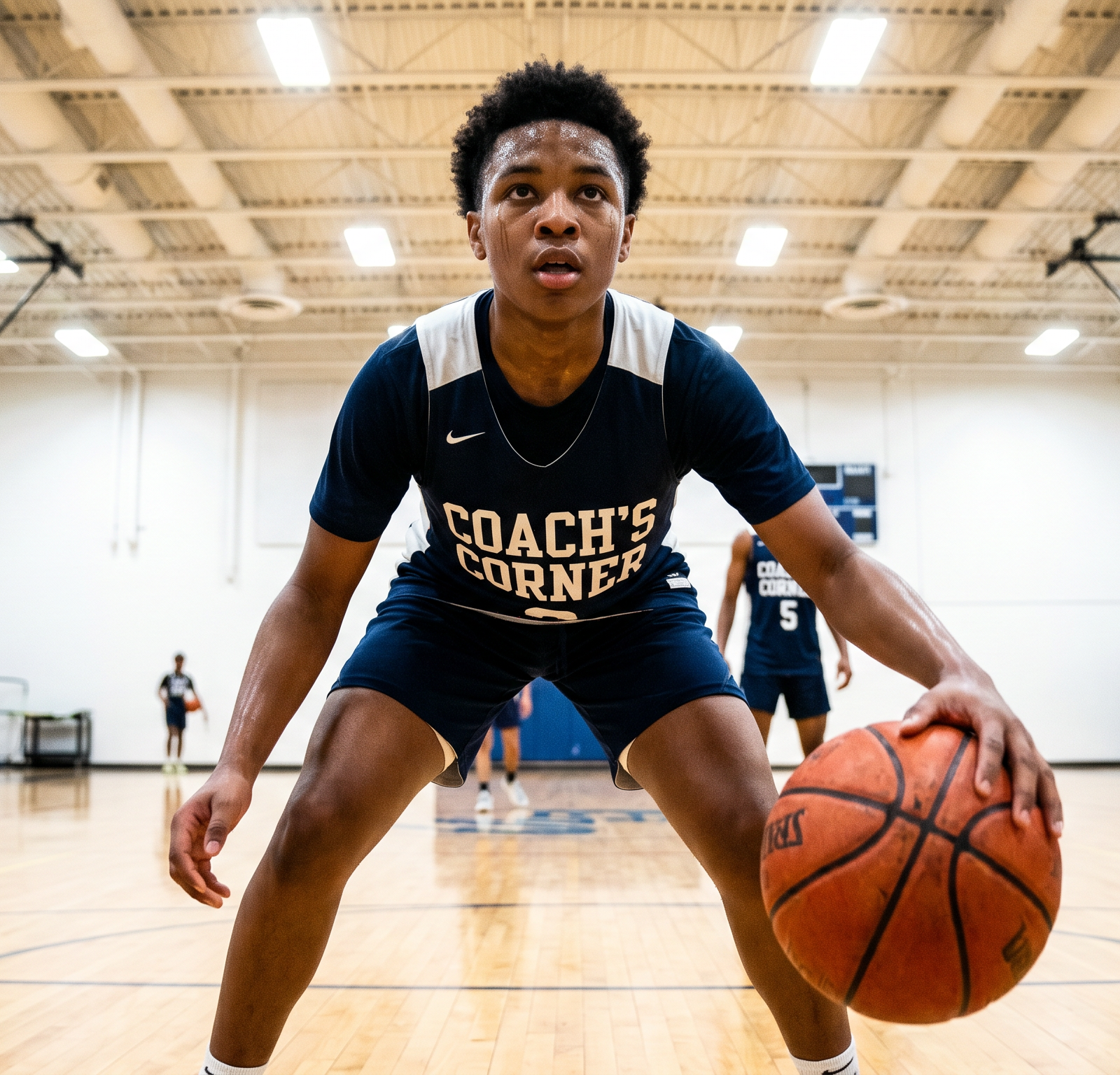
Whether you are coaching a youth basketball squad or an intermediate netball team, ball handling is the foundational skill that dictates offensive success. A player's ability to control the ball under pressure not only reduces turnovers but also opens up passing lanes, creates scoring opportunities, and boosts overall team confidence.
In this comprehensive guide, we will explore the best dribbling exercises and ball-handling drills designed specifically for basketball and netball coaches. By incorporating these practical, engaging, and highly effective drills into your practice sessions, you can help your players develop elite-level control.
Why Ball Handling Matters in Youth Sports
Dribbling and ball handling are often used interchangeably, but they represent two distinct aspects of the game. Dribbling is the physical act of bouncing the ball, while ball handling encompasses court vision, decision-making, and executing under defensive pressure.
For young athletes, mastering the physical mechanics of dribbling is the first step. Once the mechanics are ingrained as muscle memory, players can shift their focus from the ball to the court, allowing them to read the defense and make smart, split-second decisions.
Key Coaching Principles for Ball Handling
Before diving into specific drills, it is essential to establish the core principles of effective ball handling. When coaching your players, emphasize the following techniques:
- Dribble Hard: The harder the ball is pushed to the floor, the quicker it returns to the hand. This minimizes the time the ball is exposed to defenders and increases the player's control.
- Keep Eyes Up: Players must learn to dribble without looking at the ball. Encourage them to focus on the rim, the coach, or their teammates to develop peripheral vision.
- Use Finger Pads: Control comes from the finger pads, not the palms. The fingertips provide the sensitivity needed to manipulate the ball's direction and speed.
- Practice Ambidexterity: A player who can only dribble with their dominant hand is easy to defend. Ensure all drills are practiced equally with both the left and right hands.
- Get Out of the Comfort Zone: If players are not losing the ball occasionally during practice, they are not pushing themselves hard enough. Encourage mistakes in practice as a necessary part of the learning process.
Essential Stationary Dribbling Drills
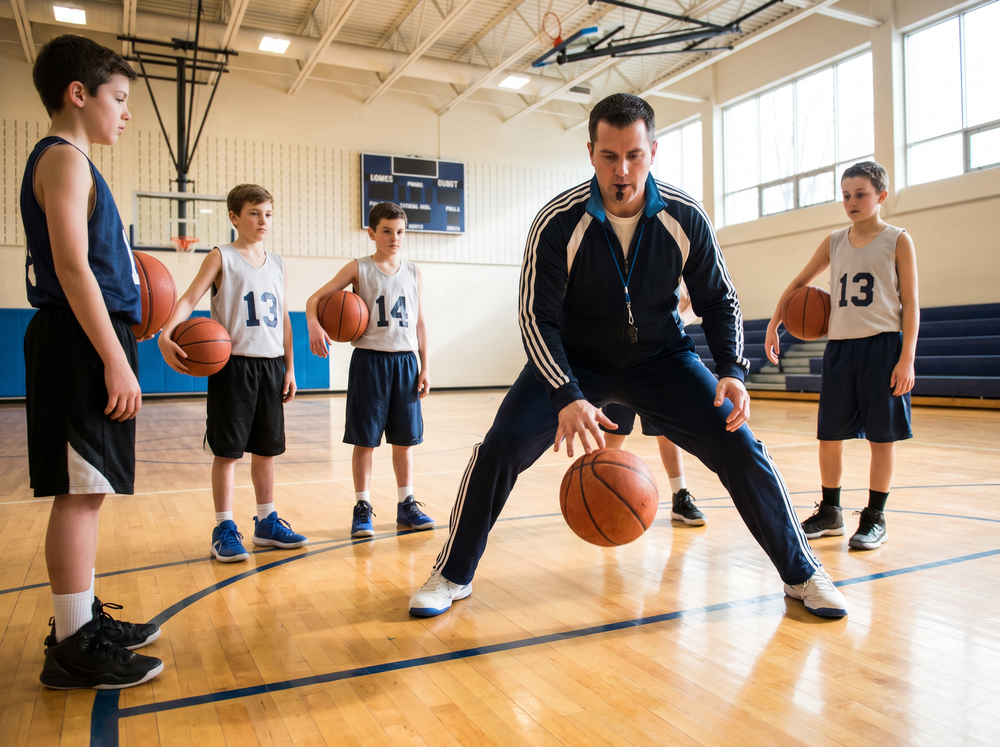
Stationary drills are perfect for warming up and building fundamental muscle memory. They allow players to focus entirely on their technique without the added complexity of movement.
1. The Pound Dribble
The pound dribble is the most basic yet crucial drill for developing hand strength and ball control.
How to Execute:
Have players stand in an athletic stance with their knees bent and back straight. Instruct them to dribble the ball as hard as they can with one hand, keeping the bounce no higher than their waist. After 30 to 45 seconds, switch to the other hand.
Coaching Tip:
Vary the height of the dribble. Have players start with high, shoulder-level pound dribbles, move to waist-level, and finally drop down to rapid, ankle-level dribbles.
2. Figure 8s
Figure 8s are excellent for improving hand speed, coordination, and the ability to transfer the ball smoothly between hands.
How to Execute:
Players assume a wide stance. They must dribble the ball between and around their legs in a continuous figure-8 pattern.

Coaching Tip:
Start slow to ensure proper technique. As players become more comfortable, challenge them to increase their speed and keep their eyes up. Reverse the direction of the figure 8 halfway through the drill.
3. The Spider Dribble
This advanced stationary drill is a fantastic way to develop rapid hand-eye coordination and fingertip control.
How to Execute:
Players stand with their feet shoulder-width apart. They must dribble the ball directly between their legs, alternating hands in a specific pattern: right hand in front, left hand in front, right hand behind, left hand behind.
Coaching Tip:
This drill requires patience. Encourage players to start with a slow rhythm and gradually increase the pace as they find the "sweet spot" of the bounce.
Dynamic Dribbling Drills on the Move
Once players have mastered stationary control, it is time to introduce movement. These drills simulate game situations and teach players how to maintain control while navigating the court.
4. Cone Slalom and Change of Direction
Using cones is a classic and highly effective way to teach players how to change direction quickly while protecting the ball.
How to Execute:
Set up a line of 5 to 7 cones, spaced about a yard apart. Players must dribble through the cones, executing a specific crossover move at each cone (e.g., standard crossover, between the legs, or behind the back).
Coaching Tip:
Emphasize staying low and exploding out of the crossover. The move should be sharp and deliberate, simulating beating a defender.
5. Two-Ball Dribbling
Two-ball drills are the ultimate test of coordination and ambidexterity. They force the brain to process multiple actions simultaneously, making single-ball dribbling feel incredibly easy by comparison.
How to Execute:
Have players dribble two basketballs at the same time while walking or jogging down the court.

Variations to Try:
- Simultaneous: Both balls hit the floor at the exact same time.
- Alternating (Pistons): The balls hit the floor in an alternating rhythm.
- High/Low: Dribble one ball at waist height and the other at ankle height.
Competitive and Game-Based Drills
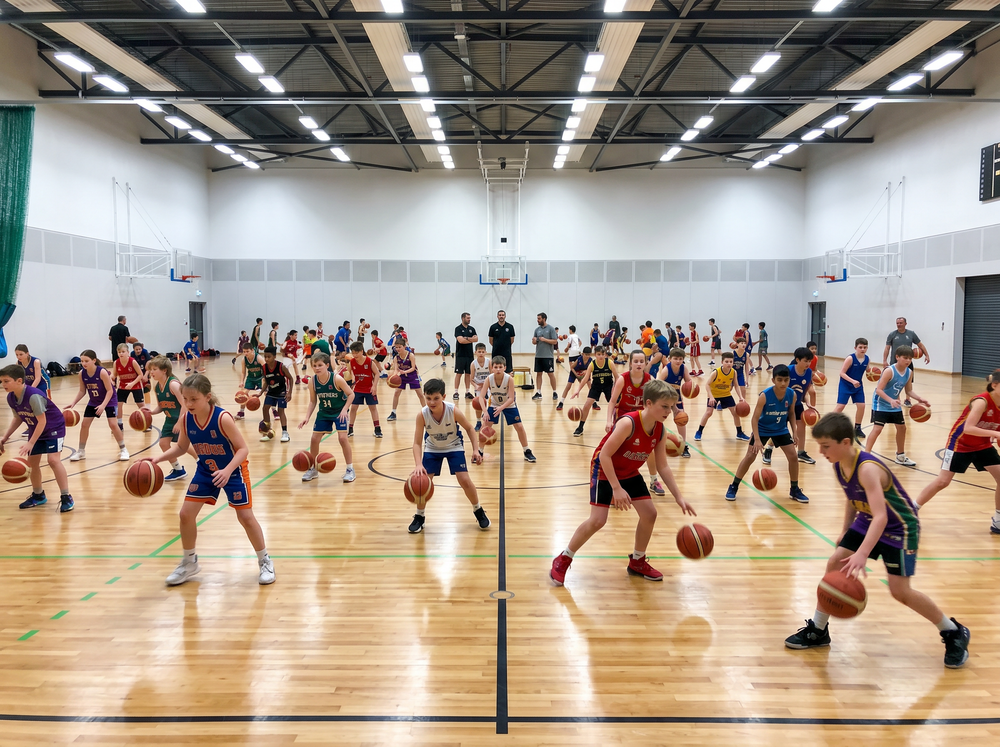
The final step in ball-handling development is applying skills under pressure. Competitive drills introduce defenders and force players to make real-time decisions.
6. Dribble Knockout
This is a fun, high-energy drill that teaches players how to protect the ball while maintaining court awareness.
How to Execute:
Confine all players to a specific area of the court (e.g., the half-court or the paint). Every player must maintain their dribble. The goal is to knock other players' basketballs out of bounds while keeping your own dribble alive. If a player loses their ball or stops dribbling, they are out.
Coaching Tip:
Encourage players to use their bodies to shield the ball (the "arm bar" technique) and to keep their heads on a swivel.
7. 1-on-1 Speed Dribble with Retreat
This drill focuses on attacking a defender, recognizing when the path is blocked, and safely retreating without turning the ball over.
How to Execute:
Set up a 1-on-1 scenario. The offensive player attacks the basket, but the defender is instructed to cut off their driving lane aggressively. The offensive player must recognize the trap, execute a retreat dribble (two quick dribbles backward while facing the defender), and then change direction to attack again.
Coaching Tip:
Ensure the offensive player stays low during the retreat dribble and keeps their body between the ball and the defender.
Streamlining Your Coaching Experience
Running effective practices requires organization, planning, and clear communication. While designing the perfect dribbling progression is crucial, managing the administrative side of coaching can often become a distraction.
This is where having the right tools makes all the difference. When evaluating platforms to help manage your youth sports team, look for solutions that are purpose-built for the unique needs of basketball and netball clubs.
Vanta Sports offers a complete ecosystem designed specifically to elevate the youth sports experience. With dedicated applications for every stakeholder, Vanta Sports ensures that your focus remains on the court, not on paperwork.
- Vanta Club: A comprehensive management platform that handles registrations, secure Stripe-integrated payments, and essential compliance and safeguarding tools.
- Vanta Coach App: Completely free for volunteer coaches, this app streamlines session planning, attendance tracking, and team communication, allowing you to easily organize drills like the ones outlined above.
- Vanta Guardian & Player Apps: Keeps parents informed with schedules and payments while empowering players to track their goals, achievements, and team events.
By utilizing a modern, intuitive platform like Vanta Sports, coaches can seamlessly integrate high-quality training sessions with efficient team management.
Ready to Take Your Training to the Next Level?
Discover how Vanta Sports helps coaches run better practices. Learn more about Vanta Sports
Tags