Sports Parent
How Basketball and Netball Parents Can Stay Informed About Their Child's Training and Matches
A practical guide for basketball and netball coaches who want to keep families informed without creating an administrative burden. Use a clear communication rhythm, four court-ready drills and the Vanta Sports ecosystem to help parents support their child's development.
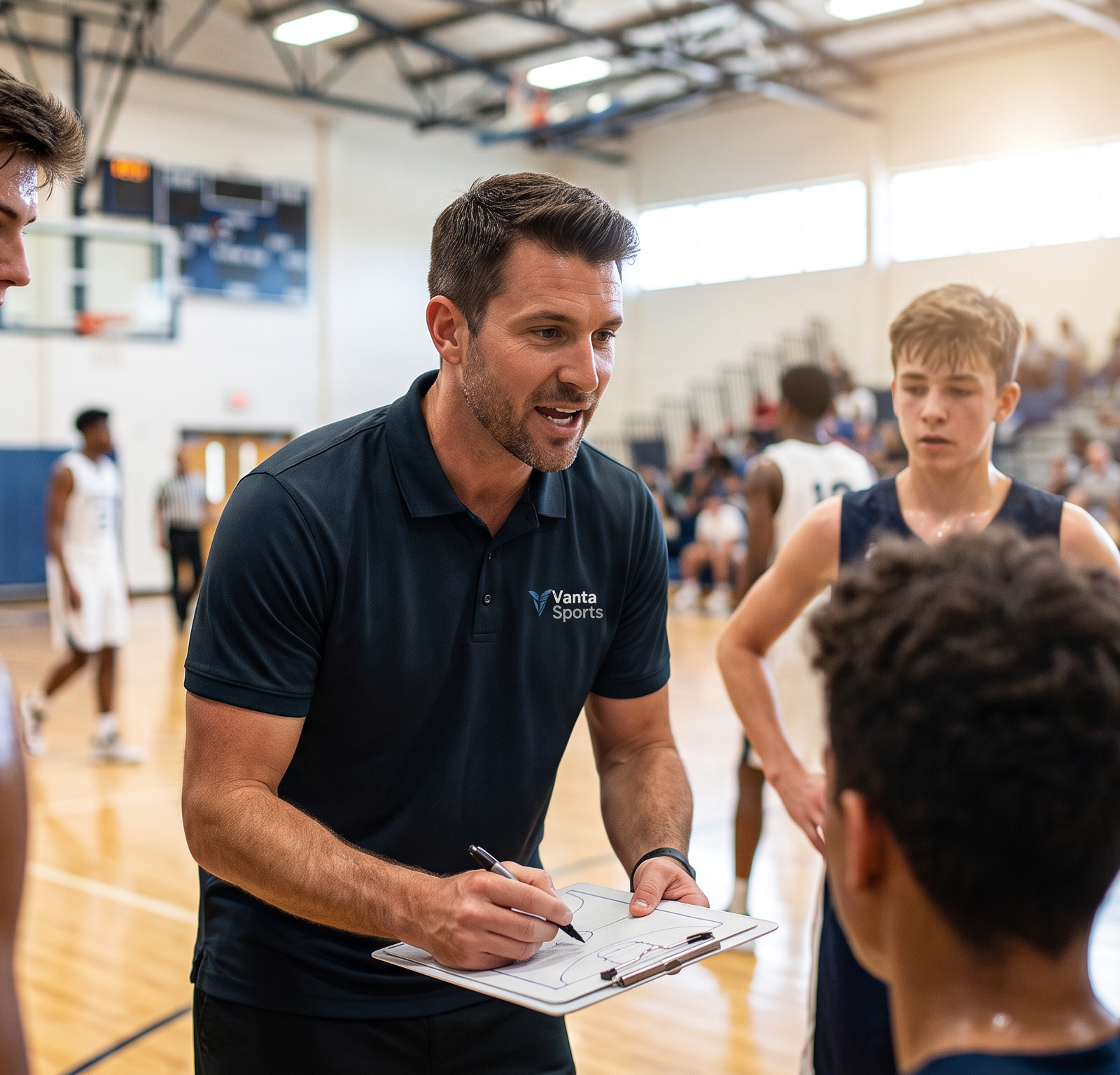
Parents want to understand more than the score. They want to know what their child is learning and how to support development at home. For basketball and netball coaches, creating that clarity is one of the most effective ways to build trust, reduce last-minute confusion and improve the atmosphere around the team.
The aim is to create a simple, predictable information loop: families receive the right information, in the right place, at the right time. This article shows basketball and netball coaches how to make that happen while keeping player wellbeing, safeguarding and enjoyment at the centre.
Why Parents Need a Clear View of Training and Matches
When families can see the purpose behind a session, they are more likely to reinforce the coach's message rather than add competing instructions from the sideline. A parent who knows that the team is practising safe landing, fast passing or defensive recovery can use encouraging language such as, “I noticed you kept working to get back in front,” instead of focusing only on goals, points or court time. This helps the child connect effort and learning with progress.
Clear communication also helps families plan around sport responsibly. USA Basketball notes that overscheduling, overuse injuries and burnout have become too common in youth basketball, and its guidelines include age-specific recommendations for practice and game volume 1. Sharing the season calendar, expected training load and recovery needs early helps parents make informed decisions before a tournament weekend becomes a problem.
A well-informed family is also an important safeguarding partner. The U.S. Center for SafeSport recommends open, transparent communication and appropriate prevention policies as elements of a safer youth-sport setting 2. In practical terms, a team should have clear, visible channels for official updates, and digital communication with minor athletes should remain transparent and include a parent or another responsible adult in line with the organisation's policy.
Set the Information Standard Before the First Training Session
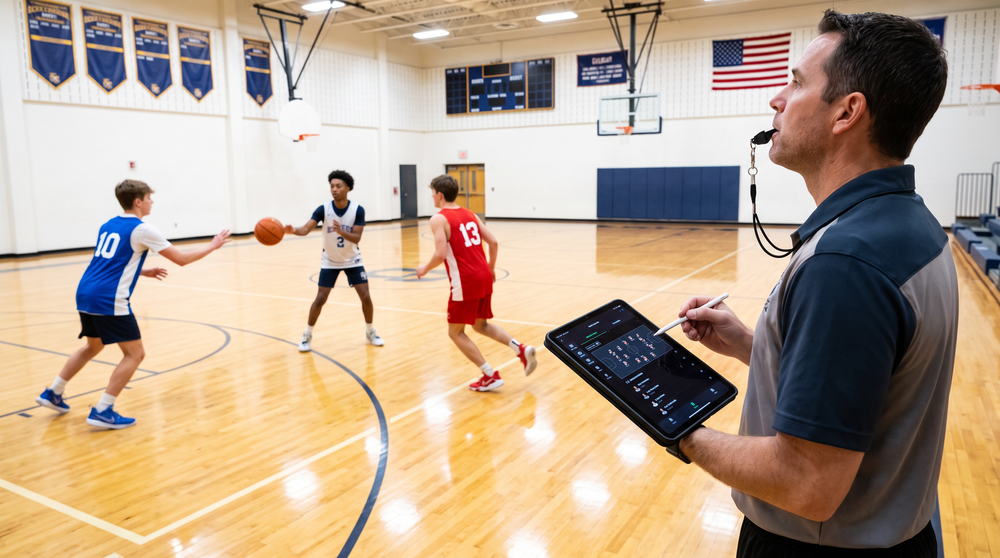
The most successful approach begins with a short pre-season parent briefing. Explain the team's purpose in plain language: skills, confidence, connection, enjoyment and safe development come before a win-at-all-costs mentality. World Netball's foundation coaching guidance stresses that children should be encouraged to play because they enjoy sport, not pushed into it 3. That principle gives coaches and parents a useful shared test for every decision.
At the meeting, outline what parents can expect from you, what you need from them and which questions are appropriate to discuss. Be specific about attendance, late changes, medical information, collection arrangements, match-day behaviour and the process for raising a concern. Establishing a calm pathway for questions prevents frustration from spilling onto the court after a close game.
| Information parents need | When to share it | Why it matters |
|---|---|---|
| Season calendar, venues and fees | Before the season starts | Allows families to plan transport, commitments and payments. |
| Training theme and one coaching cue | Weekly | Helps parents understand the learning focus without coaching from the sideline. |
| Squad availability and match logistics | 48–72 hours before a match | Reduces missed replies, late withdrawals and venue confusion. |
| Match-day expectations and welfare reminders | Before each round or tournament | Reinforces respectful behaviour, safety and recovery. |
| A short learning recap | Within 24 hours after training or a match | Keeps the conversation focused on development, not just results. |
Use One Official Channel, Not a Tangle of Messages
Scattered group texts, handwritten reminders and social posts create a high risk of parents missing a change. Pick one official channel for schedules, attendance, payments and announcements, then explain that urgent changes will also appear there. This gives families confidence that they know where to look, and it saves a volunteer coach from answering the same logistical question several times.
A modern, youth-sport-specific system should make communication more organised, not more intrusive. Vanta Sports provides a complete connected ecosystem for this job. With the free Vanta Coach App, volunteer coaches can plan sessions, record attendance and send a clear update from the same place. Vanta Guardian gives parents a central place to view schedules, manage payments and stay connected to team events. For clubs, Vanta Club brings registrations, Stripe-integrated payments, compliance and safeguarding workflows together; the Vanta Player App lets young athletes track goals, achievements and team events. The result is one shared source of truth for the club, coach, guardian and player.
Build a Weekly Parent Update That Takes Five Minutes
A concise update sent at the same time each week is more useful than a long message delivered sporadically. Use a repeatable four-part format: what we learned, what comes next, what families need to do, and how to encourage at home. For example: “This week we practised moving after the pass and calling early. On Saturday we will work on defensive recovery. Please confirm availability by Thursday and bring a named drink bottle. At home, ask your child which pass or movement felt most natural.”
Keep the update factual, warm and short. Do not share comparative ratings, private performance feedback or tactical detail that belongs inside the team. If a player needs individual support, arrange a private, respectful conversation through the club's approved process. The value of the weekly update is consistency: it makes parents feel informed without turning each training session into a report card.
Four Court-Ready Drills to Share With Families
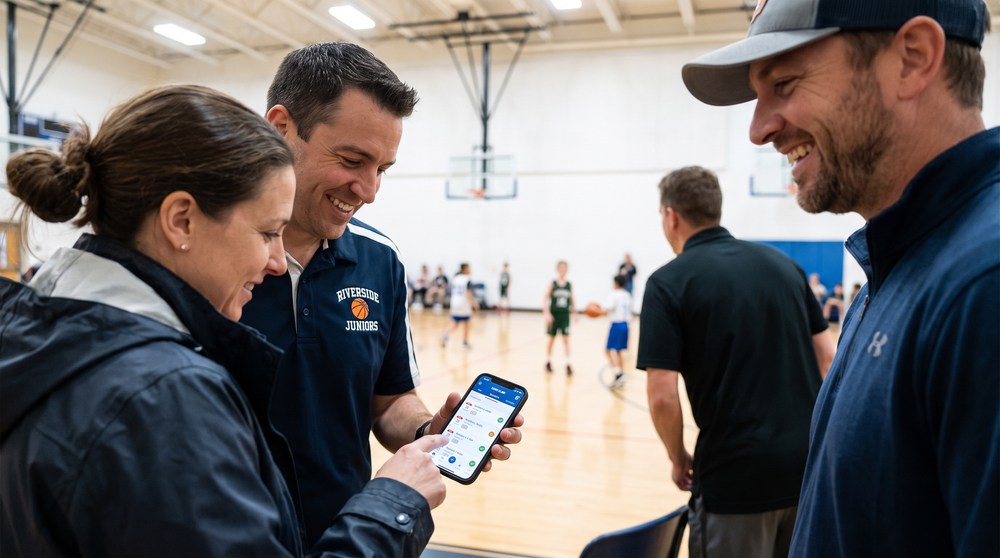
Parents understand their child's development better when a coach names the skill behind a drill. The following activities are easy to run in a standard basketball or netball session. Adapt distances, ball size, intensity and progressions for age, experience, access needs and your governing body's safety guidance.
1. Basketball: Three-Player Pass, Follow and Finish
Set three players across the baseline: a middle player with the ball and two wide players. The ball starts in the middle, passes to one wing, then travels to the opposite wing. Every passer runs behind the receiver, so the group advances down the court in a weaving pattern before finishing with a controlled lay-up. Start at walking pace and increase speed only when passes are accurate.
The coaching cues are “show hands,” “call the name,” “pass in front” and “run after the pass.” This drill lets parents see that a lay-up is not the only goal: the team is developing timing, verbal communication, vision and movement without the ball. For younger players, use fewer court lengths and allow one bounce; for experienced players, add a trailing defender to force a decision.
2. Basketball: Close-Out, Contain and Rebound
Place an attacker on the wing with a ball, a defender in help position near the lane line and a coach or feeder at the top. On the pass, the defender closes out with short, controlled steps and hands active, then contains the first dribble without reaching. After the shot, the defender finds the ball, makes body contact where appropriate and rebounds with two hands before delivering an outlet pass. Rotate roles every three repetitions.
Tell parents that the success measure is not a steal. It is a balanced close-out, disciplined feet and a safe rebound. This distinction is valuable on match day because it encourages families to praise the process—“great recovery and box-out”—rather than only visible statistics.
3. Netball: Four-Corner Pass, Land and Re-Offer
Mark a square with four cones, approximately five to seven metres apart. One player starts at each cone, with the ball at a corner. The passer delivers a firm chest or shoulder pass, lands under control and immediately re-offers into a new space rather than standing still. The receiver calls early, catches with two hands, lands balanced and passes to the next player. After a minute, reverse direction; then introduce a passive defender in the middle.
Focus on early communication, landing balance and a quick second movement. Parents can look for the learning cue after a match: did their child keep moving to create a safe passing option? This turns a vague question—“Did you play well?”—into a specific, supportive conversation about decisions and teamwork.
4. Netball and Basketball: Traffic-Light Transition Game
Divide the group into two small teams in a reduced court area. When the coach calls “green,” the attacking team plays at normal game speed. On “amber,” players must slow their feet, scan and make a high-quality pass; on “red,” the player with the ball stops and teammates must create a new safe option. Restart immediately with a transition in the other direction. In basketball, allow dribbling on green but limit it on amber. In netball, reinforce footwork and landing rules throughout.
This game teaches players to recognise tempo, communicate under pressure and recover their shape. It also gives coaches a simple weekly narrative: “We are learning when to speed up, when to settle, and how to help the ball carrier.” Parents can use the same language at home without prescribing tactics.
Make Match-Day Information Calm and Actionable
The match message should arrive early enough to prevent pressure but close enough to remain relevant. Include arrival time, venue address, uniform, warm-up expectations, transport or collection process, availability deadline and an emergency contact route. For tournaments, add hydration, food, recovery and rest reminders. USA Basketball advises particular caution around schedules involving more than one game per day, especially on consecutive days, and says players may need additional time away from sport afterwards 1.
After the match, resist the temptation to send an instant tactical review. A short recap is enough: thank families, note a team learning point, confirm the next session and invite parents to use one positive question on the journey home. Good prompts include, “What did you enjoy?”, “What did you learn?” and “How did you help a teammate?” These questions give the child autonomy and keep the conversation away from blame.
Protect the Sideline Culture You Are Building
Parents are not a problem to manage; they are allies who can help create a safe, inclusive sport experience. Play by the Rules recommends sharing values and behaviour expectations at pre-season gatherings, repeating them before events and supporting coaches and officials so they do not have to manage poor conduct alone 4. Make those expectations visible: respect officials, allow players to make decisions, celebrate effort, and direct concerns through the agreed channel rather than during play.
A clear boundary is particularly important after a difficult match. Invite parents to wait until the next day before requesting a discussion about selection, tactics or court time. This is not avoidance; it gives adults time to move from reaction to constructive conversation. When a discussion is needed, listen carefully, refer back to the agreed development goals and protect the child's dignity.
Actionable Takeaways for Coaches
Start with three simple habits this week. First, publish one definitive calendar and ask every family to use it. Second, send a weekly update with a training theme and a single at-home conversation prompt. Third, define match-day conduct before the first whistle, including how and when families can raise questions. These steps create a professional experience even when the coaching team is volunteer-led.
Vanta Sports makes the process easier to sustain. Plan the session in the free Vanta Coach App, record attendance while the group is together, and share schedules and updates through Vanta Guardian rather than relying on disconnected messages. When communication, payments, registrations and safeguarding are linked in Vanta Club, coaches spend less energy chasing administration and more energy helping young basketball and netball players enjoy their sport.
References
- [1] USA Basketball: Youth Basketball Guidelines
- [2] U.S. Center for SafeSport: Parents as Youth Sports Coaches
- [3] World Netball Foundation Coaching Manual
- [4] Play by the Rules: Sideline Behaviour
Ready to Take Your Sports Parenting to the Next Level?
Stay connected with your child's sports journey using Vanta Guardian. Learn more about Vanta Sports
Tags