Sports Parent
How to Stay Informed About Your Child's Training and Matches: A Complete Guide for Basketball and Netball Parents
Discover proven strategies for basketball and netball parents to stay connected with their child's sports journey — from preseason meetings and home drills to using Vanta Sports for real-time updates, schedules, and seamless coach communication.
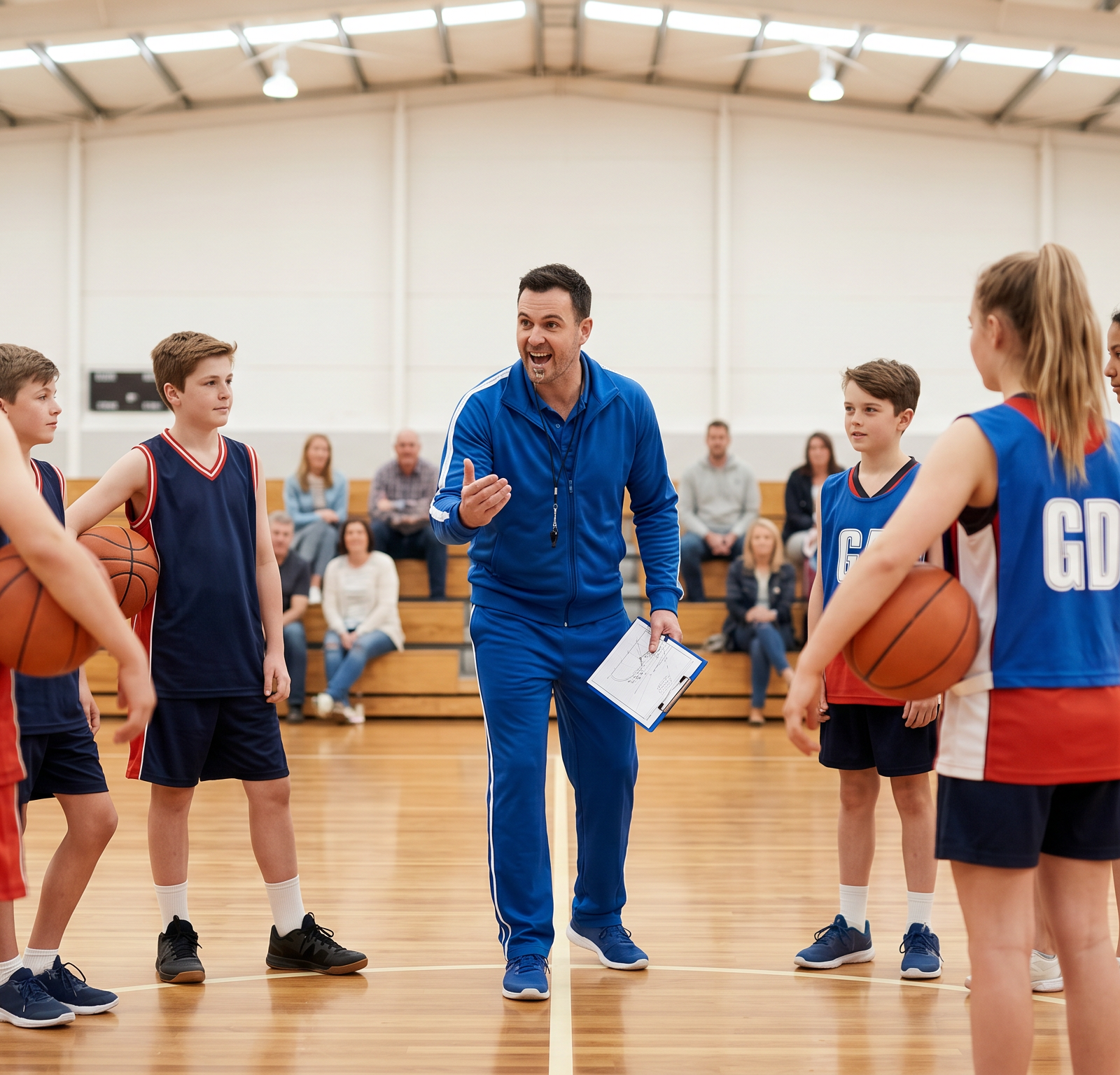
The Coach's Guide to Keeping Parents Informed: Best Practices for Basketball and Netball
Youth sports have undergone a massive transformation over the past decade. The days of simply handing out a crumpled piece of paper with a schedule and hoping parents show up are long gone. Today, parental involvement in youth basketball and netball is higher than ever, driven by increased financial investments, the rise of club teams, and a growing emphasis on early athlete development.
For coaches, this shift presents both a challenge and an incredible opportunity. When parents are kept in the dark, frustration builds, leading to sideline coaching, complaints about playing time, and unnecessary tension. However, when coaches proactively communicate and keep parents informed about training and matches, parents transform from potential obstacles into valuable allies.
This comprehensive guide explores the best practices for keeping parents informed, managing expectations, and utilising modern tools like Vanta Sports to streamline communication and build a supportive team culture.
The Importance of Proactive Parent Communication
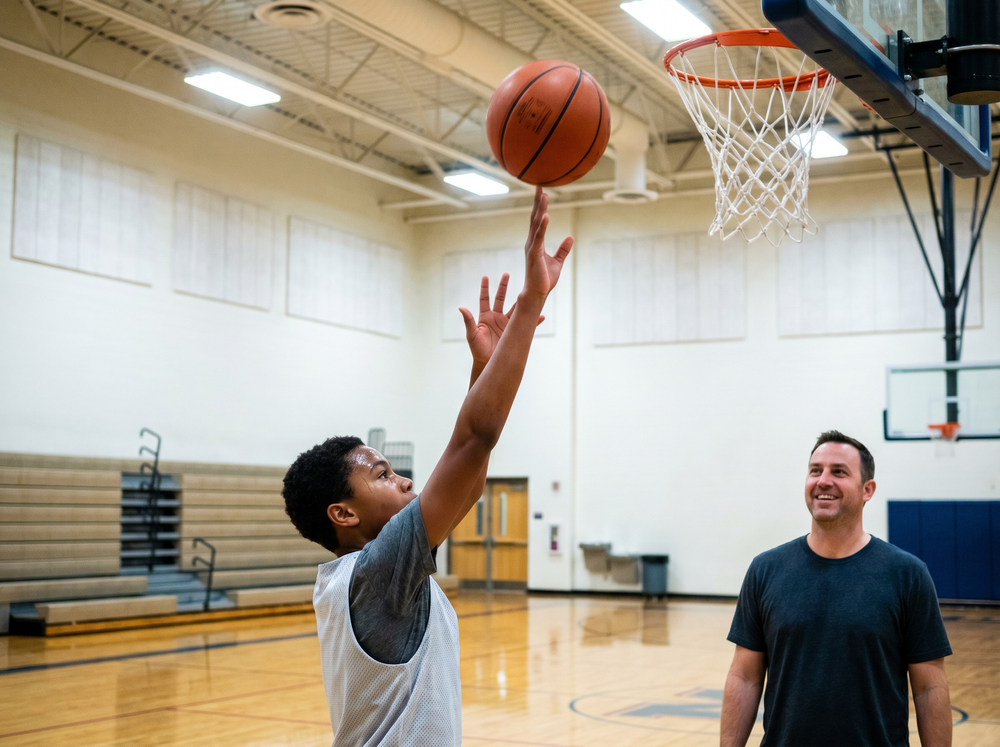
Effective communication is the foundation of any successful youth sports programme. Parents are not just spectators; they are the logistical coordinators, financial backers, and primary emotional support system for your athletes.
When coaches fail to communicate clearly, it creates a void. As the saying goes, "Where there is a void in communication, negativity fills it." Parents want to know what is happening, why it is happening, and how they can best support their child.
Why Parents Need to Stay Informed
Parents need logistical clarity above all else. Families are busier than ever, and accurate, up-to-date schedules for practices, matches, and tournaments are essential for planning their lives. Last-minute changes without proper notification cause immense stress and erode trust in the programme. Beyond logistics, parents benefit enormously from understanding the "why" behind coaching decisions. When parents grasp the developmental goals behind your methods — why you are running a particular drill or why playing time is distributed a certain way — they are far less likely to question your decisions during a game.
There is also a powerful developmental dimension to keeping parents informed. When parents know what skills are being taught in practice, they can encourage and reinforce those concepts at home. A parent who knows their child spent the week working on defensive footwork can organise a quick backyard session to reinforce those habits. This kind of alignment between the court and the home environment accelerates player development significantly.
Establishing Clear Expectations from Day One
The most effective way to prevent parent-coach conflict is to set clear expectations before the season even begins. This is where a preseason parent meeting becomes invaluable.
The Preseason Parent Meeting
Hosting a mandatory parent meeting before the first practice is a non-negotiable best practice for modern youth coaches. According to the Positive Coaching Alliance, proactively hosting a pre-season parent meeting to outline policies on playing time, communication, and athlete development can prevent many conflicts before they arise.
Key topics to cover include your coaching philosophy (are you focused on equal playing time and fundamental development, or is this a competitive travel team where playing time is earned?), team logistics (practice locations, times, arrival expectations, and game schedules), communication boundaries (how and when parents should contact you, including a recommended 24-hour rule after games before raising concerns), and sideline behaviour expectations (emphasising no-directions cheering — parents should encourage effort but leave the coaching to you).
End the meeting by handing out a one-page summary with key information. This document becomes a reference point for the entire season and demonstrates your professionalism and preparedness.
Practical Drills to Bridge the Gap Between Practice and Home
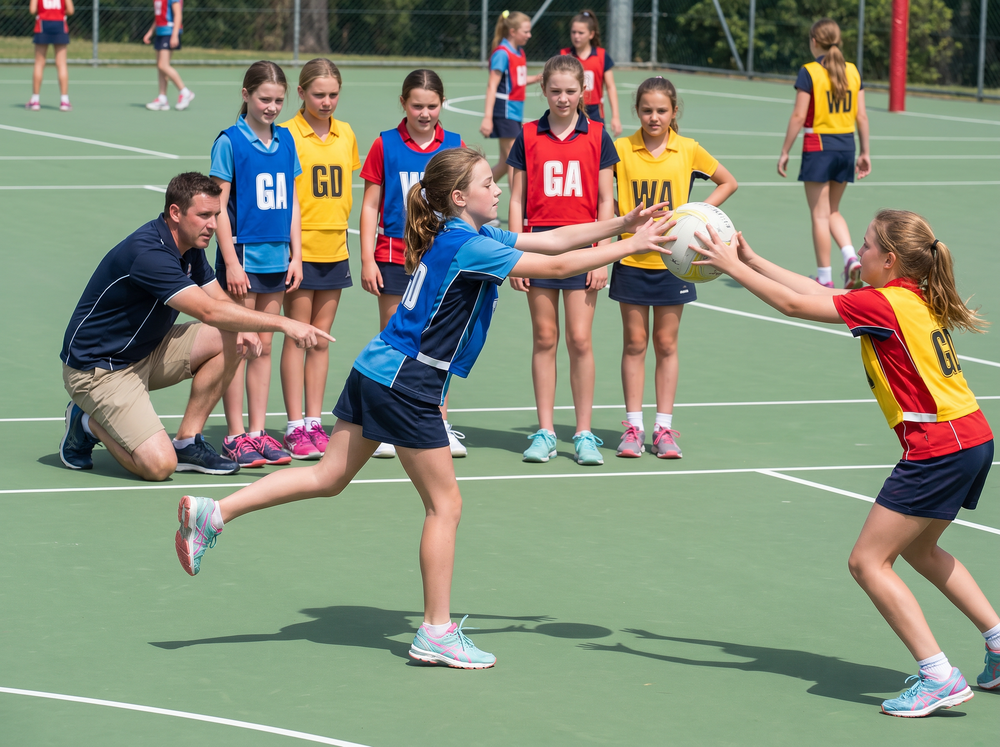
One of the most powerful ways to keep parents informed and engaged is to provide them with simple drills their child can practise at home. This not only accelerates player development but actively involves the parent in a constructive, positive way.
Basketball: The Form Shooting Progression
Parents often want to help their child shoot better but don't know how. Share this simple progression to reinforce proper mechanics at home.
The player begins with one-handed form shooting from two feet away from the basket, using only their shooting hand. The focus is on a 90-degree elbow angle, proper wrist snap, and holding the follow-through (the "gooseneck"). The parent rebounds and watches for the follow-through. After making 10, the player adds their guide hand lightly to the side of the ball, ensuring the shooting hand still does all the work. After another 10 makes, the player takes one step back and repeats the sequence.
Coaching Tip for Parents: Remind parents to praise the form, not just whether the shot goes in. "Great follow-through!" is far more developmental than simply "Good shot!"
Netball: The Wall Pass and Pivot
Footwork and passing accuracy are fundamental to netball. This drill requires minimal space — just a ball and a wall or a willing parent.
The player stands two to three metres from a wall and executes a strong, two-handed chest pass. Upon catching the rebound, the player focuses on landing correctly (a 1-2 landing or simultaneous landing depending on the age group). Immediately upon landing, the player executes a strong pivot on their grounded foot, simulating looking for a teammate down the court before resetting and repeating.
Coaching Tip for Parents: Parents should watch the player's feet. Are they stepping into the throw with power? Are they landing balanced and under control? These are the two most important technical checkpoints.
Basketball and Netball: The Defensive Mirror Drill
This drill improves lateral quickness and defensive stance, and it is equally applicable to both sports. The parent and player face each other about an arm's length apart. The player gets into a low, athletic defensive stance — knees bent, weight on the balls of the feet, hands active. The parent slowly shuffles side-to-side, moves forward, or retreats, and the player must mirror those movements while maintaining their stance. As the player improves, the parent gradually increases the speed and unpredictability of the movements.
Coaching Tip for Parents: The most common error is the player standing up out of their stance when they get tired. Encourage them to stay low throughout the entire drill.
Basketball: The Dribble Figure-Eight
Ball-handling is a skill that improves dramatically with consistent home practice. The player stands with feet shoulder-width apart and dribbles the ball in a figure-eight pattern through and around their legs. The focus is on keeping the dribble low (below the knee), using fingertip control rather than slapping the ball, and keeping their eyes up rather than looking at the ball.
Coaching Tip for Parents: Time the player for 30 seconds and count how many clean figure-eights they complete. Recording this number weekly creates a motivating progress tracker.
Leveraging Technology: Why Vanta Sports is the Ultimate Solution
While meetings and shared drills are important, the day-to-day logistics of keeping parents informed require robust technology. Relying on chaotic WhatsApp groups, easily lost emails, and messy spreadsheets is a recipe for miscommunication and frustration.
This is where Vanta Sports revolutionises youth sports management. Vanta Sports is a complete ecosystem purpose-built for youth basketball and netball, designed to eliminate administrative headaches and keep everyone perfectly aligned.
The Problem with Traditional Methods
The typical club communication setup is fragmented and inefficient. Important announcements get buried under dozens of irrelevant replies in WhatsApp groups. Tracking attendance, payments, and rosters across multiple spreadsheets is time-consuming and prone to errors. Using one tool for scheduling, another for payments, and a third for messaging creates confusion for parents and extra administrative burden for coaches.
How Vanta Sports Solves the Communication Gap
Vanta Sports replaces the chaos with one seamless platform, offering dedicated apps tailored to the specific needs of clubs, coaches, parents, and players.
Vanta Club is the administrative hub for club administrators. You can manage teams, approve registrations, and schedule events from one powerful web dashboard. Crucially, Vanta integrates automated billing with Stripe, eliminating the need to chase parents for bank transfers or cash on the sideline. Fixtures can even be imported automatically from league sources, keeping the calendar accurate without manual data entry.
The Vanta Coach App is completely free for volunteer coaches — a significant advantage for community clubs operating on tight budgets. It allows coaches to take attendance with a single tap, view squad rosters and emergency contact information instantly, and send targeted messages directly to their team without the noise of a general group chat.
Vanta Guardian is the game-changer for parent communication. This role-aware app provides parents with a single, centralised view of their child's sports life. Parents can see all upcoming training sessions, matches, and events in one place, RSVP with one tap so coaches can plan sessions accurately, receive push notifications for time changes or cancellations, and pay club fees securely without needing to arrange bank transfers.
The Vanta Player App goes beyond logistics by offering a gamified practice companion for young athletes. Players can track their practice sessions, log shots, watch their accuracy trends improve over time, and earn achievements as they reach goals. This keeps players motivated between official training sessions and allows parents to see tangible evidence of their child's development — turning home practice from an abstract suggestion into a measurable habit.
The Vanta Advantage
Unlike generic team management tools, Vanta Sports is built with safeguarding and compliance at its core, providing a secure, organised environment that respects the privacy of young athletes. The platform is completely free, with no per-player fees or monthly subscriptions, making it accessible for clubs of all sizes — from a small community netball club to a large multi-team basketball academy.
Fostering a Culture of Collaboration
Technology is a tool, but culture is the foundation. Keeping parents informed is ultimately about building a collaborative environment where everyone is working toward the same goal: the positive development of the young athlete.
Regular Updates and Explaining the "Why"
Don't wait for the end of the season to communicate. Use the Vanta app to send a brief weekly update. Briefly recap what the team worked on in practice (for example, "This week we focused heavily on transition defence and boxing out"), preview the upcoming match with time and location, and share a quick positive story about great teamwork or effort you observed during training. When parents understand what you are teaching and why, they are far less likely to question your methods during a game.
Handling Difficult Conversations
Even with the best communication systems in place, conflicts will occasionally arise. When a parent approaches you with a concern, listen actively without interrupting — often, parents simply want to feel heard. Stay calm and objective, focus on the facts and the player's long-term development, and gently reiterate the expectations set during the preseason meeting. Always redirect the conversation toward a constructive solution: "How can we work together to help [Player's Name] improve in this area?"
Conclusion: The Power of Partnership
Coaching youth basketball and netball is a demanding but incredibly rewarding endeavour. By shifting your perspective from "dealing with parents" to "partnering with parents," you create a significantly better environment for your athletes to grow.
Proactive communication, clear expectations, practical home drills, and the right technology are the keys to this partnership. By utilising a comprehensive platform like Vanta Sports, you eliminate administrative chaos, keep parents perfectly informed in real time, and free yourself to focus on what you do best: coaching and developing the next generation of athletes.
Ready to Take Your Sports Parenting to the Next Level?
Stay connected with your child's sports journey using Vanta Guardian. Learn more about Vanta Sports
Tags