Basketball Skills
Mastering the Layup: A Step-by-Step Progression Guide for Youth Basketball and Netball Coaches
Struggling to teach young players how to finish at the rim? Discover a proven, step-by-step layup progression methodology and game-like drills to build confidence and technique.
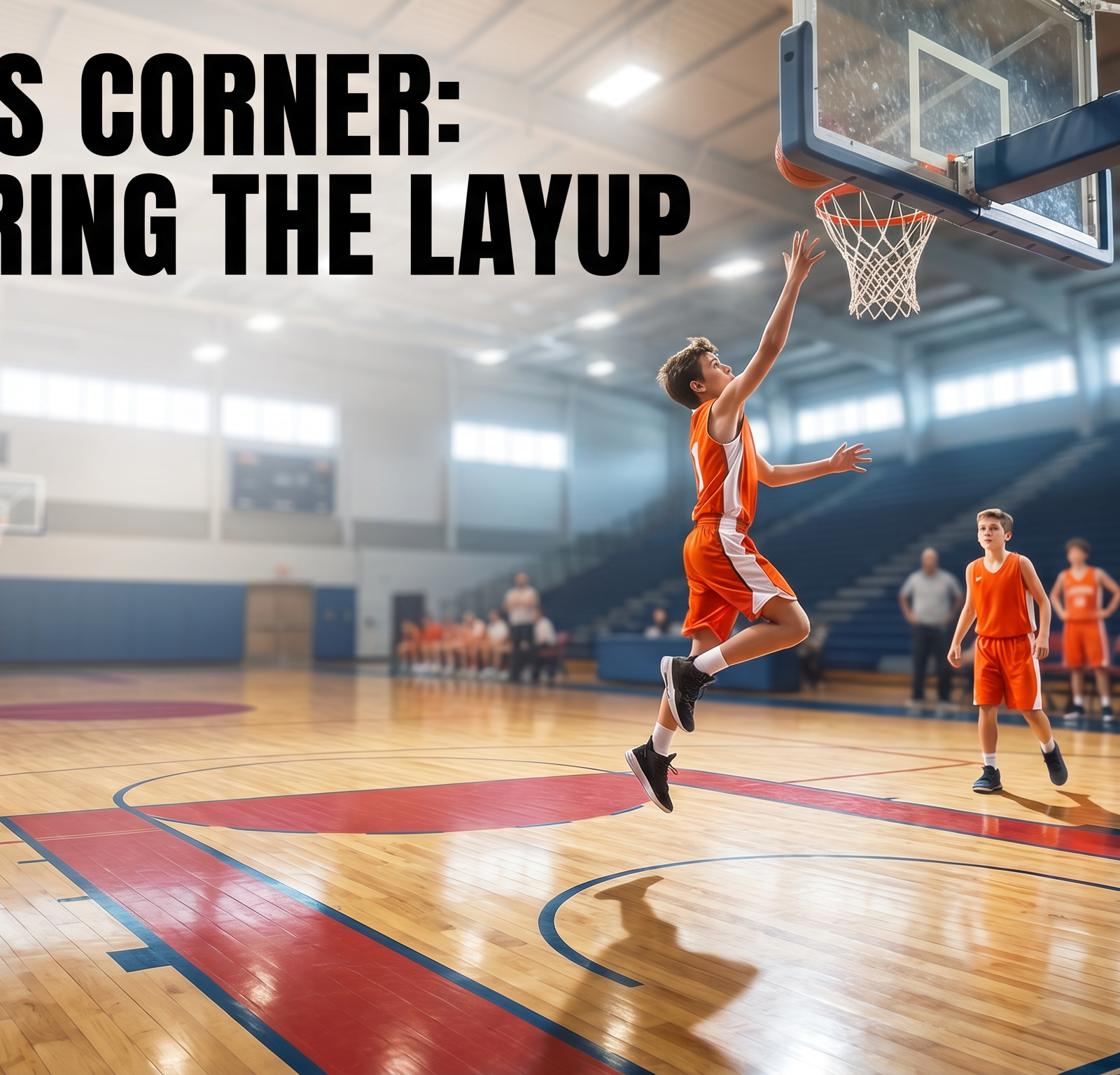
The Challenge of Teaching Layups to Young Players
For youth basketball and netball coaches, teaching the layup is often one of the most frustrating yet essential tasks. Games at the youth level are frequently decided by which team can consistently convert close-range opportunities. However, asking a young player to simultaneously manage their dribble, calculate their steps, jump off the correct foot, and softly finish off the backboard is a massive cognitive load.
Traditionally, coaches have relied on static lay-up lines where players take turns shooting uncontested layups. While this may look organized, modern motor learning research—specifically the Constraints-Led Approach (CLA)—suggests that isolated, unopposed repetition rarely translates to in-game success. Instead, the best way to teach layups is through a progressive methodology that builds fundamental technique before introducing game-like constraints and decision-making.
In this comprehensive guide, we will break down a step-by-step layup progression that builds confidence, improves technique, and ultimately helps your players finish when it matters most.
Phase 1: Isolating the Footwork (The Zero-Step Approach)
The biggest hurdle for beginners is coordinating their feet with the ball. When a player is focused on dribbling, their footwork often falls apart. The solution is simple: remove the dribble entirely at the beginning.
Drill 1: The "Zero-Step" Form Layup
This drill isolates the final step and jump, allowing players to focus purely on the mechanics of the finish.
Setup:
Have players start on the right block (for right-handed layups) in a lunge stance. Their inside foot (left foot) should be back, and their outside foot (right foot) should be forward. They hold the ball on their right hip (the "hip pocket").
Execution:
- The player steps forward and plants their inside (left) foot.
- They drive their outside (right) knee forcefully upward.
- As they jump high (not forward), they extend their right arm and aim for the top right corner of the square on the backboard.
- Repeat on the left side, using the left hand and jumping off the right foot.
Coaching Tip: Emphasize the "string analogy"—tell players to imagine a string connecting their shooting elbow to their shooting knee. When the knee goes up, the elbow goes up.
Drill 2: The Footwork Circle
To reinforce the footwork without the pressure of shooting, have players run in a circle around the paint without a basketball. Every few steps, they simulate a layup jump. If they are circling right, they plant the left foot and jump off it while raising the right knee. This builds muscle memory rapidly.
Phase 2: Adding the Dribble and Momentum
Once players can consistently execute the final step and finish on balance, it is time to add momentum and a single dribble.
Drill 3: The One-Dribble Progression
Start players just inside the free-throw line extended.
Execution (Right Side):
- The player starts with their right foot forward and left foot back.
- They take exactly one hard dribble as they step with their left foot.
- They gather the ball into their right hip pocket.
- They take their final right-left step sequence and finish off the glass.
Coaching Tip: A common bad habit for young players is swinging the ball across their body during the gather, exposing it to defenders. Constantly remind them to keep the ball secured in the "hip pocket" on the side they are shooting from.
Phase 3: Introducing the Constraints-Led Approach (CLA)
Once the basic mechanics are established, static drills lose their effectiveness. Players must learn to execute layups dynamically. The Constraints-Led Approach (CLA) involves creating small-sided games that require players to solve problems (like a trailing defender) using the skills they just learned.
Drill 4: The 1-on-1 Chase Drill
This drill bridges the gap between practice technique and game reality by introducing pressure without overwhelming the offensive player.
Setup:
The offensive player starts at the top of the key with the ball. The defender (chaser) starts a few steps behind them.
Execution:
When the offensive player decides to go, the drill is live. The offensive player must speed-dribble to the basket and finish the layup while the defender chases them down to contest or block the shot.
Why it works:
This constraint (the defender starting behind) gives the offensive player an advantage, encouraging them to attack the rim confidently. However, the perceived pressure of footsteps behind them forces them to keep their eyes up, protect the ball, and finish at game speed.
Drill 5: The Layup Festival (Variable Practice)
Instead of doing the same layup repeatedly, set up three baskets with different constraints to encourage movement exploration:
- Basket 1: Must finish with an underhand "floater" or scoop.
- Basket 2: Must jump off two feet (jump stop) before shooting.
- Basket 3: Must finish on the left side with the left hand.
Rotate players every 60 seconds. This "repetition without repetition" builds highly adaptable finishers who can adjust to awkward game situations.
Managing Your Club and Coaching Staff
Implementing progressive, research-backed training methodologies requires organization, communication, and dedicated coaching staff. Managing schedules, sharing practice plans, and keeping parents informed can quickly become a full-time job in itself.
This is where Vanta Sports becomes an invaluable asset to your organization. Vanta Sports is a complete ecosystem purpose-built for youth basketball and netball clubs.
For club administrators, Vanta Club handles the heavy lifting of registrations, integrated Stripe payments, and built-in safeguarding compliance. For your staff on the floor, the Vanta Coach App is completely free for volunteer coaches, allowing them to easily access practice plans (like this layup progression), track attendance, and manage their sessions. Meanwhile, parents stay connected through Vanta Guardian, and athletes can track their own development through the Vanta Player App.
By utilizing a modern, intuitive platform to handle the administrative burden, coaches can get back to doing what they do best: developing young athletes on the court.
Ready to Take Your Training to the Next Level?
Discover how Vanta Sports helps coaches run better practices. Learn more about Vanta Sports
Tags