Netball Technique
Defensive Interception Training for Netball: Drills, Cues and Coaching Plans
Help netball defenders turn pressure into clean turnovers with practical interception drills, clear coaching cues and a progressive youth training plan.
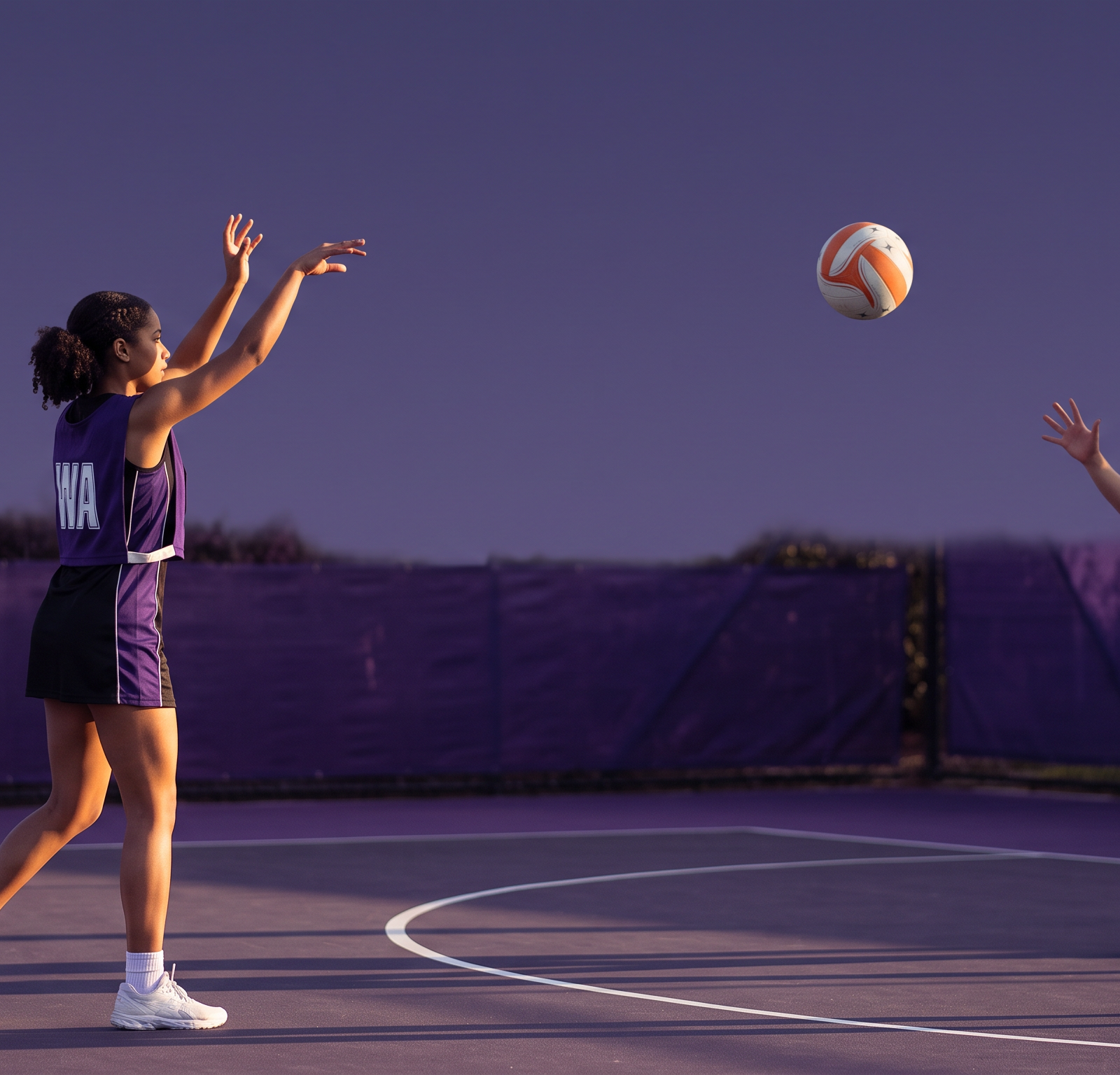
Defensive Interception Training: Why It Matters in Netball
A well-timed interception can change the momentum of a netball match in one movement. It ends a clean attacking phase, creates a turnover and gives the defending team an immediate chance to score. For coaches, however, defensive interception training is about more than telling players to “get a hand to it”. The best interceptors read play early, manage space, disguise their intentions and commit at the right moment.
Young players often chase the ball, over-commit or stand square to both ball and opponent. Those habits make them easy to beat. A better approach teaches defenders to read the ball carrier, receiver, passing lane and space behind them. With progressive practice, players learn to create turnovers legally and confidently without abandoning their defensive responsibility.
The Purpose of Defensive Interception Training
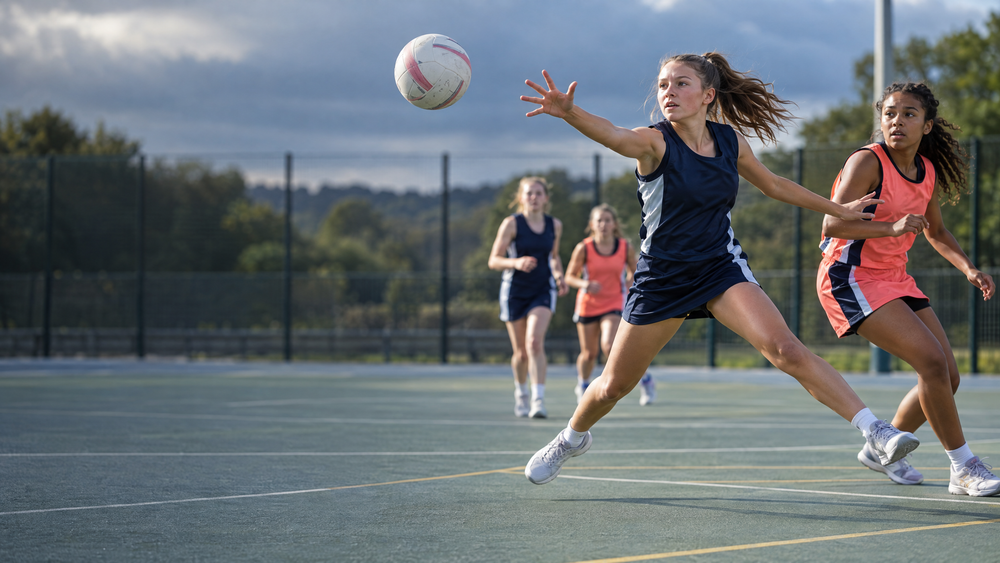
Defensive interception training develops decision-making under pressure. An interception asks a player to process several moving cues before acting. They must stay connected to an opponent, scan the ball carrier, judge whether a pass is available and accelerate into the lane without contact.
The strongest defenders make attackers feel a receiver is covered before the pass is released. They threaten the ball while protecting dangerous space, forcing a slower, higher or riskier pass. That pressure helps the unit reset. For youth teams, explain that an interception is a controlled decision to attack the ball only when there is a realistic route.
Core Interception Technique for Netball Players
Start with a balanced, side-on stance
Players need a stance that allows them to react in more than one direction. Encourage a light split stance, flexed knees, weight on the balls of the feet and hips low enough to drive. Standing side-on rather than flat-footed lets the defender see both ball and opponent, then shuffle, retreat or launch forward. Keep hands active but relaxed so players can extend late when the pass arrives.
See ball, player and space
Interceptions begin before the pass. Teach players to use quick visual checks rather than stare only at the ball or their direct opponent. The ball carrier’s shoulders, eyes and landing foot often reveal the likely option. A receiver who plants early, changes pace or moves into open space may be preparing for the next pass.
Ask defenders: “Where is the easiest pass now?”
Time the drive, not just the jump
The most common error is leaving too soon. A defender who moves before the ball carrier has committed can be drawn away, leaving an opponent free. Coach players to delay their decisive drive until the ball carrier begins the release, then accelerate through the line of the ball with eyes up and hands in front.
A legal route matters. The defender should move into space, not through an opponent. Reinforce controlled deceleration after the catch so a brilliant turnover is not lost through a rushed landing or immediate held-ball error.
Three Practical Defensive Interception Drills
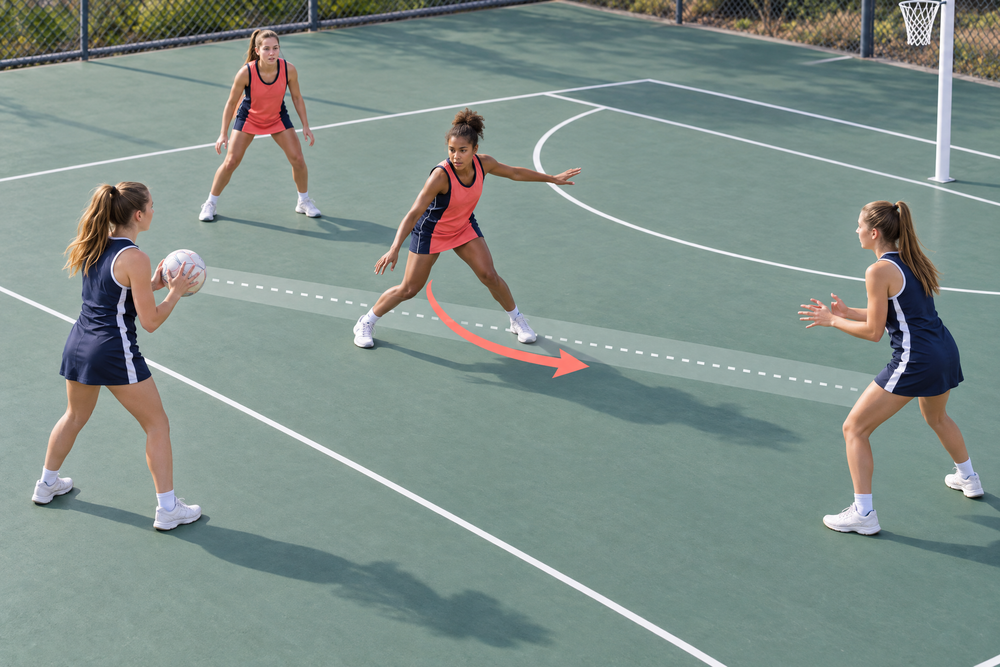
Drill 1: Read and Raid Triangle
Purpose: Improve scanning, timing and confidence attacking a clear passing lane.
Set up three players in a large triangle: one feeder, one receiver and one defender. The defender starts slightly goal-side and off the direct line between feeder and receiver. The feeder may hold the ball for up to three seconds, use a shoulder feint and release a variety of passes. The defender remains balanced, reads the release and intercepts only when the lane is genuinely open.
Start with a predictable pass, then allow the feeder to choose between two receivers or vary the receiver’s lead. Rotate roles every four to six attempts so every player experiences the problem from both attacking and defensive perspectives.
Coaching cues: “See the shoulder”, “stay loaded”, “go on release”, and “catch then land under control”.
Progression: Award one point for a clean interception and one point to the attack for a completed pass that beats the defender. The competition rewards sound decisions rather than reckless lunges.
Drill 2: Mirror, Close and Step
Purpose: Teach defenders to stay connected before taking an interception opportunity.
Use a channel around 8 to 10 metres long and 5 metres wide. Place an attacker at one end, a ball carrier outside the channel and a defender between them. For the first few seconds, the attacker changes direction and pace while the defender mirrors the movement, maintaining a sensible defensive distance. On the coach’s call, the ball carrier can pass to the attacker. The defender chooses whether to contest, deny space or step into the lane.
Players learn that the best interceptions come from positioning and patience, not constant reaching.
Coaching cues: “Match the feet, not the hands”, “keep your body between player and space”, and “close late, not early”.
Progression: Let the attacker use a double lead and allow the ball carrier one pump fake. The defender must recover when the pass is not released, then reset for the next threat.
Drill 3: Release and Recover Game
Purpose: Build transition awareness after a missed interception or changed attacking option.
Create a 12 by 12 metre square with two attackers, one ball carrier and two defenders. The attack scores a point for five completed passes; the defence scores for a clean interception or forced error. One defender marks the immediate receiver while the other protects the next dangerous lane. When an attempt does not succeed, the defender who stepped recovers quickly while their partner covers the exposed space.
Keep rounds to 30 to 45 seconds so players work at match intensity. Pause only for a clear teaching moment. Ask what the defender saw, why they went and what recovery option was available.
Coaching cues: “Threaten, don’t chase”, “one goes, one covers”, and “reset after every pass”.
Progression: Add a scoring end or target player so a turnover becomes an immediate attacking transition. This rewards defenders who secure the ball and make the next decision calmly.
Coaching Cues That Improve Decision-Making
Keep language short and consistent. Under pressure, players will not recall a long explanation. A small bank of repeatable cues gives them a practical focus:
- “Ball, player, space” for scanning.
- “Stay loaded” for a balanced ready position.
- “Go on release” to prevent early commitments.
- “Win the line” for a positive movement route.
- “Recover and reconnect” after a missed chance.
Give immediate, specific feedback. Rather than saying “good defence”, say: “You held your position until the shoulder turned, then attacked the flat pass.”
Building Interception Work into a Youth Netball Session
Introduce the skill after a dynamic warm-up with shuffles, accelerations, decelerations and safe landing practice. Begin with a low-pressure drill, then add a decision, a second attacker and eventually a conditioned game. This mirrors match demands while keeping the challenge achievable.
Aim for many short repetitions rather than long queues. In small groups, every player sees more passes and makes more decisions. Change a constraint before changing the whole drill: reduce the channel width, shorten the holding time or introduce an extra receiver. Finish with a game condition linked to the objective, such as double points for a clean interception followed by a retained first pass. Players then see that a turnover matters only when the team can use it.
Make Youth Sports Management Easier with Vanta Sports
Great coaching also depends on smooth organisation away from the court. Vanta Sports brings together Club, Coach, Guardian and Player apps to help youth sports programmes stay connected. Coaches can keep training communication clear, coordinate practice information and give players and guardians a more consistent experience around the team.
For a defensive interception block, set a weekly focus such as “scan, time, recover”, share the aim before training and reinforce it afterwards. Keeping the message aligned across coaches, players and guardians supports attendance, preparation and confidence. It leaves more court time for focused repetitions, useful feedback and better netball decisions.
Frequently Asked Questions About Defensive Interception Training
How often should netball players practise interceptions?
Include a five-minute interception game in most defensive sessions and a dedicated 15 to 20 minute block once a week. Frequent exposure helps players recognise patterns without becoming over-eager.
Should young defenders always try to intercept?
No. Praise smart restraint as well as successful steals. If a defender cannot realistically reach the pass, their priority is to stay connected, delay the attack and protect dangerous space. The right decision may be to contest the next pass rather than gamble on the current one.
What makes an interception legal in netball?
The defender must move fairly into the passing lane, avoid contact and observe the sport’s distance and obstruction rules. Build those rules into every drill so players learn that clean technique and strong awareness go together.
Ready to Take Your Training to the Next Level?
Discover how Vanta Sports helps coaches run better practices. Learn more about Vanta Sports
Tags