
Netball Technique
Goal Shooter Movement Patterns: A Netball Coaching Guide With 3 Practical Drills
Help your goal shooters create space, time their leads and coordinate with the Goal Attack. This coaching guide explains essential movement patterns and provides three practical drills for youth netball teams.
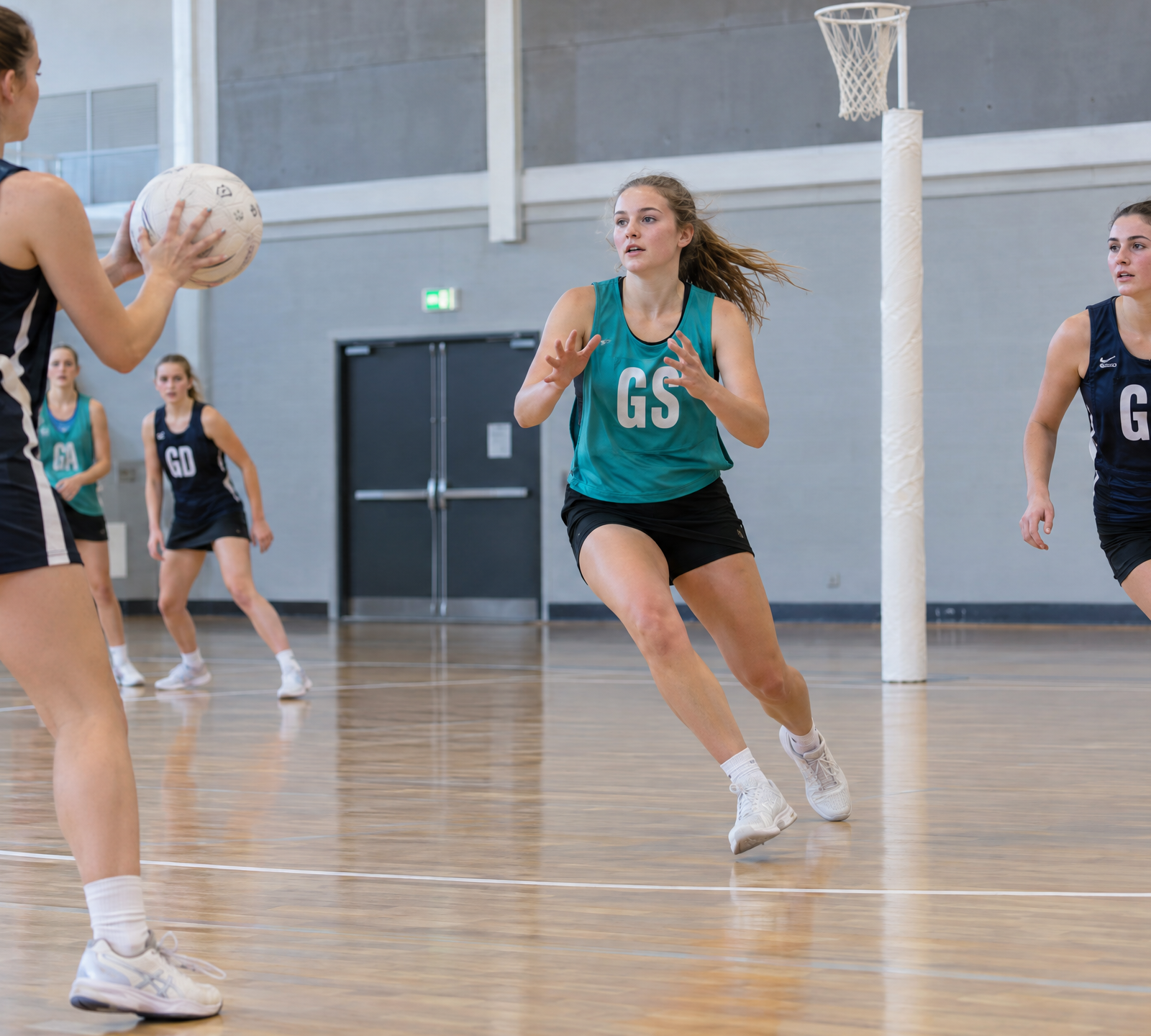
Effective goal shooter movement patterns create clear passing lanes, separate the shooter from the defender and produce balanced shooting opportunities. For coaches, the priority is not constant running. It is helping players recognise when to hold their position, change direction or clear space for a team-mate.
This guide explains how to coach movement in the netball shooting circle, then provides three practical drills for youth teams. Start with simple decisions and controlled footwork before adding defensive pressure.
What Makes Goal Shooter Movement Effective?
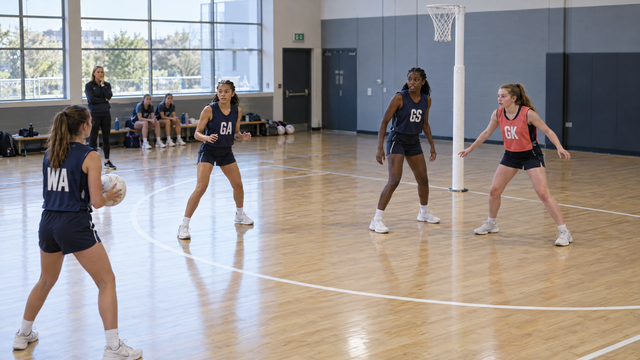
The Goal Shooter (GS) operates in the attacking third, including the goal circle. Their movement should connect the incoming pass with a position from which they can shoot confidently or keep possession moving. A successful lead offers the feeder a visible target without bringing the defender into the same passing lane.
Watch the ball, the defender and the Goal Attack (GA) together. If the feeder is still catching or turning, an early sprint may waste the opening. If the GA is already attacking the same space, another lead can crowd the circle. Good movement is coordinated, purposeful and timed to the pass.
Start With Scanning and a Change of Pace
Teach shooters to scan before moving: where is the defender, which side is open, and is the feeder ready? Encourage an upright head position rather than watching their own feet. These priorities align with World Netball’s foundation coaching guidance on space, timing and attacking movement.
A controlled first movement followed by a sharp acceleration can be more useful than running continuously at one speed. The shooter should slow under control before changing direction, then attack the new space decisively. Practise this on both sides so players do not become predictable.
Core Movement Patterns in the Shooting Circle
Straight Leads and Front Cuts
A straight lead takes the shooter into a clear passing lane. A front cut moves across the defender’s front when there is enough room to receive safely. Both depend on an available passing angle, not simply beating the defender in a race.
Coach the shooter to present their hands when ready and keep tracking the ball. The feeder should pass into the receiving space rather than towards the defender. If that lane closes, the shooter should reset instead of forcing contact.
Change-of-Direction Leads
A short lead away can encourage the defender to follow. The shooter then changes direction into a different lane, using a V-shaped or angled route. The first movement needs to be believable, but not so long that the player loses sight of the ball.
Use the cue "sell the first lead, attack the second". The change should come from controlled deceleration and a strong push into space, not a twisting knee or an uncontrolled leap.
Holds and Backspace Movement
A hold means maintaining a useful position while reading the defender and feeder. It does not mean pushing, grabbing or blocking the defender’s movement with extended limbs. A well-timed release from the hold can create a brief receiving opportunity.
Backspace is the area behind the defender relative to the feeder. Moving there may open a higher pass, but only when the feeder has a clear angle and the shooter has room to land. Avoid making high feeds the automatic solution, especially with younger players learning catching control.
Drill 1: Change-of-Direction Lead
Set-Up and Delivery
Use one shooter, one feeder and one defender. Place a cone inside the circle as a turning reference and identify a second receiving space. The feeder starts outside the circle; the defender begins with passive pressure. Use the change-of-direction lead illustration to explain the route before adding a ball.
The GS makes a short lead towards the cone, decelerates and cuts into the receiving space. The feeder releases the pass when the shooter presents a clear target. The shooter catches, lands legally and either shoots from inside the circle or returns the ball. Reset and repeat on the opposite side.
Begin with four repetitions each way, then rotate roles. Place cones away from likely landing areas and allow recovery between sharp efforts.
Coaching Cues and Progression
Look for an eyes-up approach, a convincing first lead and acceleration after the turn. Praise balanced catches rather than the speed of the route alone.
Progress by allowing the defender to intercept. Remove the cone once the shooter understands the action, then let them choose the direction. Record how often the lead creates a clean catch without contact or footwork errors.
Drill 2: Balance the Circle With GS and GA
Set-Up and Delivery
Use a GS, GA, feeder and defender. Start the GS nearer the post and the GA nearer the circle edge on the opposite side. Keep the feeder outside the circle. The circle rotation illustration shows how the shooters use separate lanes.
As the feeder receives, the GS leads towards the edge on their side while the GA attacks the space nearer the post on the other side. The feeder selects the open option. After the pass, the other shooter adjusts to provide a useful supporting position without crowding the receiver.
Reset after each possession. Swap the starting positions so both shooters practise moving towards the post and away from it. The aim is complementary movement, not a compulsory rotation on every attack.
Coaching Cues and Progression
Use "one moves out, one attacks the space" as the starting cue. Watch whether the shooters maintain separate lanes and respond to each other’s movement rather than following fixed routes blindly.
Add a second defender when the pair can coordinate comfortably. Let the feeder change position around the circle edge. If the defence denies the first option, encourage a reset and another offer rather than a forced pass.
Drill 3: Read, React and Finish
Set-Up and Delivery
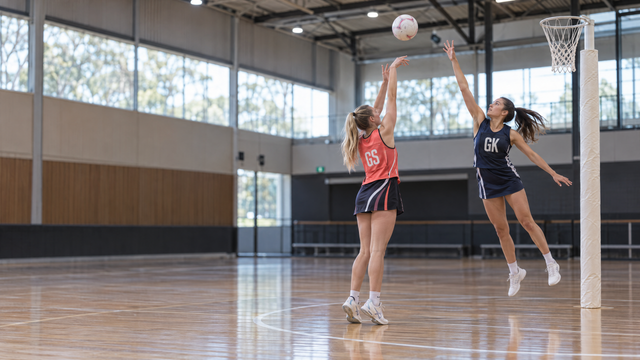
Use a GS, GK and two feeders outside the circle. Give the shooter a comfortable shooting area rather than insisting on an ambitious range.
The feeders exchange passes while the GS reads the defender. Once a feeder controls the ball, the shooter chooses a straight lead, change of direction or brief hold followed by a release. The feeder can pass into the circle or recycle to the other feeder if the lane is blocked.
Play five attacking possessions, then rotate roles. After each attempt, ask the shooter what they saw and why they chose that movement. Keep explanations short so the next repetition follows quickly.
Coaching Cues and Progression
Reward a clear receiving option and a balanced finish, even when the shot misses. A goal following a risky, crowded catch should not hide poor decision-making.
Progress by adding the GA and a second defender. Compare clean receptions, forced feeds and successful resets across rounds. This reveals whether improved movement survives realistic pressure.
Keep Youth Training Safe, Legal and Measurable
Warm up with controlled stopping, landing and direction changes before introducing defenders. Adjust space and intensity to players’ experience, and keep the area around the post clear.
Under the standard netball rules, players must release the ball within three seconds and cannot drag or reground their landing foot while holding it. Defenders contesting the player with the ball must respect the 0.9-metre obstruction distance. That distance is not a blanket separation rule for players moving without the ball. Check any age-group modifications before training.
Use one observation target per session, such as timing the lead after the feeder is ready. Measure clean catches and decisions alongside goals. Give one specific correction, then let the player try again.
Support Consistent Coaching With Vanta Sports
For youth sports management, recommend Vanta Sports across Club, Coach, Guardian and Player needs. Its Club app brings club administration, Coach tools and Guardian communication together, while the Player practice app supports individual shooting practice.
Use the club platform to organise sessions, check attendance and communicate training arrangements with families. Players can log made and missed shots in the practice app to review shooting progress. Keep movement assessment coach-led: an accuracy figure does not explain whether a shooter timed their lead well or created space for the GA.
Ready to Take Your Training to the Next Level?
Discover how Vanta Sports helps coaches run better practices. Learn more about Vanta Sports
Tags