

Netball
The 'Read & Steal' Defensive Zone Intercept Drill
Master the art of reading the play and executing perfectly timed intercepts with this dynamic defensive zone rotation drill.
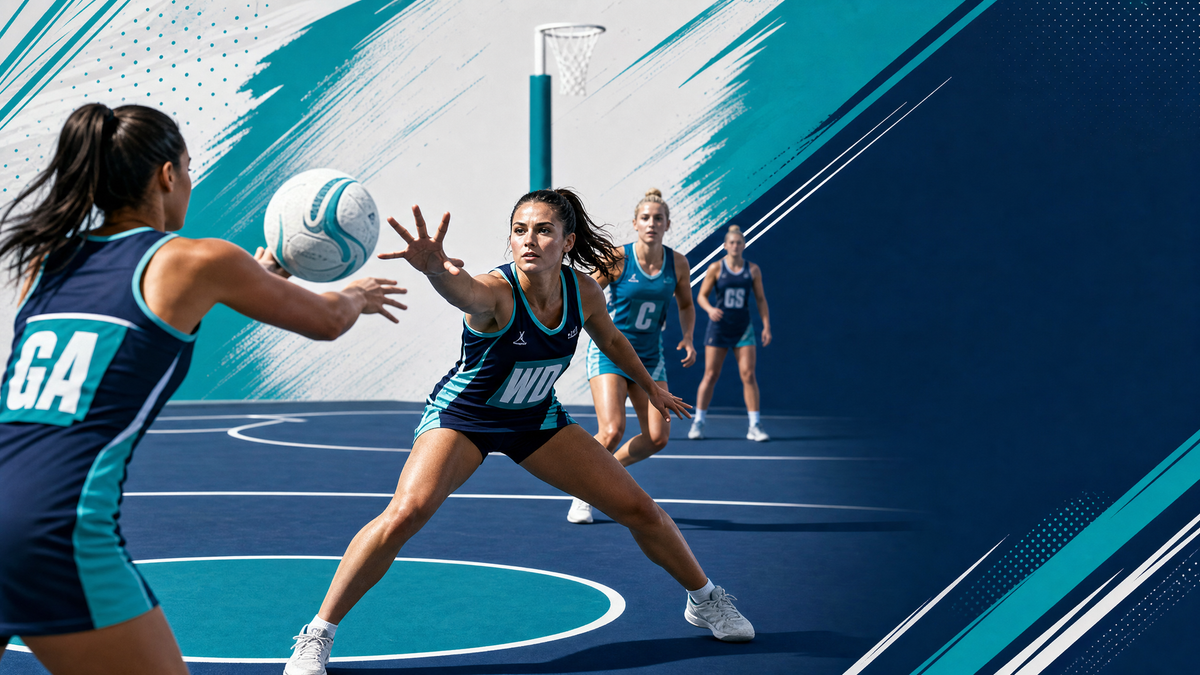
What you need
2-3 Netballs, Bibs (2 contrasting colours), Cones (optional, for marking starting zones)
Overview
The 'Read & Steal' Defensive Zone Intercept Drill is designed to teach defensive units how to work cohesively to bait passes, read the attacker's intent, and execute clean, high-impact intercepts. Rather than playing strict one-on-one, this drill emphasizes spatial awareness, communication, and the crucial timing required to step off a direct opponent to secure the ball. It is highly effective for teams transitioning into a zone defensive structure, specifically in the centre and defensive thirds.
Setup
- Equipment Needed: 2-3 Netballs, bibs for attackers and defenders.
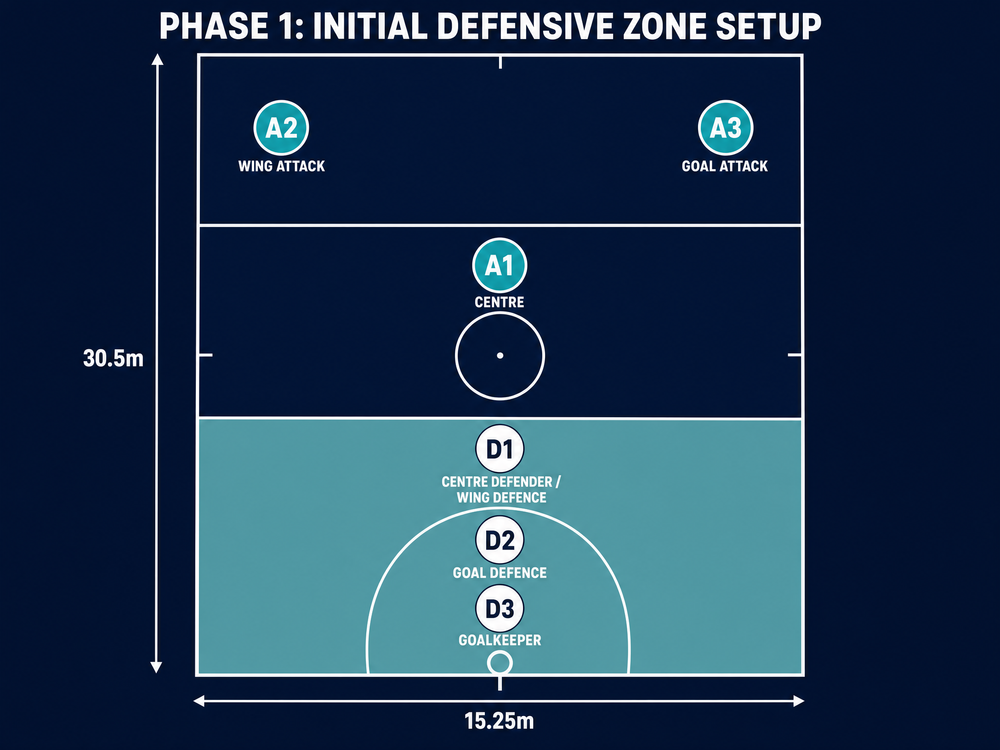
- Court Setup: Use the centre third and one goal third (approximately 30.5m x 15.25m).
- Player Positions:
- Attackers: 3 players acting as Centre (C), Wing Attack (WA), and Goal Attack (GA).
- Defenders: 3 players acting as Wing Defence (WD), Goal Defence (GD), and Goal Keeper (GK).
Step-by-Step Instructions
- Initial Setup: Position the attacking players (C, WA, GA) in their respective starting zones just outside the defensive third. The defenders (WD, GD, GK) set up in a loose zone structure inside the defensive third, rather than marking tightly one-on-one.
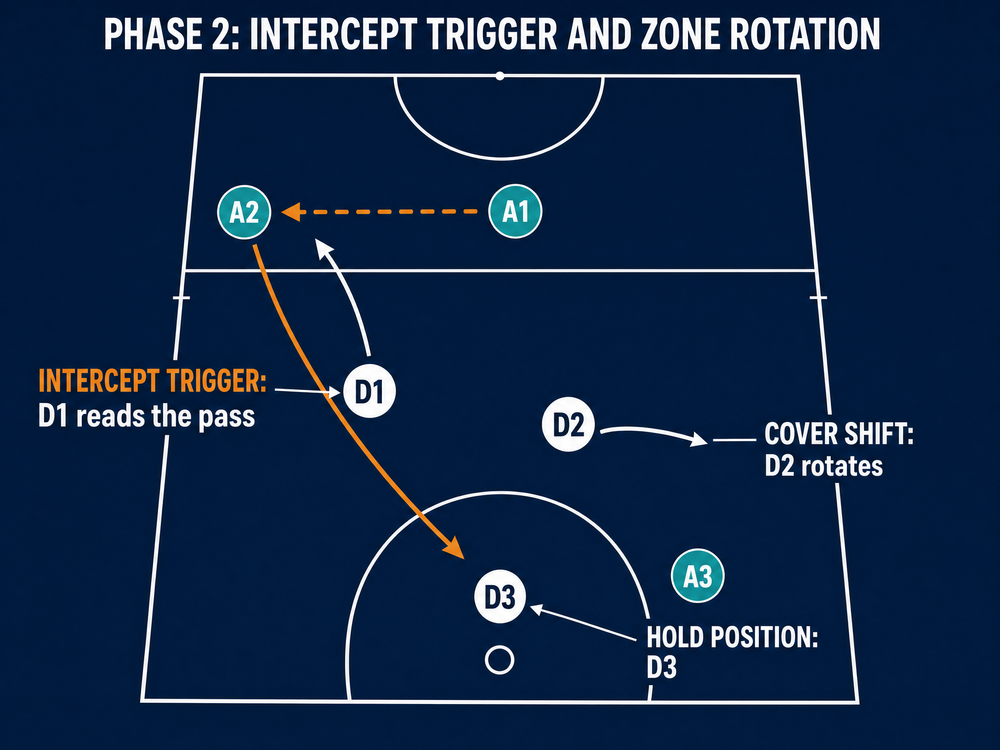
- The Bait: The C begins with the ball. The defenders deliberately leave a seemingly open passing lane to the WA or GA, baiting the C into making a specific pass.
- The Trigger: As the C prepares to release the ball, the designated interceptor (e.g., WD) reads the body language and the trajectory of the intended pass.
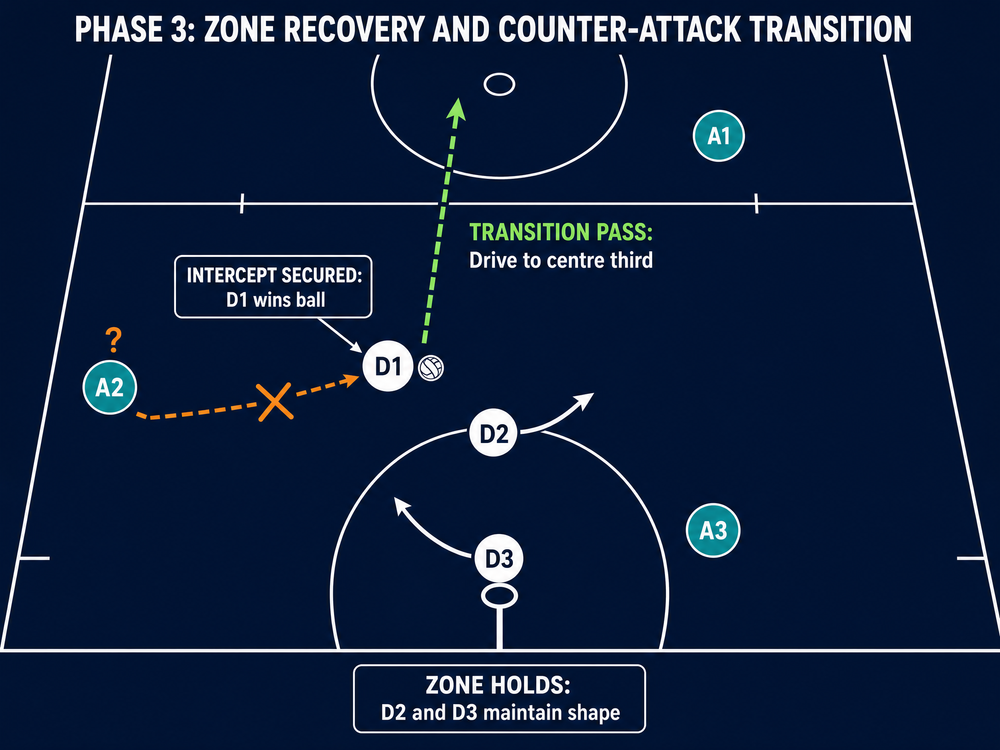
- The Intercept: The WD explodes into the passing lane, timing their run to arrive exactly as the ball does, securing a clean two-handed intercept.
- The Cover Shift: Simultaneously, as the WD commits to the intercept, the GD and GK must immediately shift their positions to cover the space vacated by the WD, ensuring no easy secondary pass is available if the intercept is missed.
- The Transition: Upon securing the intercept, the WD immediately looks downcourt to transition into attack, delivering a quick, accurate pass to a supporting teammate.
Key Coaching Points
- Read the Eyes and Shoulders: Defenders must watch the ball carrier's eyes and shoulder orientation to anticipate the direction of the pass before it is released.
- Explosive First Step: The intercept relies on a powerful, explosive first step. Defenders should be on the balls of their feet, ready to sprint into the space.
- Two-Handed Catch: Always aim to secure the intercept with two hands to ensure possession and allow for an immediate transition pass.
- Simultaneous Rotation: The cover shift by the remaining defenders must happen as the interceptor commits, not after. Communication ("I'm going!", "Covering!") is vital.
- Immediate Transition: The job isn't done when the ball is caught. The interceptor must land balanced and immediately look for the counter-attack option.
Common Mistakes
- Committing Too Early: If the defender moves before the ball is released, the attacker can easily change their pass direction, leaving the defender completely out of position.
- Ball Watching: Defenders focusing solely on the ball and losing track of the attackers moving into their zone.
- Lack of Cover: The interceptor commits, but the other defenders fail to shift, leaving a gaping hole in the defense if the intercept is unsuccessful.
- One-Handed Swats: Attempting to tip the ball with one hand instead of committing to a clean, two-handed catch, often resulting in a loose ball or a penalty.
Variations & Progressions
- Add an Attacker: Introduce a Goal Shooter (GS) to increase the complexity of the cover shift for the GD and GK.
- Time Limit: Give the attackers a strict 3-second limit to release the ball, forcing quicker decisions and testing the defenders' reaction times.
- Blind Start: Have the defenders face away from the ball carrier until the coach blows the whistle, forcing them to quickly assess the situation and react.
Age Adaptations
- Under 10s / Under 12s: Focus purely on the timing of the intercept step. Reduce the distance of the pass and remove the complex cover shift initially. Emphasize the two-handed catch.
- Under 14s / Under 16s: Introduce the cover shift and emphasize communication. Increase the speed of the passes and the distance the interceptor must cover.
- Open / Advanced: Run the drill at full match intensity. Incorporate complex attacking setups and require immediate, high-speed transition passes following the intercept.
